

Dog
Unleashing the Charismatic Charm of the Beethoven Dog Type – A Majestic Canine Companion

Apr
The term beethoven dog type sparks images of a large, lovable, and expressive breed known for their distinctive appearance and charming personality. This breed captures the hearts of many pet lovers with their friendly demeanor and striking features, making them a popular choice for families and individuals alike. Whether you’re considering adopting this unique breed or simply curious about its traits, understanding what truly makes the “beethoven dog type” special is essential to forming a meaningful connection with this majestic canine.
Who is the Beethoven Dog Type – Discovering the Breed’s Roots and Characteristics

The beethoven dog type refers to a specific breed known for its grand stature, playful personality, and analytical intelligence. Often mistaken for or associated with the St. Bernard, the “beethoven dog type” embodies a combination of grandeur, gentle nature, and an old-world charm that makes them stand out from other large breeds.
This breed’s roots trace back to the Alpine regions of Europe, where their ancestors were used as rescue dogs, guard dogs, and companions for mountain travelers. Their history is intertwined with stories of bravery and loyalty, which continues to define their temperament today. Their physical appearance — large, robust, with a distinctive facial expression — makes them instantly recognizable and endearing.
The beethoven dog type typically exhibits a calm yet alert demeanor. They are immensely loyal to their families, often forming strong bonds with children and other pets. However, due to their imposing size, they require appropriate training and socialization from an early age to ensure well-behaved and confident adult dogs. Understanding their history and characteristics provides deeper appreciation for this remarkable breed.
How to Welcome and Properly Care for the Beethoven Dog Type – Essential Training and Maintenance Tips
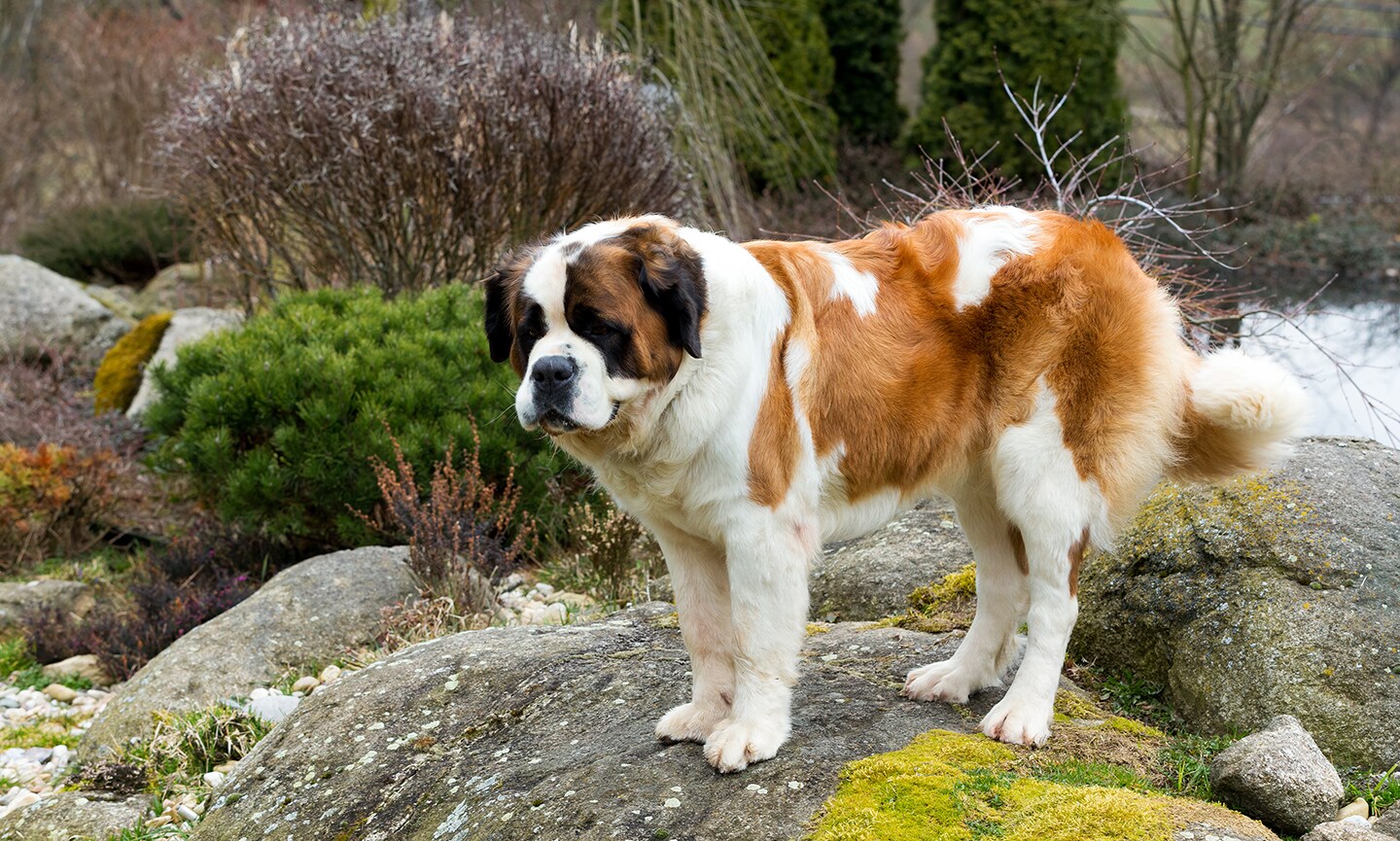
Integrating the beethoven dog type into your household requires a thoughtful approach to their unique needs. Proper care involves understanding their physical and emotional requirements, training routines, and health needs to ensure they thrive as loving companions.
Developing a positive, consistent training regimen is crucial for this breed’s socialization and obedience. They are intelligent and eager to please, but their size and strength necessitate early and firm leadership. Utilizing gentle but firm commands, alongside rewarding good behavior, fosters confidence and respect.
Nutrition and exercise are also vital components of caring for the beethoven dog type. Due to their large size, they require high-quality, well-balanced diets formulated for large breeds, along with regular moderate exercise to prevent obesity and maintain joint health. Grooming routines should include brushing their dense coat, ear cleaning, and routine health checks. Creating a stable and nurturing environment helps this breed flourish, making them happier and healthier members of the family.
The Pros and Cons of Choosing a Beethoven Dog Type as Your Pet – An Honest Perspective
While the beethoven dog type offers numerous wonderful qualities, such as loyalty, gentle nature, and impressive appearance, potential owners must also consider the challenges associated with this breed. Weighing these factors can help you make an informed decision about whether this majestic breed fits your lifestyle.
One of the greatest advantages of owning a beethoven dog type is their unwavering loyalty and affectionate nature. They are known to be excellent family dogs, especially with children, due to their gentle disposition and protective instincts. Their calm demeanor makes them suitable for various living environments, provided they get sufficient space to move around.
However, there are notable challenges to owning this breed. Their size demands ample space and a robust physical environment, which may not be ideal for apartment living. They also have a slower grooming routine owing to their dense coat, requiring regular maintenance to avoid matting and skin issues. Health concerns, particularly orthopedic problems such as hip dysplasia, are common in large breeds, necessitating regular veterinary care. Despite these drawbacks, many owners find the companionship of a beethoven dog type profoundly rewarding, especially when their temperament and loyalty shine through.
Alternatives to the Beethoven Dog Type – Exploring Similar Big and Friendly Breeds
If you’re captivated by the beethoven dog type but are uncertain about its suitability for your lifestyle, exploring similar breeds can help you find the perfect match. Many large, affectionate breeds embody similar traits of loyalty and gentle disposition, providing options to consider.
The Newfoundland is a majestic, friendly breed often compared to the beethoven dog type in terms of size and temperament. Known for their gentle nature and love for water, they thrive as family pets and adapt well to different environments. Their calm demeanor and sociability make them a popular alternative for those seeking a large, affectionate companion.
Another excellent alternative is the Bernese Mountain Dog, renowned for its striking appearance and friendly personality. They are intelligent, easy to train, and have a calm disposition that resonates with owners seeking a loving, family-oriented dog. Both these breeds share similarities with the beethoven dog type, such as their loyalty and potential health considerations, but each brings unique qualities that may better suit specific lifestyles.
The Mastiff and Leonberger are additional breeds worth exploring, especially if size and personality are primary considerations. These breeds tend to be gentle giants, dedicated family pets, and robust protectors, making them excellent choices for people willing to invest in proper care and socialization.
Step-by-Step Guide – How to Successfully Train and Care for Your Beethoven Dog Type
Embarking on the journey of caring for the beethoven dog type requires a strategic approach, encompassing training, socialization, diet, and health care. A step-by-step plan ensures you nurture a well-behaved, happy, and healthy dog that becomes a loyal part of your life.
First, begin socialization early by exposing your puppy to various environments, people, and other animals. This helps prevent behavioral issues and fosters a confident, well-rounded adult dog. Use positive reinforcement techniques consistently to encourage good behavior, which is especially important given their intelligence and eagerness to learn.
Next, establish a grooming routine tailored to their coat and skin needs. Regular brushing, ear cleaning, and routine health checks are essential to keep the beethoven dog type comfortable and free from common ailments like skin infections and ear problems. Incorporate basic obedience commands from a young age, focusing on patience and clarity, to build mutual respect.
Finally, pay close attention to their diet and exercise requirements. A balanced diet formulated for large breeds supports their growth and joint health. Daily walks, playtime, and mental stimulation strengthen your bond and prevent obesity. Consistent veterinary visits are vital for early detection of potential health concerns, ensuring a long, active, and joyful life for your beloved beethoven dog type.
Tips for Raising a Happy and Healthy Beethoven Dog Type – Expert Advice
Successfully raising a beethoven dog type involves understanding their specific needs and applying expert strategies to ensure their well-being. From training tips to health maintenance, expert advice helps owners foster a nurturing environment that brings out the best in this majestic breed.
Provide mental stimulation through puzzle toys, training exercises, and socialization opportunities. Opportunities for cognitive engagement prevent boredom and destructive behavior, which can sometimes occur in intelligent breeds. As a gentle giant, the beethoven dog type appreciates engaging activities that challenge their mind and body.
Nutrition plays a pivotal role in their health. Consult with veterinarians to choose high-quality, breed-appropriate diets that promote joint health, skin vitality, and overall wellness. Regular testing and preventive health care, including vaccinations and dental check-ups, are necessary to sustain their robustness.
Lastly, create a loving but structured environment with clear boundaries and consistent routines. The beethoven dog type thrives on stability and knowing their place within the family hierarchy. Their loyalty demands respectful handling and early socialization to prevent issues that may arise from fear or dominance. Investing time and effort into their training and care ensures your canine companion remains a loyal, loving, and magnificent presence in your life.
FAQs – Your Common Questions About the Beethoven Dog Type Answered
What is the typical lifespan of a Beethoven dog type?
The beethoven dog type typically lives between 8 and 10 years, depending on diet, exercise, and health care. Proper veterinary attention and a healthy lifestyle can help maximize their lifespan.
Is the Beethoven dog type suitable for families with children?
Absolutely. This breed is renowned for its gentle, friendly nature, making it an excellent family pet. They often form strong bonds with children and are protective, which adds to their appeal as family companions.
What are the common health issues associated with the Beethoven dog type?
Common health concerns include hip dysplasia, elbow dysplasia, and certain heart conditions. Regular veterinary check-ups, a balanced diet, and proper exercise help prevent or manage these issues effectively.
Can the Beethoven dog type adapt to apartment living?
While adaptable to some extent, their large size requires ample space. They need regular outdoor exercise and mental stimulation, so they are better suited for homes with access to outdoor areas rather than apartment living.
How much daily exercise does the Beethoven dog type need?
This breed needs moderate daily exercise to stay healthy and happy. Regular walks, play sessions, and mental stimulation are vital, but they shouldn’t be overexerted, especially during puppyhood or in hot weather.
Conclusion
The beethoven dog type exemplifies a majestic blend of strength, loyalty, and affectionate charm, making them a treasured companion for those prepared to meet their needs. From their rich history rooted in Alpine rescue and mountain companionship to their vibrant personalities and gentle nature, this breed demands respect, care, and love. Proper training, nutrition, and health maintenance are key to nurturing their innate qualities and ensuring a long, joyful life. Whether as a family protector or a loyal friend, the beethoven dog type offers a distinctive presence that enriches the lives of all who welcome them into their homes — an embodying symbol of grandeur and devotion in the canine world.
