

Dog
Discover the Fascinating World of Sled Dogs – Types, Traits, and How to Choose the Right Partner

Apr
Sled dogs types are an intriguing subject for anyone interested in canine breeds, winter sports, or outdoor adventures. These remarkable dogs have been essential companions for centuries, helping humans traverse icy terrains and carry loads across challenging environments. In this article, we explore the diverse sled dogs types, their unique characteristics, pros and cons, alternatives, and practical tips for selecting and training these incredible working dogs.
Who Are Sled Dogs? An Introduction to Types and Roles
Sled dogs are a specialized group of canines bred and trained primarily to pull sleds or pack animals in snow-covered regions. These breeds exhibit exceptional endurance, strength, and adaptability to cold climates. Understanding the various sled dogs types involves exploring their specific breed traits, historical roles, and how they have evolved to meet the demands of cold-weather transportation.
Before diving into individual breeds, it’s essential to grasp that sled dogs types are generally categorized based on their primary function, size, and physical traits. Some are built for speed, while others excel in endurance or pulling heavy loads. Each breed or type is uniquely suited to particular tasks, whether it be racing, freight hauling, or expedition work.
How Do Sled Dogs Differ? An Overview of Distinct Types and Their Specializations
Different sled dogs types have developed through centuries of selective breeding, often reflecting the environmental conditions and needs of their indigenous peoples. For example, breeds from the Arctic tend to be more muscular and compact to withstand extreme cold, while those from milder climates may be more streamlined for speed.
The diversity among sled dogs is both a testament to their versatility and a challenge for owners and trainers to select the ideal breed for their specific needs. Whether aiming for a competitive sled race or a rugged winter expedition, understanding these distinct types helps optimize performance and compatibility.
Choosing the Right Sled Dog Type: Factors to Consider
Selecting the appropriate sled dogs type depends on various factors including terrain, climate, workload, and handling experience. Beginners might prefer breeds that are easier to train and more adaptable, while seasoned mushers might seek high-endurance or speed breeds for racing.
Additionally, the temperament and social compatibility of the sled dogs types should play a significant role in decision-making. Some breeds thrive in packs and require social interaction, while others are more independent. This comprehensive understanding ensures a harmonious relationship between the owner and their dogs, fostering better results and a more enjoyable experience.
The Most Popular Sled Dogs Types – Breeds That Define Cold-Weather Work
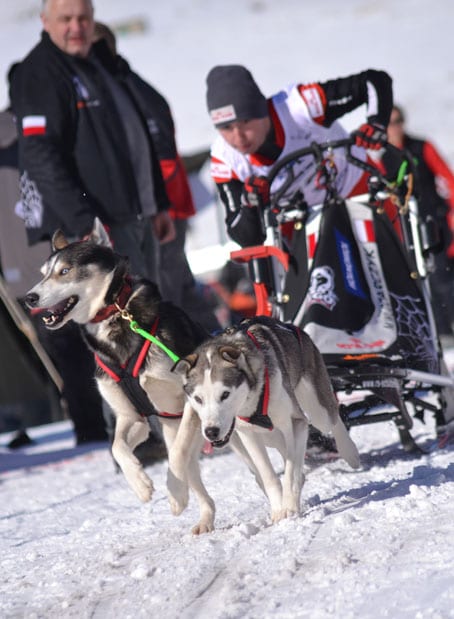
Among the multitude of sled dogs types, some breeds stand out due to their historical significance, physical capabilities, and popularity in modern sledding sports. These breeds have shaped the evolution of snow travel and continue to inspire enthusiasts worldwide.
This section delves into the most iconic and widely recognized sled dogs types, outlining their unique traits, historical backgrounds, and suitability for different types of sledding activities.
The Siberian Husky: The Heart of Sled Racer Spirit
The Siberian Husky is perhaps the most recognizable sled dogs type globally, renowned for its striking appearance and energetic demeanor. These dogs originate from Siberia, where they were bred by the Chukchi people for hauling light loads over long distances in cold climates.
Siberian Huskies are medium-sized, muscular dogs with a thick double coat, erect ears, and distinctive facial markings. Their resilience against harsh temperatures and ability to run for miles make them excellent for recreational sledding and competitive racing.
Despite their friendly and playful nature, Huskies require consistent training and mental stimulation. Their high energy levels can sometimes lead to escape tendencies or destructiveness if not properly engaged. Their sociable temperament makes them excellent pack dogs, but owners must establish firm boundaries and provide physical outlets for their vitality.
Alaskan Malamutes: The Powerhouses of Heavy Loads
Alaskan Malamutes are another iconic sled dogs type known for their immense strength and endurance. Their origins trace back to the native Alaskan peoples, where they were essential for transporting heavy loads across icy terrains.
These dogs tend to be larger than Siberian Huskies, with a robust build, powerful limbs, and a dense double coat. Their bold, independent personalities necessitate confident and experienced handlers, though they are also loyal and protective.
Malamutes excel in carrying heavy freight over long distances, making them ideal for sled dog freight hauling and mountainous terrains. Their temperament leans toward reserve and independence, requiring consistent yet patient training. They are less suited for high-speed racing but dominate when it comes to strength and stamina over challenging routes.
The Alaskan Husky: The Versatile Sled Dog
Unlike purebred Huskies or Malamutes, the Alaskan Husky is a mixed breed specifically bred for performance rather than appearance. These dogs are the backbone of many professional sled racing teams due to their exceptional speed and endurance.
The ALaskan Husky is characterized by a lean physique, energetic temperament, and a variety of coat colors and patterns. Their genetic makeup often combines traits from Siberian Huskies, Alaskan Malamutes, and other breeds, tailored for competitive sledding.
Training and caring for Alaskan Huskies require specialized knowledge, as their high energy levels demand regular exercise and mental stimulation. They thrive best in cold climates but can adapt to different environments with proper care. Their versatility makes them a favorite among professional mushers who seek reliable performance under varying conditions.
Greenland Dogs: The Ancient Sled Companions
Greenland Dogs are ancient sled dogs types, with a history dating back thousands of years. These hardy dogs were bred by the indigenous Inuit for hunting, hauling, and survival in extreme Arctic conditions.
Their size varies, but they are generally large, muscular, and highly resilient to cold. Their thick coat, strong jaw, and powerful legs enable them to pull heavy loads and endure prolonged work in frigid environments.
Greenland Dogs tend to be less energetic and more independent than Siberian Huskies, with a strong prey drive and territorial personality. They are often preferred for long-distance hauling rather than sprinting or racing. Their loyalty and endurance make them excellent companions for extended sled trips, though their training requires patience and respect for their independence.
How to Choose and Train Sled Dogs Types – A Step-by-Step Guide
Selecting the appropriate sled dogs types and training them effectively is crucial for successful sledding adventures. This process involves understanding the specific needs of each breed, assessing your own skill level, and employing proper training techniques.
Training sled dogs is much more than obedience; it requires building trust, reinforcing commands, and ensuring safety during work. Starting with smaller, manageable groups of dogs and gradually increasing workload allows for a smoother transition and better bonding.
Planning your training schedule should include socialization, conditioning for endurance, and practicing commands in different terrains. Developing a rapport with your dogs through consistent, positive reinforcement ensures cooperation and minimizes behavioral issues.
Preparing Your Dogs – Basics of Selection and Initial Conditioning
Choosing sled dogs types suited for your intended use begins with assessing their physical health, temperament, and natural drive. It’s important to select dogs that match your workload—whether casual recreational sledding or competitive racing.
Once selected, the initial conditioning involves gradually increasing activity levels, focusing on endurance, strength, and obedience. Regular vet checkups ensure your dogs are healthy and fit for demanding work.
Early training sessions should establish commands like “Gee” (right), “Haw” (left), “Hike” (go), and “Whoah” (stop). Positive reinforcement and patience are key, especially since many sled dogs are independent thinkers. Building trust early prevents issues later in training or on tough terrains.
Building Endurance – Step-by-Step Training Procedures
Endurance training is fundamental for all sled dogs types. It begins with short-distance runs, progressively increasing length and difficulty. Incorporate hills, snow conditions, and varying terrain to simulate real-world conditions.
Consistency in training routines helps dogs adjust mentally and physically. Proper pacing prevents injuries and exhaustion, ensuring your team remains healthy and motivated.
Motivating your dogs with treats, praise, or favorite toys during runs maintains their enthusiasm. As their stamina improves, you can extend training sessions, adding layers of complexity such as pulling different weights or navigating obstacles.
Tips for Maintaining Optimal Performance and Welfare
Maintaining your sled dogs types involves more than just training; it requires a commitment to their overall well-being. Balanced nutrition tailored for high-energy work supports their stamina and recovery.
Regular health checks, grooming, and monitoring for signs of fatigue prevent injuries and burnout. Adequate shelter and hydration are crucial, especially during strenuous activities or extreme weather.
Building a strong bond with your dogs through reward-based training and social interaction fosters loyalty and cooperation. Always listen to their cues—if a dog shows signs of discomfort or fatigue, it’s vital to adjust workloads accordingly.
FAQs about Sled Dogs Types
What are the main differences between Siberian Huskies and Malamutes?
Siberian Huskies are lighter, faster, and more energetic, making them ideal for speed-based activities. Malamutes are larger, stronger, and built for hauling heavier loads over longer distances but at slower speeds. Huskies are more social and playful, whereas Malamutes tend to be more reserved and independent.
Are all sled dogs suitable for beginner mushers?
Not all sled dogs types are equally suitable for beginners. Breeds like Siberian Huskies are generally more adaptable and easier to work with, while Alaskan Malamutes require more experienced handling due to their independence. Proper training and understanding of the breed are essential regardless of experience level.
How do I care for sled dogs in training during winter?
Winter care involves providing ample shelter from wind and cold, ensuring plenty of high-fat nutrition for energy, frequent grooming to prevent matting and frostbite, and maintaining hydration. Regular health checks and acclimatization to cold temperatures keep your dogs healthy and active.
Can sled dogs adapt to warmer climates?
While sled dogs are naturally adapted to cold environments, many breeds can survive in warmer climates with proper care—shade, cooling vests, and adjusted training schedules. However, chronic exposure to heat can lead to health issues, so it’s best to limit strenuous activity during the hottest parts of the day.
What is the best way to start training a new sled dog?
Begin with basic commands, socialization, and short trips to build trust and stamina. Use positive reinforcement, keep sessions consistent and positive, and gradually increase workload and complexity. Patience and understanding of breed-specific traits are critical for success.
Conclusion
The diverse sled dogs types showcase an incredible range of physical capabilities, temperaments, and historical significance, each suited for specific tasks in cold environments. From the speed and agility of Siberian Huskies to the strength of Malamutes or the endurance of Greenland Dogs, selecting the right breed depends on your goals, experience, and terrain. Proper training, care, and understanding of their unique traits foster a successful partnership that can withstand even the harshest winter conditions. Recognizing these breeds’ differences and strengths allows enthusiasts and adventurers to appreciate the remarkable legacy of sled dogs and harness their potential for both recreation and competition.
