

Dog
What Type of Coconut Oil for Dogs – Choosing the Best for Your Pet’s Health

Apr
When it comes to caring for our beloved dogs, we often look for natural and effective ways to enhance their health. Among these options, coconut oil has gained popularity for its numerous benefits, from shiny coats to improved digestion. But with various types of coconut oil available, the question arises: what type of coconut oil for dogs is best suited for them? This article explores the different types, how to select the right one, the pros and cons, and essential tips to ensure safe usage.
Understanding the Different Types of Coconut Oil for Dogs
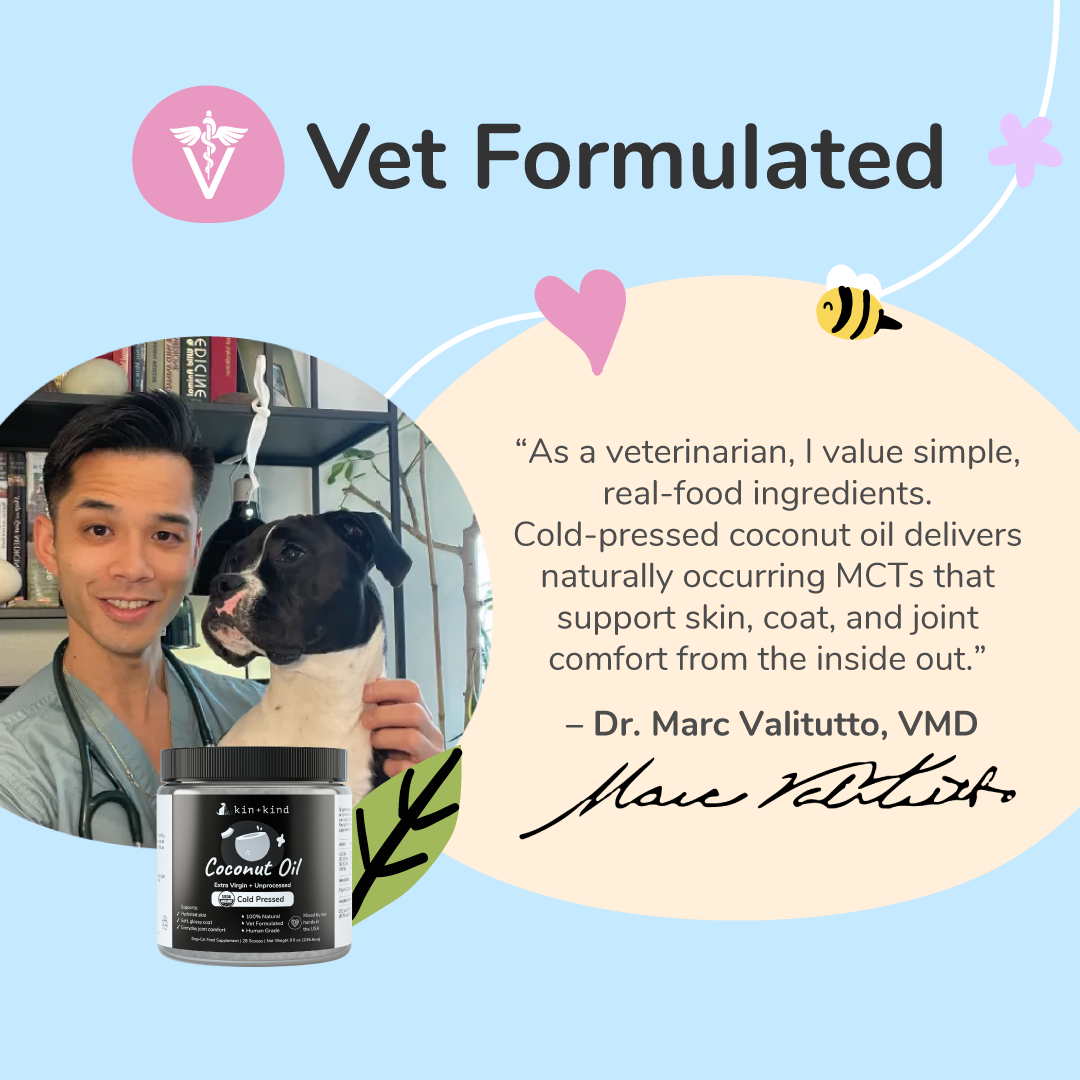
Navigating the world of coconut oils can be confusing, especially with the plethora of options available in the market. Not all coconut oils are created equal, and selecting the correct type is crucial for your dog’s health. The primary types include unrefined (virgin or extra virgin), refined, and fractionated coconut oil. Each offers distinct properties, benefits, and considerations, making it essential to understand their differences.
Before diving into the specifics, it’s vital to recognize that what type of coconut oil for dogs is most appropriate depends on factors such as intended use, purity, and the extraction process. Naturally, pet owners seek oils that are minimally processed, free of additives, and retain the natural nutrients.
Unrefined (Virgin or Extra Virgin) Coconut Oil
Unrefined, also known as virgin or extra virgin coconut oil, is extracted from fresh coconut meat without chemical processing. Its preservation of natural nutrients, aroma, and flavor makes it a popular choice among pet owners looking for the most natural option.
Rich in antioxidants, lauric acid, and beneficial fatty acids, unrefined coconut oil supports a healthy coat, immune function, and skin health in dogs. Because it retains maximum nutrients, it’s often regarded as the best type of coconut oil for overall health benefits.
However, unrefined coconut oil has a strong coconut scent and flavor, which might not be desirable for all pets or owners. It also has a shorter shelf life compared to refined options due to its minimal processing, necessitating proper storage to prevent rancidity.
Refined Coconut Oil
Refined coconut oil undergoes additional processing involving bleaching and deodorizing, which removes some of the natural flavor and aroma. The refining process often uses chemical solvents, though high-quality brands strive to keep solvent residue minimal.
This type of coconut oil has a neutral scent and taste, making it a more versatile option for pets that might dislike strong coconut smells. It also has a higher smoke point, which can be beneficial if using the oil for cooking or topical applications.
The primary downside of refined coconut oil is the reduction in some beneficial compounds due to processing. Nonetheless, it remains a suitable option if your concern is about scent or if your dog has sensitivities. Always opt for high-quality, minimally processed refined oils for best results.
Fractionated Coconut Oil
Fractionated coconut oil is a processed version where long-chain fatty acids are removed, leaving mostly medium-chain triglycerides (MCTs). It remains liquid at room temperature and is often used in cosmetic and topical products.
For dogs, fractionated coconut oil can be an excellent moisturizer or carrier oil for topical applications. Its lightweight, non-greasy texture ensures quick absorption without clogging pores, making it beneficial for skin conditions.
However, it offers fewer nutritional benefits compared to virgin coconut oil, as the process strips away many of the natural compounds. It’s primarily used for external applications rather than dietary supplementation.
Which coconut oil is best for dogs?
When answering what type of coconut oil for dogs, unrefined virgin coconut oil typically comes highly recommended due to its natural preservation of nutrients, safety profile, and health benefits. Nonetheless, the overdosing or use of a lower-quality, chemically processed oil could negate these benefits. It’s essential to select a reputable brand that provides high-quality, unrefined coconut oil, especially when using it as a supplement.
How to Choose the Right Coconut Oil for Your Dog
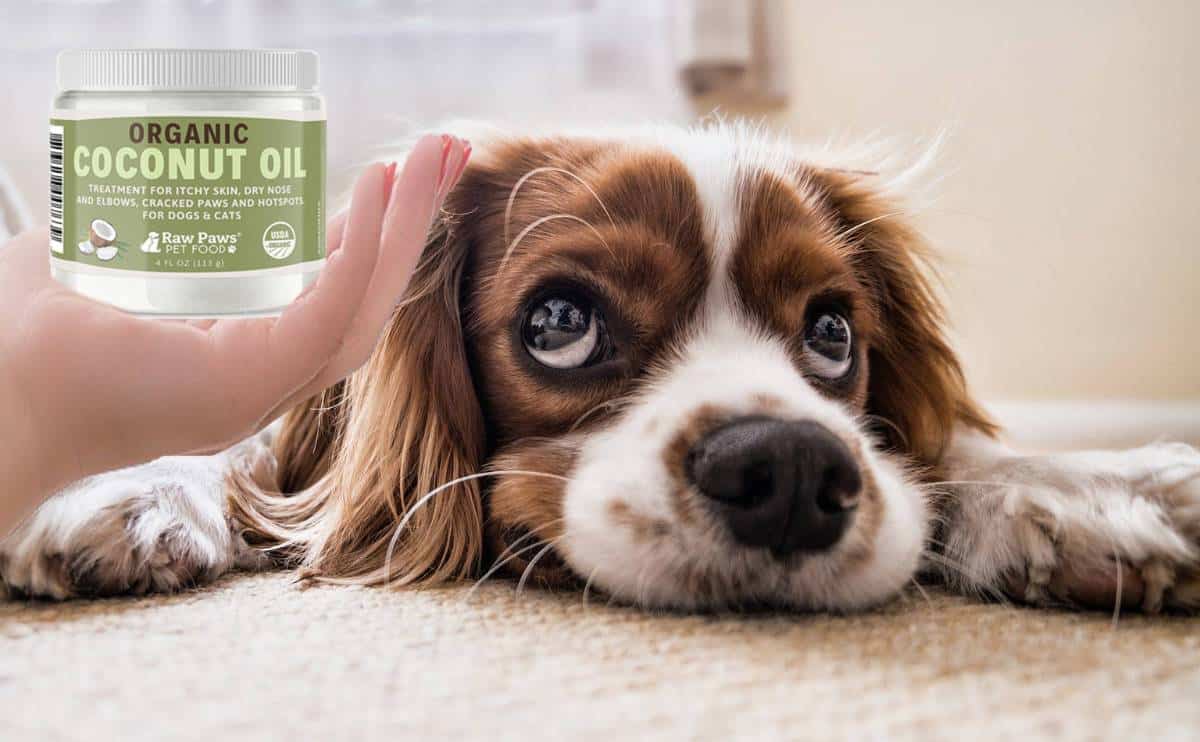
Selecting the right coconut oil involves more than just picking a brand—they need to be suitable for your pet’s specific health needs, preferences, and sensitivities. Understanding key factors such as purity, extraction method, and quality assurance can guide you toward making an informed choice.
Before adding any supplement or topical application to your dog’s routine, it’s worth consulting with your veterinarian. They can advise you on dosage, potential allergies, and overall suitability for your dog’s health condition.
Consider Purity and Quality Certifications
The first step in choosing a coconut oil is checking for purity and quality certifications. Opt for oils that are labeled as organic, cold-pressed, and unrefined. These labels indicate minimal processing and absence of harmful chemicals or additives, which ensures you’re giving your dog the safest option.
High-quality brands often undergo rigorous testing for contaminants such as pesticides and heavy metals. Certificates of analysis or third-party testing results are good indicators of quality. For pet owners, transparency from the manufacturer is a positive sign they prioritize safety.
Evaluate the Extraction Process and Freshness
Opt for cold-pressed, unrefined coconut oil to maximize health benefits. Cold-pressing preserves natural antioxidants and fatty acids that are beneficial for dogs. Always check the freshness date and store the oil in a cool, dark place to prevent rancidity—a common issue with unrefined oils.
Avoid hydrogenated or partially hydrogenated oils, as these can contain trans fats, which should be avoided in pet diets. Filtering through these criteria ensures you’re selecting a product that benefits your dog instead of posing potential health risks.
Factor in Cost and Packaging
Price can vary significantly depending on the brand, quality, and processing methods. While cheaper options may be tempting, they often compromise on quality or may contain fillers or additives. Investing in a premium, high-quality coconut oil can pay off in terms of better health outcomes for your pet.
Packaging also matters. Look for oils housed in glass bottles or BPA-free containers, as plastics can leach chemicals into the oil over time. Proper packaging protects the integrity of the oil and preserves its benefits.
The Pros and Cons of Using Coconut Oil for Dogs
Coconut oil has garnered praise for its myriad health benefits, but it’s essential to understand both its positives and limitations. When correctly integrated into your dog’s diet or grooming routine, it can be a valuable addition. However, overuse or misuse may lead to adverse effects, making awareness vital.
Understanding these factors allows pet owners to weigh the benefits against potential drawbacks, ensuring safe and effective use. As with any supplement, moderation and proper guidance are key.
Benefits of Coconut Oil for Dogs
The natural properties of coconut oil contribute to a wide array of health advantages in dogs. Its medium-chain triglycerides (MCTs) provide an immediate energy source, helping improve metabolic efficiency. The lauric acid found in coconut oil has antimicrobial, antiviral, and anti-inflammatory effects, which can bolster your dog’s immune system.
For skin and coat health, coconut oil serves as an excellent moisturizer that can reduce dryness, itching, and irritation. It also supports gastrointestinal health by aiding digestion and restoring gut flora. Additionally, coconut oil can improve dental health, reducing plaque buildup and freshening breath.
Potential Drawbacks and Risks
While coconut oil offers numerous health benefits, excessive supplementation can lead to digestive upset, including diarrhea or soft stools. Dogs vary in their tolerance levels, and too much oil can contribute to weight gain due to its calorie density.
Some dogs may develop allergies or sensitivities to coconut products, resulting in skin reactions or gastrointestinal issues. It’s important for pet owners to observe their dogs for adverse responses and consult with vets before initiating long-term or large-scale use.
Another concern is the quality of the product. Low-grade or heavily processed oils might contain harmful residues or trans fats, which counteract the positive effects. Ensuring high-quality sourcing and employing appropriate dosages are essential steps to maximize benefits and minimize risks.
The Importance of Moderation
Incorporating coconut oil into your dog’s routine should be done gradually and in moderation. Typically, starting with a teaspoon per 10 pounds of body weight daily is advisable, but this can vary depending on individual needs and veterinary recommendations. Observe your dog closely after initial usage to detect any negative reactions.
Using coconut oil as a supplement or topical treatment can complement veterinary care, but it’s not a cure-all. It’s vital to think of coconut oil as part of a balanced approach to your dog’s health, which includes proper diet, regular exercise, and routine veterinary visits.
Alternatives to Coconut Oil for Healthy Dogs
While coconut oil offers remarkable benefits, some pet owners may seek alternatives due to allergies, sensitivities, or personal preferences. Fortunately, there are other natural options that can support your dog’s health in comparable ways.
Olives, Fish Oil, and Flaxseed Oil
Olive oil, rich in monounsaturated fats, can enhance coat shine and skin health when used in moderation. Fish oils and flaxseed oils are excellent sources of omega-3 fatty acids, which reduce inflammation and support brain and joint health. These oils can be incorporated into your dog’s diet to promote similar benefits that coconut oil provides.
Oatmeal, Aloe Vera, and Herbal Supplements
For skin issues, natural remedies such as oatmeal baths or aloe vera gel can soothe irritated skin. Herbal supplements like calendula or chamomile may also support skin healing and immune function. Incorporating these alternatives should ideally be done with veterinary guidance to ensure safety and efficacy.
Commercial Supplements and Specialized Dog Products
Many pet-specific products contain a blend of nutrients, including omega fatty acids, vitamins, and herbal extracts formulated for canine health. These options are convenient and often tested for safety, making them reliable choices for pet owners seeking alternatives to coconut oil.
Choosing an alternative depends on the specific health goal—whether it’s skin support, digestive health, or immune boosting—and should be tailored to your dog’s unique needs. Always consult with a veterinarian before switching or combining options to prevent potential interactions or adverse effects.
Step-by-Step Guide to Using Coconut Oil Safely for Your Dog
Integrating coconut oil into your dog’s routine is straightforward when done properly. Following a structured approach ensures safety and maximizes health benefits.
Start by selecting a high-quality, unrefined virgin coconut oil. Consult your veterinarian to determine the appropriate dosage based on your dog’s size and health condition. Initiate supplementation gradually by mixing a small amount of oil into your pet’s food, watching for any signs of intolerance or allergic reactions.
Monitor your dog closely over the first week for any changes in behavior, stool consistency, skin health, or overall energy levels. If any adverse effects occur, reduce the amount or discontinue use and seek veterinary advice. Consistency is key—adding the oil daily at the prescribed dose will help your dog adapt and provide ongoing health benefits.
For topical applications, start with a small amount of the oil, applying it carefully to dry or irritated skin. Use gentle massage to increase absorption, and avoid overuse to prevent greasy residue or clogged pores. Regular grooming with coconut oil can improve skin and coat health, but should be part of a balanced skincare routine.
Over time, you can adjust the amount based on your dog’s response and specific needs. Always prioritize your pet’s safety, and keep open communication with your veterinarian to refine the routine. Remember, ongoing observation and moderation are crucial for long-term success.
Tips for Optimal Use of Coconut Oil on Dogs
Maximizing the benefits of coconut oil involves more than just initial application. Proper handling, storage, and application practices ensure your dog’s safety and well-being.
Choose organic, cold-pressed, unrefined coconut oil and store it in a cool, dark place. Exposure to heat and light accelerates rancidity, diminishing its nutritional value. Use clean utensils when dosing to avoid contaminating the oil and always measure carefully to prevent overfeeding.
Introduce coconut oil gradually into your dog’s diet, beginning with small amounts, and observe their response. If your pet shows signs of discomfort, consult your veterinarian before increasing usage. Remember, moderation is key to avoiding digestive upset or weight gain.
Incorporate coconut oil into grooming routines by massaging small amounts into the coat. Doing so can improve the coat’s luster, reduce shedding, and soothe dry or irritated skin. For oral health, consider using coconut oil as a natural teeth cleaner, brushing gently to reduce plaque.
Finally, stay educated about new research and products related to coconut oil. The field of natural pet care evolves constantly, offering innovative ways to support your pet’s health. Engaging in ongoing learning and consulting professionals ensure that your approach remains safe, effective, and tailored to your dog’s needs.
FAQs: What You Need to Know About Coconut Oil for Dogs
Is all coconut oil safe for dogs?
Most unrefined, organic coconut oil is safe for dogs when used properly. However, always choose high-quality products and consult your veterinarian before adding it to your pet’s diet or grooming routine.
How much coconut oil should I give my dog?
Typically, a teaspoon per 10 pounds of body weight daily is recommended, but this varies with individual needs. Always start with small amounts and gradually increase, closely monitoring any reactions.
Can coconut oil cause allergies in dogs?
Yes, some dogs may develop allergies or sensitivities to coconut products, leading to skin irritation or gastrointestinal issues. Conduct a patch test or start with small doses to assess your dog’s reaction.
What are the risks of overusing coconut oil?
Overuse can lead to diarrhea, weight gain, or pancreatitis. It’s important to adhere to recommended dosages, introduce gradually, and balance it with a complete diet.
Are there alternatives to coconut oil for skin and coat health?
Yes, options include fish oil, flaxseed oil, olive oil, and specialized pet supplements. Consult your veterinarian to determine the best approach for your dog’s specific needs.
Conclusion
In conclusion, choosing the what type of coconut oil for dogs largely depends on purity, processing, and your pet’s individual needs. Virgin, unrefined coconut oil is generally the optimal choice for its natural nutrient profile, offering benefits that encompass improved coat, skin, immune health, and digestion. While coconut oil can be a valuable supplement, moderation and quality are paramount to avoid potential drawbacks such as digestive upset or allergies. Alternatives like fish oil or plant-based oils can also provide similar benefits when tailored to your dog’s health considerations. Proper introduction, consistent application, and ongoing consultation with your veterinarian will ensure your furry friend gains maximum health advantages from coconut oil or its suitable substitutes. Ultimately, integrating natural remedies thoughtfully supports a holistic approach to your dog’s well-being.
