

Dog
Exploring the World of Layers and Comfort – The Ultimate Guide to Types of Dog Harnesses
Apr
When it comes to caring for your furry friend, choosing the right type of dog harness is essential for their safety, comfort, and your peace of mind. The world of dog harnesses is diverse, offering various styles tailored to different breeds, sizes, and activity levels. Understanding the different types of dog harnesses can help you make informed decisions that enhance your dog’s walking experience and overall well-being. This comprehensive guide explores the many types of dog harnesses, their pros and cons, how to select the best fit, and practical tips to ensure your dog is comfortable and secure during every walk or adventure.
Who Types of Dog Harnesses – An Overview of Options Available
The landscape of dog harnesses is rich with variety, designed to cater to the unique needs of dogs and their owners. From basic walking harnesses to technical gear for training, each type serves specific purposes. Knowing the different categories can help you choose the perfect harness for your dog’s temperament, health, and activity style.
Different types of dog harnesses are optimized for various functions, such as controlling a strong puller, ensuring comfort for a sensitive dog, or supporting a dog with mobility issues. The choice often depends on factors like size, breed, behavior, and the specific activity you want to pursue with your dog. Whether you’re looking for a simple tool to attach to a collar or a specialized harness for navigating rough terrains, understanding the varieties is the first step toward responsible pet care.
Traditional Back-clip Harnesses
Traditional back-clip harnesses are among the most common options available for dog owners. They feature a metal or plastic ring positioned on the dog’s back, making it simple to attach a leash. These harnesses tend to be straightforward in design and easy to put on, which appeals especially to first-time dog owners. Their popularity can be attributed to their ease of use and versatility.
Back-clip harnesses are particularly suitable for calm dogs that do not tend to pull excessively on the leash. They offer control during walks without putting much pressure on the dog’s neck, which is a significant safety advantage over collars. However, they might not be the ideal choice for dogs who pull aggressively or are prone to escaping because they provide less control over the dog’s chest and shoulders.
Front-clip Harnesses
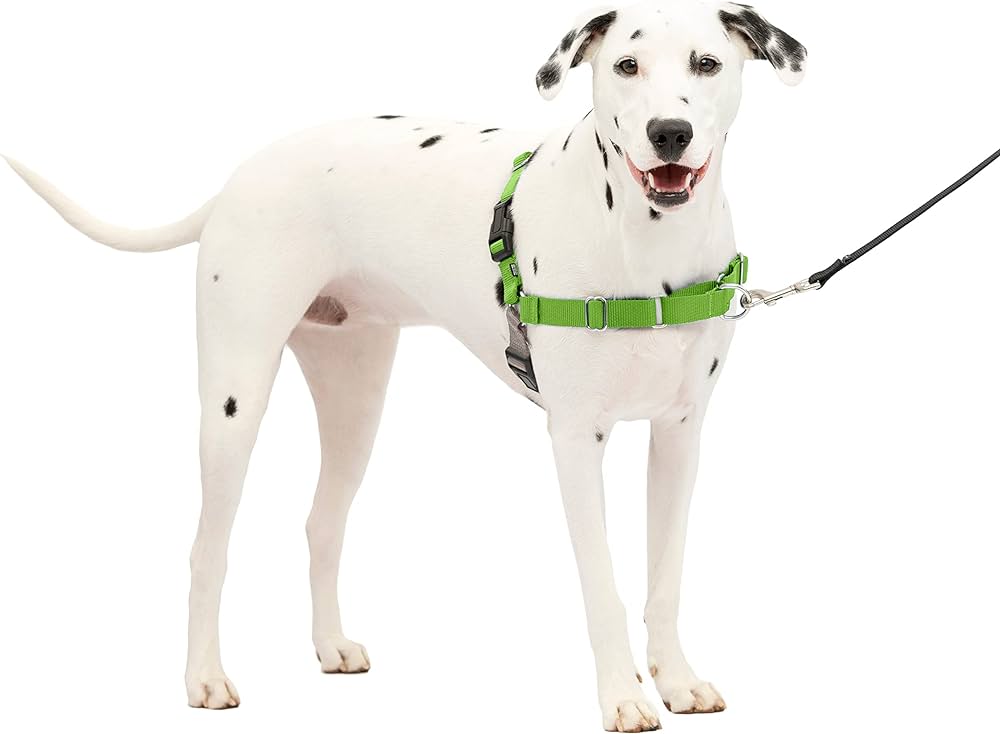
Front-clip harnesses feature a leash attachment point on the dog’s chest, just in front of the front legs. These are designed to discourage pulling and provide better control over dogs that tend to be stubborn or overly energetic during walks. The placement of the clip on the chest redirects the dog’s forward motion, making it easier to guide or correct their pulling behavior.
Many owners find front-clip harnesses effective for training puppies and rescue dogs, especially those prone to pulling or lunging. They are also suitable for small, fragile, or senior dogs that require gentler handling. On the downside, some dogs might find front-clip harnesses uncomfortable initially, and improper adjustment can lead to chafing or restriction of movement if not fitted correctly.
Step-In Harnesses
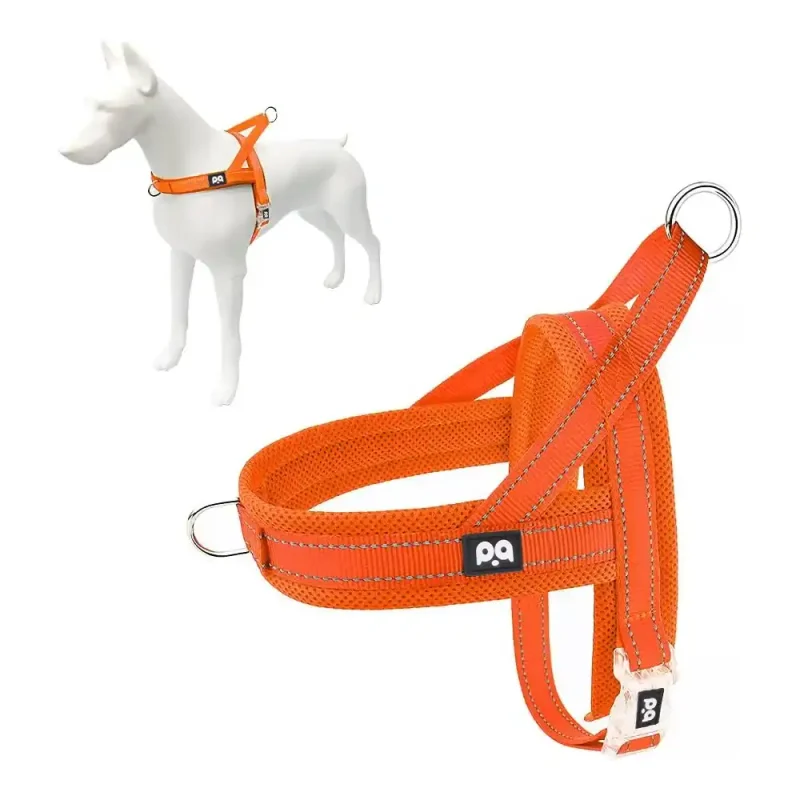
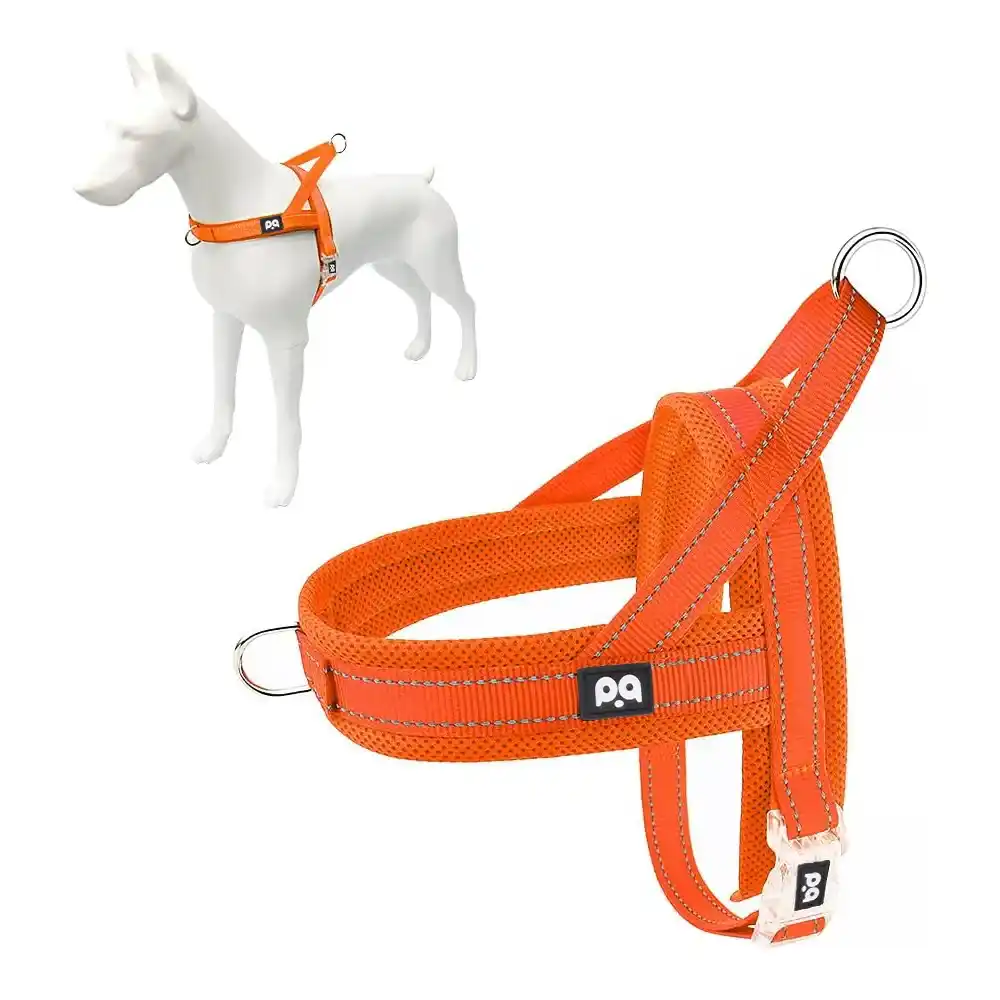
Step-in harnesses are characterized by their design, allowing the dog to step into the harness with front paws, making them very user-friendly. These harnesses are often adjustable and come with easy-to-clip buckles, making them an excellent choice for owners who value simplicity and quick fitting.
The primary advantage of step-in harnesses is that they distribute pressure evenly across the chest and shoulders, reducing strain on the neck. They are especially popular for small to medium-sized dogs and are often used for daily walks, car rides, or vet visits. However, for large or strong pullers, they might not offer enough control, and improper fitting can lead to discomfort or slipping out.
Tactical and Service Harnesses
Tactical and service harnesses are specialized types designed for working dogs, service animals, military or police dogs, and those involved in active outdoor activities. These harnesses usually boast extra features like additional handles, pockets, or MOLLE systems for attaching gear, and reinforced materials for durability.
Their design emphasizes functionality, safety, and comfort during demanding activities. Service harnesses aim to assist dogs with mobility or behavioral challenges, often integrating support handles and attachment points for mobility aids. Their rugged construction ensures they withstand harsh conditions, making them ideal for outdoor adventures and demanding training.
Step-by-step Guide to Choosing the Right Type of Dog Harness
Selecting the right harness involves understanding your dog’s specific needs, activity level, and comfort. The process starts with observational assessment—how your dog responds to collar use, their size and breed, and the kind of walks or activities they enjoy.
Next, consider the primary purpose of the harness—are you aiming to control pulling, improve comfort, or provide support? For example, a dog with a history of collar-related injuries might benefit from a well-fitted step-in harness. Dogs who tend to pull might respond better to front-clip harnesses designed for behavioral correction.
Finally, always try different types of harnesses, if possible, and size them correctly. The fit is crucial: a harness that is too tight can cause chafing and discomfort, while one that is too loose can slip off or provide inadequate control. Pay close attention to materials—breathable fabrics for active dogs and padded options for sensitive skin are ideal choices for ensuring both safety and comfort.
Pros and Cons of Different Types of Dog Harnesses – Making the Best Choice
Each type of dog harness comes with its unique set of advantages and disadvantages, shaping their suitability for specific dogs and situations. Being aware of these pros and cons allows pet owners to assess which harness aligns best with their dog’s needs and their own preferences.
Benefits and Drawbacks of Traditional Back-clip Harnesses
Back-clip harnesses are widely appreciated for their simplicity and ease of use. They tend to be lightweight, less restrictive, and quick to put on, making them an excellent choice for everyday walks. The leash attachment at the back offers good control, especially for well-behaved dogs, and they reduce strain on the neck compared to collars, which is a critical safety feature.
However, these advantages come with limitations. For dogs that tend to pull, back-clip harnesses may actually exacerbate the behavior by providing little front-end control, allowing them to surge forward with less restraint. Moreover, for escape artists or dogs with a tendency to back out of harnesses, these models might not be secure enough, potentially leading to escapes or injuries if not properly fitted.
Benefits and Precautions of Front-clip Harnesses
Front-clip harnesses excel in discouraging pulling behavior, as the attachment on the chest works to steer and restrain the dog when they attempt to forge ahead. Their design facilitates training and improves control for owners managing energetic or stubborn dogs. They are also generally comfortable, distributing pressure across the chest rather than the neck.
On the flip side, front-clip harnesses can be challenging to fit correctly; misadjusted, they may cause chafing or restrict natural movement. Some dogs may initially resist the front attachment because it alters their natural gait or feels unfamiliar. Over time, consistent training and proper sizing can turn this into a valuable tool for safer walks, particularly for dogs prone to lunging or pulling.
Advantages and Disadvantages of Step-In Harnesses
Step-in harnesses are well-loved for their simplicity, especially for owners who prioritize quick and easy fittings. They are adjustable, lightweight, and typically designed with soft, breathable materials, which makes them comfortable for regular wear. These harnesses evenly distribute pressure across the shoulders and chest, making them a good option for everyday walks and light outdoor activities.
The primary con is that step-in harnesses might not be suitable for very strong or aggressive pullers because they often lack the specialized control features found in front- or back-clip models. If a harness is not fitted properly, dogs can slip out, which raises safety concerns. Nevertheless, with the right size and adjustment, they are a practical and gentle option for many dogs, especially small and medium breeds.
Specialty Harnesses for Active and Working Dogs
Tactical and service harnesses serve a niche but vital segment of dog harnesses. They enhance safety and functionality for working dogs, service animals, or those involved in outdoor adventures. These harnesses are typically made from durable, high-quality materials with added features like handles, attachment points, and reinforced stitching.
While these harnesses provide excellent control and support, their bulkier design and additional features might be unnecessary for casual pet owners. They are often more expensive and may require a bit of an adjustment period to get used to. However, for active dogs, rescue missions, or dogs requiring mobility support, these harnesses are invaluable and come with benefits that far outweigh the downsides, notably in terms of durability and versatility.
Alternatives to Dog Harnesses – Exploring Other Control Options
While harnesses are fantastic tools for dog control, some owners opt for alternative options based on their dog’s behavior, age, and health. Collars, head halters, and slip leads are common substitutes or complements to harnesses, each suited for specific scenarios. It’s important to understand these alternatives to determine the best approach for your pet’s safety and comfort.
Collars and Their Uses – When Are They Suitable?
Collars are the most traditional restraint method, primarily used for identification tags and attaching leashes during casual walks. Their simplicity and familiarity make them attractive, especially for well-behaved dogs who walk calmly without pulling.
However, collars can pose safety risks for dogs that tend to pull or have delicate tracheas, such as small breeds or brachycephalic dogs like Bulldogs and Pugs. Excessive pulling on a collar can lead to injuries, breath issues, or neck strain. Therefore, collars are best suited for dogs with gentle temperaments and are used with a properly fitted, flat collar that distributes pressure evenly.
Head Halters – An Alternative for Better Control
Head halters resemble gentle muzzles and attach around a dog’s snout, allowing owners to steer the dog’s head— and consequently, their body— in the desired direction. Many owners find head halters effective in reducing pulling and improving leash manners, especially for dogs that are difficult to control.
For dogs unaccustomed to head halters, initial training and gradual introduction are necessary to prevent discomfort. These devices resemble a gentle guiding tool rather than a restraint; when used correctly, they provide excellent control with minimal effort from the owner. Nonetheless, improper fit or prolonged use can cause discomfort, so they should be used judiciously and sparingly.
Slip Leads and DIY Alternatives
Slip leads are versatile tools combining a leash and collar in one device, sliding over the dog’s head with a loop that tightens when pulled. They are lightweight, portable, and often used in training classes or temporary settings. They require careful handling because the tension tightens around the neck, which can be uncomfortable or hazardous if misused.
Alongside commercial alternatives, some owners employ DIY solutions like fabric loops or homemade harnesses, especially for temporary or outdoor use. While resourceful, these homemade options often lack the safety features of commercial harnesses and should be used with caution. Properly designed, tested, and well-fitted commercial harnesses remain the safest, most effective method for everyday walking and training.
Step-by-step Guide to Fitting and Using Types of Dog Harnesses
Achieving a proper fit and understanding how to use different types of dog harnesses maximize their benefits and ensure your dog’s safety. The process involves careful measurement, gradual introduction, and consistent training. Here’s a practical guide to help you get started.
First, measure your dog accurately—around the chest, neck, and body—to ensure selecting the correct size. Most harnesses come with sizing charts; always follow manufacturer recommendations for a snug yet comfortable fit. To avoid chafing or slipping, adjust straps so that the harness is secure but not restrictive.
Next, familiarize your dog with the harness by allowing them to sniff and explore it, creating a positive association. Place the harness on your dog indoors, rewarding them with treats and praise to ease any apprehension. When fitting, check that the harness sits evenly without pinching or causing discomfort. The harness should enable free movement, especially around the shoulders, and not restrict breathing or natural gait.
Finally, practice proper leash handling. For front-clip models, walk with your dog in a controlled environment to reinforce good manners. Use positive reinforcement to praise your dog for walking calmly with the harness. Adjust straps as needed during walks, and regularly check for signs of discomfort or wear to maintain safety and comfort.
Tips for Choosing the Perfect Types of Dog Harnesses
Selecting the right harness isn’t just about style or convenience; it entails matching features to your dog’s personality, health, and activity level. Emphasizing comfort, safety, and functionality will lead to happier walks and a healthier relationship with your pet.
Consider your dog’s size and breed when choosing a harness—small dogs with delicate frames require padded, soft options, while large, powerful breeds benefit from sturdy, reinforced models with multiple attachment points. Think about the primary activity—regular walks, training, outdoor adventures, or mobility support—which influences the best features to prioritize.
Engage in trial fittings if possible, and observe your dog’s reactions. A well-fitting harness should allow them to breathe comfortably and move freely without being able to slip out. Don’t forget to maintain regular checks for wear and tear, especially after outdoor activities. Remember, patience and persistence during the fitting process help your dog accept the harness and foster a positive walking experience.
FAQs About Types of Dog Harnesses
What is the safest type of dog harness for a puller?
A front-clip harness is generally considered the safest for controlling a puller because it discourages pulling by redirecting the dog’s forward motion. Proper fitting and training reinforce effectiveness, making it a popular choice for addressing pulling behavior without risking neck injuries.
How often should I replace my dog’s harness?
You should replace your dog’s harness whenever it shows signs of wear, fraying, or damage, or if it no longer fits properly. Regularly inspecting the harness’s buckles, straps, and attachments ensures your dog’s safety during walks. Always opt for durability to prevent accidents or escapes.
Can any dog wear a harness, or are some breeds better suited for collars?
Most dogs can wear a harness, but some brachycephalic breeds or very small dogs with delicate necks might be more comfortable in well-fitted, padded harnesses. Collars are suitable for dogs with gentle temperaments and no tendency to pull; otherwise, harnesses provide safer control and reduce injury risks.
Are there any training tips for beginners with new harnesses?
Introduce the harness gradually by allowing your dog to sniff and explore it positively. Use treats and praises during fitting and walking to create positive Associations. Keep training sessions short and consistent, and be patient as your dog adapts to wearing the harness comfortably.
How do I determine the correct size for a dog harness?
Measuring your dog’s girth around the widest part of the chest and their neck circumference provides the most accurate sizing. Always refer to the manufacturer’s size chart, allowing a snug but comfortable fit, and adjust straps accordingly. Proper fit prevents slipping and discomfort.
Conclusion
The world of types of dog harnesses offers a wide variety of options tailored to meet different needs, from basic control and comfort to specialized outdoor or service functions. Understanding the distinct features, benefits, and limitations of each harness type allows pet owners to select the best fit for their dog’s size, behavior, and lifestyle. Proper fitting, consistent training, and informed choices ensure safe, comfortable walks that enhance your dog’s well-being and strengthen your bond. Exploring the array of harnesses and alternative options equips every owner with the tools necessary to keep their furry friends happy, healthy, and secure during every adventure.
