

Dog
Exploring the Diversity of Black and Brown Dog Types – A Guide to Their Characteristics, Care, and Selection

Apr
When it comes to choosing a dog, their color can be a significant factor for many pet lovers. Among the most striking and popular are black and brown dog types. These dogs don’t just stand out because of their vivid and diverse coats—they offer a range of personalities, health prospects, and care needs. This comprehensive guide dives deep into the various black and brown dog types, helping prospective owners understand their options, benefits, challenges, and how to select the perfect canine companion based on these beautiful colorations.
Who Are Black and Brown Dog Types? Understanding Their Diversity and Origins

Black and brown dog types encompass a wide array of breeds and mixed breeds, each with unique histories and physical traits. These colors are often representative of specific lineage traits and are prized in many cultures for their elegance and symbolism. From sleek, small lap dogs to robust, working breeds, black and brown coat variations reflect a fascinating evolutionary journey.
In this section, we’ll explore the origins of these coat colors, their significance across different breeds, and how they contribute to a dog’s overall personality and health attributes.
Origins and Significance of Black and Brown Coat Colors in Dogs
Black and brown coats are among the most common in the canine world, with roots tracing back thousands of years. Their presence across numerous breeds indicates a genetic predisposition that has been favored for both practical and aesthetic reasons.
Historically, black coats provided some level of camouflage for hunting or guarding, especially in working dogs and rural breeds, while brown shades often symbolized agility and adaptability. These colored coats also played a role in breed standards, especially in ancient times, where coat color became a key identifier.
Modern genetics reveal that the black pigmentation (eumelanin) and brown shades derive from complex gene interactions. Certain breeds, such as the Labrador Retriever or Doberman, are renowned for their distinct black coats, while German Shepherds and Boxers often feature striking browns and tans.
The cultural perception of these colors has also influenced breeding trends; black dogs are often associated with mystery and elegance, while brown dogs evoke warmth and friendliness—highlighting why many dog lovers find their appeal irresistible.
Common Breeds Exhibiting Black and Brown Coat Colors
A variety of breeds showcase black and brown dog types prominently, each with unique traits beyond their coat color.
For example, the Rottweiler is famed for its black coat with characteristic rust or brown markings, embodying strength and loyalty. Dachshunds often display a rich brown hue, with their long bodies and playful personality making them a favorite among small dog enthusiasts. German Shepherds tend to have a combination of black with tan or brown accents that reflect their working dog heritage, intelligence, and agility. Labrador Retrievers can be solid black, chocolate brown, or yellow, but the black variety is often recognized for its sleek appearance.
Other breeds like the Belgian Malinois and Doberman Pinscher carry black and brown coats that symbolize agility, alertness, and vitality. These coat colors are not only beautiful but also serve practical functions in a working environment, offering camouflage and resilience.
Understanding the origins and breed-specific characteristics of these black and brown dog types will pave the way for prospective owners to appreciate their unique qualities better and make informed decisions aligned with their lifestyles.
Impact of Coat Colors on Breed Identification and Perception
Color plays a significant role in the identity and perception of dog breeds, influencing both their popularity and how owners view them. Black and brown coats, due to their visual appeal, often foster specific impressions—ranging from elegance and dignity to warmth and friendliness.
For breeders, coat color can also affect breeding choices, especially within specific breed standards set by kennel clubs and canine organizations. Some breeds are recognized primarily in particular coloration patterns. For instance, the Belgian Malinois and Dobermans are extensively recognized for their black and brown features, which associate with their roles in security and service.
From an owner perspective, black and brown dog types can shape social perceptions and even influence how dogs are treated in public spaces. Their distinctive coat colors tend to attract attention, making them memorable choices for families, working professionals, or service providers.
Color psychology also plays a role: black dogs are sometimes viewed as enigmatic and loyal, while brown dogs often symbolize warmth, reliability, and approachability. These perceptions can affect their social interactions and the emotional bonds they form with owners, highlighting the importance of understanding both breed traits and individual personality beyond the coat color.
How to Choose and Care for Black and Brown Dog Types — A Complete Step-by-Step Guide
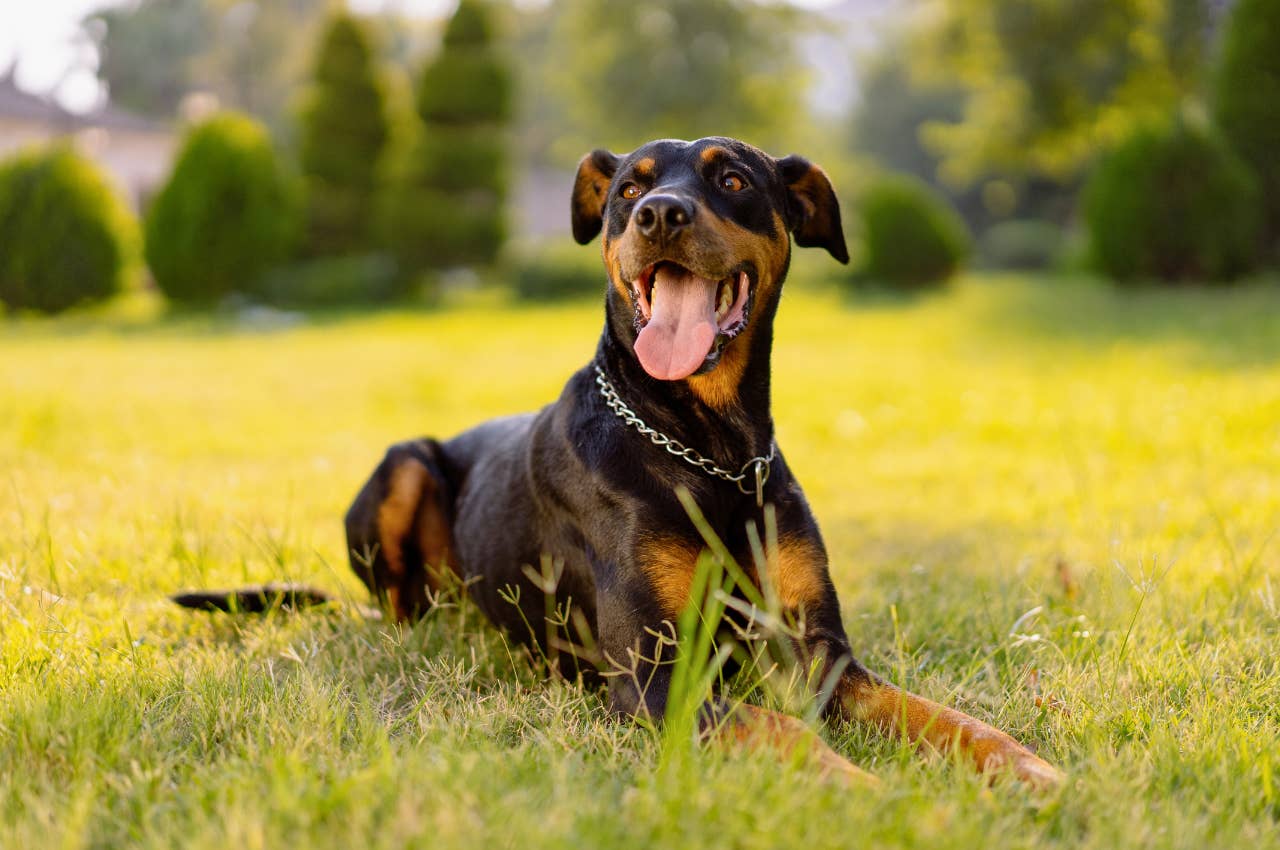
Selecting a black or brown dog involves more than just visual appeal. It requires understanding their needs, temperament, and potential health considerations to ensure a harmonious relationship. Proper care and attention will allow these unique coats to shine and keep your canine companion happy and healthy.
In this section, we’ll explore practical steps for choosing, training, and maintaining black and brown dog types in your home. From researching breed specifics to grooming routines and health care, this guide aims to make the process straightforward yet comprehensive.
Assessing Your Lifestyle and Matching It with the Right Breed
Choosing the ideal black or brown dog starts with an honest assessment of your lifestyle, living situation, and activity level. Not all breeds, even if they share coat colors, are suitable for every owner. For example, high-energy breeds like German Shepherds or Belgian Malinois require ample exercise and mental stimulation, whereas smaller breeds like the Dachshund or certain spaniels may thrive with moderate activity.
Understanding your environment is also crucial. An active family with a backyard may opt for a larger, more energetic breed like a Rottweiler or Labrador, while apartment dwellers may prefer smaller, less active options such as the Miniature Pinscher or the particular brown-coated Dachshund variants.
Considering factors like grooming needs, size, temperament, and health issues linked to specific breeds will help narrow down options effectively. For those interested in aesthetic coherence, selecting a breed that naturally exhibits their preferred black or brown coat color ensures more satisfaction and ease of care.
Grooming and Maintenance of Black and Brown Coated Dogs
Facilitating the flawless appearance of black and brown dog types demands routine grooming tailored to each breed’s coat texture and length. Black coats, especially, benefit from regular brushing to maintain their shine and prevent matting, while brown coats may show dirt and fading more visibly, requiring targeted cleaning routines.
Grooming also involves skin health management. Regular baths, using the right shampoos, help keep coats clean and vibrant, reducing the risk of skin infections. Combing out loose hair minimizes shedding and keeps the coat in prime condition. For breeds with longer hair, trimming and detangling are essential to avoid painful mats that can cause skin issues.
Additionally, attention to the ears, teeth, and nails forms part of a comprehensive grooming routine. Proper care directly impacts the dog’s comfort and appearance and supports early detection of potential health problems related to pigmentation, coat coloration, or breed-specific conditions.
Nutrition and Exercise Tips for Optimal Coat Health
The health of the coat significantly reflects the overall well-being of a dog. Proper nutrition—rich in omega-3 and omega-6 fatty acids—can enhance the shine, color vibrancy, and texture of black and brown dog types. Feeding high-quality dog food formulated for their age, size, and activity level ensures they get the necessary nutrients.
Exercise is equally vital. Active breeds like Dobermans, Belgian Malinois, or athletic brown-coated breeds require consistent physical activity to maintain their health, reduce stress, and promote a glossy coat. Regular walks, mental stimulation, and engaging playtime contribute positively to the dog’s physical and mental state, directly impacting coat quality.
In sum, the care for black and brown dog types involves attentive grooming, tailored nutrition, and appropriate exercise routines. When combined, these elements promote a radiant coat, good health, and a happy, energetic companion.
FAQs About Black and Brown Dog Types
What are the most popular black and brown dog breeds?
The most popular breeds exhibiting black and brown coat colors include the Rottweiler, Doberman Pinscher, Belgian Malinois, German Shepherd, Dachshund, and Boxer. Each breed offers unique personality traits, making them suitable for various lifestyles and preferences. Their striking coat colors, combined with their temperament and intelligence, contribute to their widespread appeal.
Are black and brown coats more prone to health issues?
Coat color itself does not directly cause health problems; however, certain breeds with specific coat colors can carry genetic predispositions. For example, some black-coated breeds like the Doberman may be prone to certain heart or skin issues, while brown-coated breeds might have specific genetic conditions. Regular veterinary check-up, genetic testing, and early intervention are essential for maintaining optimal health regardless of coat color.
How do I maintain the vibrancy of black and brown coats?
Maintaining vibrancy starts with proper grooming—regular brushing, baths with suitable shampoos, and avoiding harsh chemicals. Diet plays a vital role; including omega fatty acids enhances coat brightness and health. Avoiding excessive sun exposure can prevent fading of the coat color, especially for brown coats, which may be more susceptible to sun damage.
Can mixed breeds have similar black and brown coat colors?
Yes, many mixed breeds exhibit combinations of black and brown coloration due to their diverse genetic backgrounds. These dogs can benefit from the best traits of each parent breed, including personality and health advantages. When choosing such dogs, understanding their lineage helps anticipate their care needs and temperament.
Is there a difference in grooming needs between black and brown coated dogs?
Grooming needs can differ based on coat length and texture rather than color alone. Generally, black coats may require more frequent brushing to maintain shine, as dirt and allergens tend to be more noticeable. Brown coats often show dirt more easily, demanding regular cleaning to stay vibrant. Consulting breed-specific grooming guides ensures proper care tailored to your dog’s coat type.
Conclusion
In conclusion, black and brown dog types are among the most visually striking and diverse groupings of canine companions, each with its own history, personality, and care requirements. From their origins rooted in ancient breeding practices to their modern-day popularity across various roles—from loyal family pets to working dogs—their beauty is matched only by their complexity. Choosing the right breed or mix depends heavily on understanding these factors, along with diligent grooming, proper nutrition, and tailored exercise routines. Investing time in understanding these magnificent black and brown dog types ensures a rewarding relationship filled with companionship, joy, and mutual health. Whether seeking a sleek, protective guard or a cheerful, affectionate pet, exploring these color varieties opens a world of wonderful possibilities for dog lovers worldwide.
