

Dog
Exploring the Diverse World of Service Dogs – Types of Service Dogs and How They Help

Apr
Service dogs are invaluable companions that provide essential support and independence for individuals with disabilities. The world of service dogs is vast and varied, encompassing different types tailored to meet specific needs. Understanding the various types of service dogs not only highlights their importance but also aids prospective owners in making informed decisions about their assistance options. In this article, we will delve into the different types of service dogs, how they are trained, benefits, limitations, and tips for those considering integrating such incredible animals into their lives.
Who Are the Different Types of Service Dogs?
The types of service dogs are categorized based on the specific needs they address and the tasks they are trained to perform. These animals are more than just companions; they are trained professionals that assist individuals through various tasks that mitigate their disabilities. Each type is trained to provide particular support that enhances quality of life and fosters independence.
Understanding the different types of service dogs provides clarity on how these animals serve diverse disabilities, from physical impairments to cognitive and emotional challenges. These dogs are trained with careful precision and tailored techniques that align with the unique needs of their handlers.
The broad spectrum of service dogs includes guide dogs for the visually impaired, mobility assistance dogs, medical alert dogs, psychiatric service dogs, and more. Each plays a vital role in empowering their owners to navigate life safely and confidently. Let’s explore each type of service dog in detail to understand their roles and the immense value they bring.
Guide Dogs for the Visually Impaired
Guide dogs are arguably the most well-known types of service dogs. These dogs are specially trained to assist individuals who are blind or have severe visual impairments, guiding them safely through various environments and helping them avoid obstacles.
Guide dogs undergo rigorous training to navigate complex environments, respond to commands, and maintain focus amid distractions. Their primary role is to serve as a person’s eyes, but they are also trained to assess sidewalks, curbs, stairs, and traffic signals—ensuring their owners’ safety.
Beyond navigating physical barriers, guide dogs provide emotional support and boost confidence. The bond between a handler and their guide dog often transcends simple assistance, creating a mutual trust that helps individuals regain independence. These dogs are trained from a young age, often beginning their training while still puppies, to accommodate the specific needs of each handler.
Mobility Assistance Dogs
Mobility assistance types of service dogs are trained to support individuals with physical disabilities that impact their movement, strength, or coordination. They are invaluable for those who struggle with balance, lifting, or walking due to conditions like muscular dystrophy, multiple sclerosis, or amputations.
These dogs help their owners by retrieving objects, opening doors, turning on lights, and providing stability while walking. Their training involves precise commands and tasks that enable the handler to perform daily activities more comfortably. These types of service dogs are often larger breeds, such as Labrador Retrievers or German Shepherds, due to their strength and endurance.
The training process emphasizes not only physical tasks but also the dog’s ability to remain calm in crowded or noisy environments, which can be critical for users with additional sensory sensitivities. As a result, mobility assistance dogs become indispensable members of their handler’s support system, enhancing independence and confidence.
Medical Alert and Response Dogs
Medical alert and response types of service dogs are trained to detect and respond to specific medical conditions, such as seizures, hypoglycemia, or severe allergic reactions. These dogs provide their handlers with early warnings, sometimes even before symptoms become apparent, allowing for timely intervention.
The training for these dogs involves sophisticated scent detection techniques or behavioral cues linked to medical emergencies. For instance, a seizure alert dog might detect changes in body odor or behavior that precede an episode, alerting the handler or alerting others to seek help.
These dogs are vital for individuals with unpredictable or life-threatening conditions, acting as safety partners that can alert caregivers or initiate specific response tasks, such as fetching medication or activating emergency alarms. Their work significantly reduces the risk of injury or fatal complications, offering peace of mind to those they serve.
Psychiatric Service Dogs
Psychiatric types of service dogs are trained to assist individuals with mental health disorders such as post-traumatic stress disorder (PTSD), depression, anxiety, or panic attacks. These dogs are highly intuitive, often recognizing minute changes in behavior or mood and intervening to de-escalate crises.
Their roles include providing deep pressure therapy during panic attacks, creating a calming presence, and interrupting negative thought patterns or behaviors. They can be trained to remind their handlers to take medication, perform grounding exercises, or seek help.
Psychiatric service dogs often undergo specialized training to discern the needs of their handlers amid emotional or psychological disturbances. Their companionship not only offers practical assistance but also emotional stability, reducing feelings of isolation and vulnerability.
Autism Assistance Dogs
The types of service dogs designed for individuals with autism focus on providing safety, emotional support, and communication aid. These dogs help reduce anxiety, prevent elopement, and assist with behavioral issues by offering a calming presence.
Autism assistance dogs are trained to recognize signs of distress, guide children or adults in public spaces, and provide sensory comfort. Their trained behaviors include gentle physical prompts, blocking unsafe behaviors, and creating a physical barrier in crowded environments to prevent wandering.
The bond formed between an autism assistance dog and the handler can be transformative. These dogs foster independence and confidence, offering a sense of security and connection that significantly improves the quality of life for individuals with autism.
How Are the Different Types of Service Dogs Trained?
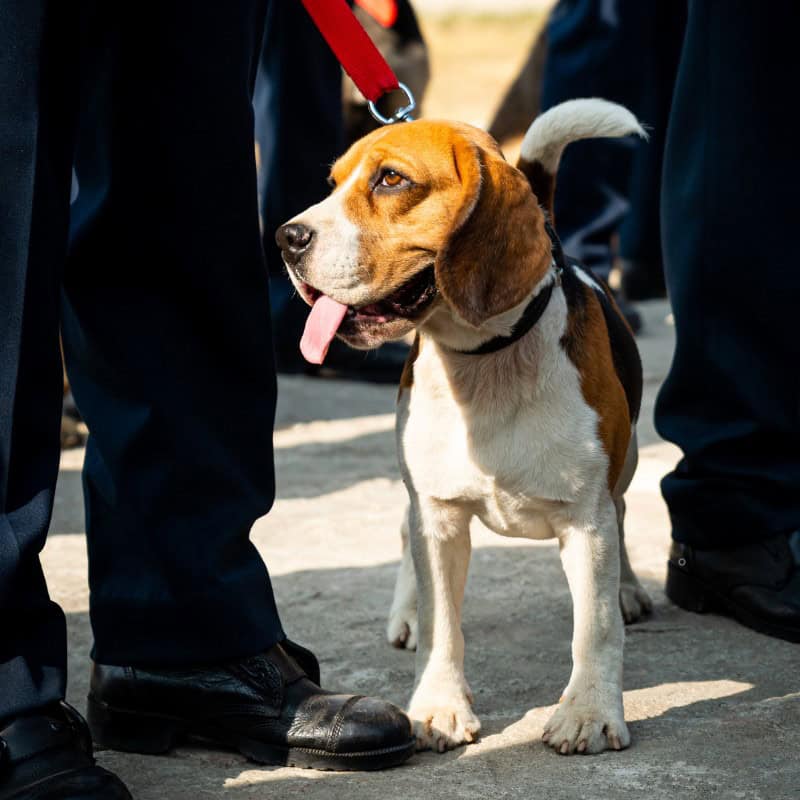
Preparation is fundamental to the effectiveness of types of service dogs. The training process varies greatly depending on the specific needs they are designed to address and the tasks they need to perform. This involves a combination of basic obedience, task-specific training, and socialization skills, often conducted over many months to several years.
The training generally begins early in a dog’s life, with puppies undergoing basic socialization and obedience exercises. As they grow, they are introduced to specialized tasks and environments that simulate real-world scenarios. These training sessions emphasize consistency, patience, and positive reinforcement to develop reliable and confident service animals.
The training of types of service dogs is highly personalized. It involves assessment of the handler’s individual needs, environment, and lifestyle. Public access training is crucial, enabling the dog to behave appropriately in crowded settings, public transportation, medical facilities, and private homes. The objective is to produce a well-rounded, adaptable, and obedient service dog capable of functioning in diverse situations.
The Role of Professional Trainers
Professional trainers with expertise in assistance dog training are essential in developing effective types of service dogs. They employ methods that ensure the dogs are reliable, well-mannered, and responsive to the handler’s cues. Trainers also focus on socialization to ensure dogs interact calmly with the public and other animals.
Training involves shaping behaviors through positive reinforcement, where desirable behaviors are rewarded and undesirable ones are discouraged without punishment. Trainers carefully evaluate each dog’s temperament and adapt their methods accordingly, ensuring dogs are comfortable and confident in their roles.
The collaboration between trainers, handlers, and organizations ensures types of service dogs are properly prepared before entering service. Ongoing training and reinforcement are also necessary to maintain high standards of performance. This dedicated process ensures each dog can serve effectively and respectfully in public settings and perform their tasks reliably.
Challenges in Training and Certification
Training types of service dogs entails navigating various challenges, from behavioral issues to environmental distractions. Ensuring the dog maintains focus, responds reliably, and behaves appropriately in public is complex and time-consuming. Trainers must address multiple variables—temperament, health, and handler compatibility.
Certification is a critical part of the process, verifying that the dog has met specific standards for task performance and public access. While certification requirements vary by region, the goal remains consistent: to demonstrate that the dog’s training is comprehensive and that they adhere to behavioral expectations. This certification helps handlers access public spaces without discrimination.
Despite rigorous training, challenges such as handler-dog communication issues or environmental stressors can arise. Overcoming these hurdles requires ongoing education and reinforcement from both trainers and owners. Recognizing these challenges fosters better understanding and promotes the responsible use of service dogs.
Pros and Cons of Using Different Types of Service Dogs
The benefits of types of service dogs are profound—they enhance independence, safety, and emotional well-being. However, they also come with limitations, responsibilities, and considerations that potential owners must evaluate carefully.
Understanding the advantages and potential drawbacks helps prospective handlers make informed decisions that align with their needs and lifestyle.
Benefits of Different Types of Service Dogs
Service dogs are remarkable for their ability to perform specific tasks that remove barriers for individuals with disabilities. They foster independence, reduce reliance on caregivers, and promote social interaction by integrating seamlessly into daily routines.
The companionship provided by these animals also boosts mental health, alleviating feelings of isolation or anxiety. Their training ensures they are well-behaved and dependable, which is crucial for safety in public environments. For many, types of service dogs are life-changing assets that redefine what it means to live with a disability.
Furthermore, these dogs not only assist with practical needs but often serve as emotional anchors, providing comfort in stressful situations. They build trust and responsibility, encouraging handlers to engage more fully with life’s opportunities. Their presence is often a beacon of hope and resilience in difficult circumstances.
Limitations and Challenges
Despite their many benefits, types of service dogs are not a panacea. They require extensive training, ongoing care, and a significant financial investment. Not everyone is suited to owning a service dog, as they demand time, patience, and consistency from their handlers.
Health issues in the dog, such as aging or illness, can impact their ability to perform tasks, leading to potential safety concerns. Additionally, integrating a service dog into everyday life requires adjustments in routines, social interactions, and living arrangements.
There are also societal and legal challenges, including issues of access and understanding, as not all establishments or individuals recognize or respect service dog rights. Owners must be prepared to advocate for their types of service dogs and educate others about their significance.
Ethical Considerations and Responsibilities
Owning a type of service dog entails ethical responsibilities, including ensuring the animal’s well-being, training with kindness, and respecting public access laws. Proper care and maintenance, such as regular Veterinary visits and grooming, are crucial to keep these animals healthy and effective.
Handlers must also be committed to proper training and socialization, recognizing the importance of the types of service dogs in enhancing their quality of life. Transparency about the dog’s role and behavior helps foster public understanding and acceptance.
Balancing the needs of the handler with the well-being of the dog is paramount. Ethical ownership involves providing a safe, healthy, and loving environment for these extraordinary animals, honoring their dedication and service.
Alternatives to Traditional Service Dogs
While types of service dogs are invaluable, they are not always accessible or feasible for everyone. Exploring alternatives can provide individuals with similar benefits when a traditional service dog isn’t an option.
Assistive technology, robotic aids, and other support systems have evolved to meet diverse needs. These options might include wearable devices, alert systems, or mobility aids that compensate for certain tasks performed by service dogs.
Such alternatives can be beneficial for those with specific needs, offering independence without the responsibilities associated with caring for a live animal. They can also be more affordable or practical depending on the individual’s circumstances.
However, alternatives may not fully replicate the companionship, sensory support, and intuitive assistance provided by trained service animals. Understanding the scope and limitations of these options helps in making a balanced decision that enhances quality of life while respecting personal preferences.
Technological Support Devices
Advances in technology have resulted in a variety of devices designed to aid individuals with disabilities. For example, GPS navigation systems, alert watches, and automated emergency response systems help replace certain types of service dogs—especially in terms of navigation and safety alerts.
These devices are often customizable, providing tailored alerts for specific medical conditions or safety features. They are discreet and can be used alongside other support methods, making them accessible solutions for a broad range of users.
While these technological options offer convenience and independence, they lack the emotional connection and adaptive intuition present in types of service dogs. They are best used as supplementary tools rather than complete replacements for the holistic support that trained animals provide.
Support System Alternatives
Community support programs, peer networks, and human-assisted services can also serve as alternatives to types of service dogs. Companion services, home health aides, or support groups offer social and practical assistance that complements or substitutes animal assistance.
These alternatives often require a more extensive network of people and resources but can be more flexible or adaptable depending on individual needs. They also remove some responsibilities linked to caring for an animal, such as feeding, grooming, and health maintenance.
Types of Service Dogs
Understanding the various types of service dogs involves recognizing the specific tasks they are trained to perform and the disabilities they assist. Each type is tailored to meet unique needs, highlighting the versatility and specialized training these remarkable animals undergo. Whether they provide physical support, sensory alert, or emotional comfort, their roles are foundational in enhancing the lives of their handlers. This section explores the broad categories of service dogs, shedding light on their distinctive functions and how they serve diverse populations.
Service dogs are categorized based on the tasks they assist with, related to disabilities such as mobility issues, sensory impairments, and psychiatric conditions. The adaptability of these animals makes them indispensable for individuals seeking independence and safety. The complexity of designing training programs tailored to each dog’s specific role emphasizes their importance in contemporary disability support systems. Moreover, understanding these categories fosters awareness and respect for the dedicated training that transforms ordinary dogs into life-changing service animals.
The landscape of types of service dogs is dynamic, influenced by advancements in training methods and a deeper appreciation of individual needs. This ongoing evolution aims to improve accessibility and effectiveness, ensuring that handlers receive the best possible assistance tailored to their challenges.
Guide Dogs for the Visually Impaired
Guide dogs are specifically trained to assist individuals who are blind or have severe visual impairments. These dogs help navigate complex environments, alert handlers to obstacles, and lead them safely through crowded or unfamiliar places. They are integral to fostering independence, enabling visually impaired individuals to travel confidently and with minimal assistance.
Guide dogs are meticulously selected for their temperament, intelligence, and trainability. The training process for guide dogs involves teaching them to recognize hazards, follow commands precisely, and adapt to the handler’s pace and style. Their training extends beyond obedience, focusing on developing a deep bond and intuitive understanding between the dog and handler.
Most importantly, guide dogs serve as emotional anchors, providing comfort and confidence in challenging situations. The partnership formed is built on mutual trust and respect, which significantly impacts the handler’s quality of life. Analyzing the role of guide dogs underscores the importance of specialized training and the profound societal contribution these animals make toward disability inclusion.
Hearing and Signal Dogs
Hearing dogs are trained to assist individuals who are deaf or hard of hearing by alerting them to important sounds in their environment. These sounds can include doorbells, alarms, phone rings, or even a baby crying, which are vital cues often missed by their handlers voluntarily. Signal dogs perform this task discreetly, often nudging or pawing the handler to alert them to an acoustic signal, thereby bridging communication gaps.
What makes types of service dogs like hearing dogs truly admirable is their ability to reduce environmental risks and foster independence. Their training involves not only recognizing the sounds but also understanding the importance of timely alerts and maintaining reliability in various settings. Such dogs often develop a keen sensitivity to subtle cues, making them invaluable for daily safety and autonomy.
From a personal perspective, the bond between handler and signal dog transcends simple task performance; it builds trust and reassurance. The emotional security provided by this type of service dog can drastically improve the handler’s confidence and participation in social activities. Their role highlights how training and temperament are crucial for these animals to perform functions that are both practical and deeply rooted in providing peace of mind.
Psychiatric Service Dogs
Psychiatric service dogs assist individuals with mental health disorders such as anxiety, depression, PTSD, and other emotional challenges. These dogs are trained to perform specific tasks like interrupting harmful behaviors, providing tactile stimulation during anxiety attacks, or retrieving medication. Their role is vital for promoting emotional stability and resilience.
The training for psychiatric service dogs involves understanding complex behavioral cues and responding appropriately to their handler’s mental state. Such dogs often need to adapt swiftly to unpredictable situations, showcasing a high level of intelligence and empathy. Their presence is not merely therapeutic but instrumental in managing symptoms that interfere with daily living.
From a personal insight, psychiatric service dogs offer a sense of grounding and safety. Their intuitive support helps handlers regain control over their emotional responses, fostering autonomy and reducing reliance on external interventions. These types of service dogs exemplify the profound impact animals can have on mental health and the importance of compassionate, specialized training programs.
Mobility Assistance Dogs
Mobility assistance dogs are bred and trained to support individuals with physical disabilities affecting movement, such as amputations, spinal cord injuries, or neurological conditions. They help with tasks like opening doors, pulling wheelchairs, retrieving objects, and balancing to prevent falls. These dogs significantly improve independence, safety, and confidence in daily activities.
The training process involves teaching the dog to perform tasks that directly alleviate mobility impairments, often tailored to the specific needs of the handler. These types of service dogs are also trained to behave calmly in public, demonstrate appropriate crowd behavior, and respond reliably to commands. Their ability to perform complex physical tasks underscores their importance in reducing the burden of disability.
From an analytical perspective, the role of mobility assistance dogs emphasizes the integration of behavioral training with physical task performance. Their utility extends beyond mere task completion; they act as partners in life, sharing in challenges and triumphs. Recognizing their training and capabilities highlights how these animals serve as powerful tools for fostering independence and dignity for people with mobility impairments.
FAQs about Types of Service Dogs
What qualifications are needed for a dog to be classified as a service dog?
To qualify, a dog must undergo specialized training to perform tasks that mitigate a disability’s effects. The training emphasizes obedience, reliability, and responsiveness to commands, ensuring the dog can safely assist in various settings.
Can any dog become a service dog?
Not all dogs are suitable for service work. Ideal candidates are typically intelligent, calm, and adaptable. Breeds like Labrador Retrievers, Golden Retrievers, and Border Collies are common choices due to their temperament, but any breed can qualify if they meet training and behavioral criteria.
Are service dogs protected by law?
Yes, under laws such as the Americans with Disabilities Act (ADA), service dogs are granted access to public places, housing, and transportation. Owners have the right to be accompanied by their trained types of service dogs in most settings, provided the dog behaves properly.
How do service dogs differ from emotional support animals?
Service dogs are specifically trained to perform tasks related to a disability, while emotional support animals offer comfort but are not trained for specific tasks. The legal protections and public access rights differ significantly.
What happens if a service dog is not well-behaved in public?
A type of service dog must be well-trained and under control at all times. If a dog behaves disrupting or dangerously, the owner may face restrictions or removal from public spaces. Proper training and owner responsibility are critical for maintaining access rights.
Conclusion
Understanding the various types of service dogs reveals their immense contributions to supporting individuals with diverse disabilities. From guiding the visually impaired to assisting those with psychiatric conditions, these animals are trained to perform specialized tasks that promote independence, safety, and emotional stability. Their roles are complemented by the legal protections they enjoy, which facilitate better integration into society but also demand owner responsibility. Whether as guide, signal, psychiatric, or mobility assistance dogs, their presence profoundly transforms lives, making it essential to appreciate the training, ethics, and unique skills that define each category. Recognizing their capabilities fosters greater empathy and respect, ensuring these extraordinary animals continue to serve with dignity and dedication.
English language.
