

Dog
Exploring the Different Types of Police Dogs – Their Roles, Training, and Benefits

Apr
When it comes to maintaining public safety, law enforcement agencies rely heavily on specialized animals—particularly police dogs. These remarkable canines are trained to perform a myriad of tasks that assist police officers in their daily duties. The types of police dogs are diverse, each suited to specific roles that make law enforcement more effective and efficient. Understanding these different types helps appreciate their importance in crime prevention, detection, and officer safety.
This article provides a comprehensive overview of the types of police dogs, exploring their roles, training processes, advantages, and alternatives. Whether you’re a police officer, a pet enthusiast, or simply curious about the work these dogs do, this guide aims to offer valuable insights into the fascinating world of police canines.
Who Types of Police Dogs – An Overview of the Main Categories

Policing requires specialized skills, which different dog breeds are uniquely suited to fulfill. Each type of police dog is trained for specific tasks—be it tracking suspects, detecting narcotics, or searching for explosives. The selection of a particular dog breed for a law enforcement role depends on its innate abilities, temperament, and physical characteristics.
Understanding the various types of police dogs begins with knowing the core categories based on their primary functions. These roles include search and rescue, detection, patrol, and apprehension. Each category has its own set of breeds and training requirements, making these dogs versatile tools in law enforcement. As we explore further, you’ll see how effective each type of police dog is in its designated role.
Working Dogs – The Essential Pillars of Law Enforcement
Working dogs are the backbone of police canine units. They are specifically trained for tasks that require strength, agility, and keen sensory perception. These types of police dogs often have a deep bond with their handlers, which enhances their performance and reliability.
Working dogs are typically selected from breeds with strong drive, intelligence, and stamina. They undergo rigorous training that includes obedience, agility, scent work, and scenario-based exercises. Their primary goal is to serve as a reliable partner who can perform under pressure, often saving lives in dangerous situations.
The effectiveness of working dogs lies in their ability to adapt quickly to dynamic environments. Whether navigating through urban landscapes or rugged terrains, these dogs are trained to follow commands precisely and make independent decisions when needed. Their contribution to law enforcement cannot be overstated as they embody strength, loyalty, and intelligence.
Detection Dogs – Masters of Scent and Sensory Precision
Detection dogs are trained to identify specific substances such as narcotics, explosives, or even certain biological materials. Their heightened sense of smell makes them invaluable in the fight against crime. This type of police dog specializes in sniffing out hidden contraband, assisting bomb squads, and conducting searches at large events or border crossings.
Detection work relies on positive reinforcement training, where the dog learns to associate particular scents with rewards. This process can take several months, but the result is a highly skilled canine capable of finding even minute traces of target substances. Their keen olfactory capabilities are unparalleled—up to 100,000 times more sensitive than humans.
The use of detection dogs in security measures dramatically increases the effectiveness of searches without invasive procedures, making them indispensable tools in modern law enforcement. Their training emphasizes patience, consistency, and attention to detail, traits that distinguish them from other types of police dogs.
Patrol and Apprehension Dogs – Protectors on the Front Lines
The patrol and apprehension type of police dog is often seen in action during police chases and to secure crime scenes. These dogs are trained to protect their handlers while simultaneously pursuing and restraining suspects. Their role is critical in ensuring officer safety and facilitating the apprehension process.
Patrol and apprehension dogs undergo specialized training that includes bite work, obedience, command recall, and agility drills. They are often equipped with protective gear and are familiarized with various urban and rural environments to perform effectively in different conditions. These breeds are chosen for their confidence, territorial instincts, and natural herding or guarding traits.
One of their key features is their ability to respond immediately to commands, often requiring split-second decisions. Their presence alone can deter crime and manage potentially violent situations. These types of police dogs exemplify courage, loyalty, and tactical precision, making them indispensable components of police units.
How to Select and Train the Different Types of Police Dogs
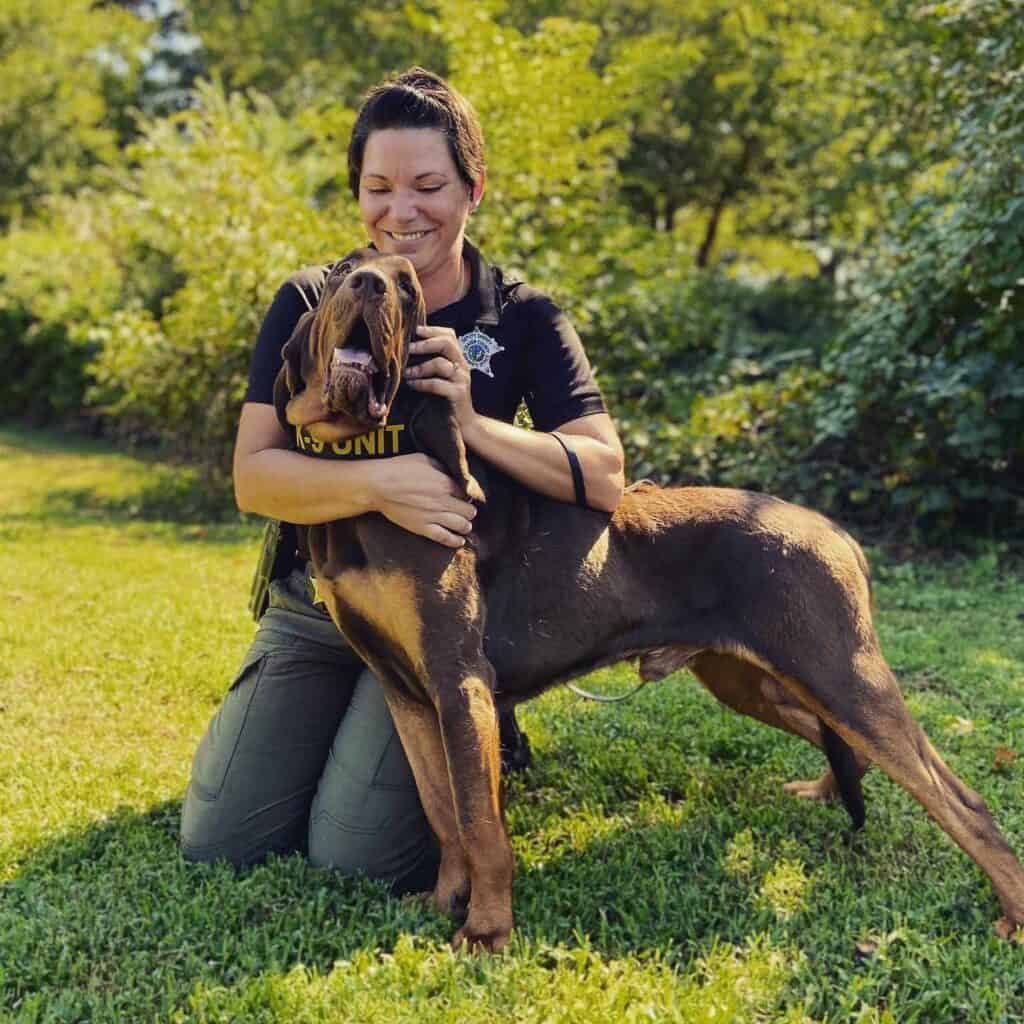
Choosing the right type of police dog involves careful assessment of the specific needs of law enforcement tasks. Factors such as temperament, physical ability, and background are considered during selection. Once the appropriate breed is identified, a comprehensive training program begins, usually lasting several months to years.
Training involves socialization, obedience, scent detection, bite work, and scenario-based exercises. Handlers must develop a strong bond with their canine partner, built through consistent training and positive reinforcement. Moreover, ongoing training is crucial to maintain and enhance a police dog’s skills throughout their service life.
Successful training also depends on understanding each type of police dog’s psychological needs. For example, detection dogs require patience and consistency, while patrol dogs need confidence and quick decision-making skills. Proper conditioning, regular health checks, and mental stimulation help ensure these dogs perform at their best in demanding situations.
Step-by-Step Process for Training Police Dogs
The process begins with selecting a suitable breed based on the specific role. Following this, puppies or young dogs receive initial socialization to diverse environments and people, which is fundamental in developing a balanced temperament.
Next, basic obedience commands such as sit, stay, and come are instilled. As the dog progresses, more specialized training begins—such as scent discrimination for detection dogs or bite-and-hold techniques for apprehension units. Training sessions are conducted in controlled environments before progressing to real-world scenarios, including urban and wilderness settings.
Ongoing assessment and reinforcement ensure that police dogs maintain high levels of skill and reliability. The training process is reinforced with rewards, praise, and consistent practice, fostering a strong trust relationship between the dog and handler. This step-by-step method ensures the types of police dogs are prepared for their crucial roles.
Tips for Successful Training and Maintenance
Training police dogs requires patience, consistency, and a deep understanding of canine behavior. Building a positive relationship between handler and dog is essential; this trust translates into more reliable performance during operations.
Consistency in commands and routines helps the dog understand expectations and reduces confusion. Using positive reinforcement techniques—such as treats, praise, or play—encourages desired behaviors and fosters motivation. Regular exercise and mental stimulation are equally important to prevent boredom and stress.
Maintenance of skills involves periodic refresher courses, health check-ups, and controlled socialization exercises. Proper diet, grooming, and medical care contribute to a healthy, energetic partner. Recognizing signs of fatigue or discomfort early can prevent training setbacks, ensuring the longevity and efficiency of a police canine unit.
FAQs about the Different Types of Police Dogs
What is the most common breed used as a police dog?
Belgian Malinois and German Shepherds are the most common breeds used in police work due to their intelligence, agility, and trainability.
How long does it take to train a police dog?
The training process generally takes between 6 months to 2 years, depending on the type of police dog and its specific role.
Are police dogs used for search and rescue?
Yes, some police dogs are specifically trained in search and rescue operations, especially those with strong tracking and scent detection skills.
Can police dogs be retired?
Yes, police dogs typically retire after 8-10 years of service. They are often adopted by their handlers or other families, provided they are still healthy.
How do police dogs detect explosives?
Detection dogs are trained to recognize specific explosive scents and respond with alert behaviors when they find traces, improving safety and security in various environments.
Conclusion
The types of police dogs are diverse but equally vital in maintaining law enforcement objectives. From working and detection dogs to patrol and apprehension units, each dog breed is selected and trained for specific roles, bringing extraordinary skills, loyalty, and bravery to their handlers. Proper training, maintenance, and understanding of these roles ensure their maximum effectiveness. As technology advances, these remarkable animals continue to complement human efforts, safeguarding society while exemplifying the incredible bond between humans and canines.
