

Dog
Discovering the Charm – Types of White Dogs That Capture Hearts Worldwide

Apr
White dogs have a timeless appeal that combines elegance, purity, and a touch of mystique. Whether they’re small companions or majestic regal breeds, the types of white dogs encompass a broad spectrum of personalities, appearances, and temperaments. This diversity makes them a favorite among dog lovers seeking a loyal, charming, and visually stunning pet. In this article, we explore various types of white dogs, their unique characteristics, and practical insights to help you make informed decisions about welcoming these beautiful creatures into your home.
The phrase “types of white dogs” refers to the various breeds and breeds’ variations that feature predominantly white coats. Understanding these distinctions can enhance your appreciation of each breed’s uniqueness and suitability for your lifestyle.
A Wide World of White Canines – Exploring Different Types of White Dogs

The world of white dogs is incredibly diverse, comprising breeds that range from playful and energetic to calm and regal. These breeds often carry a selection of traits, making each one a potential perfect match depending on individual preferences and living conditions. From tiny lap dogs to large protective breeds, the types of white dogs offer something for everyone. Understanding their origins, traits, and needs can help future owners make the best choices. Let’s delve deeper into some of the most iconic and beloved types of white dogs.
The breeds mentioned span a spectrum in size, temperament, grooming needs, and historical significance, and exploring their differences helps in selecting the perfect pet for a contributing function in your life.
The Regal Samoyed – An Icon of Happiness and Elegance
The Samoyed is renowned for its stunning white coat, fluffy appearance, and cheerful demeanor. Originating from Siberia, these dogs were traditionally used for herding reindeer and pulling sleds, a testament to their endurance and strength.
Their beautiful coats are a signature feature, often requiring regular grooming to maintain their pristine appearance. Despite their fluffy exterior, Samoyeds are highly energetic and intelligent, thriving in environments where they receive ample mental and physical stimulation.
What truly sets the Samoyed apart is their gentle, friendly nature. They are excellent family dogs, especially with children, thanks to their playful and affectionate temperament. Their distinctive “smile” adds to their charm, making them a favorite for personalities that value both beauty and companionship. Because of their high grooming needs, owners must be prepared to commit to regular brushing and professional grooming sessions.
The Elegant Maltese – A Small yet Majestic White Companion
The Maltese is a tiny breed that has captured hearts for centuries, celebrated for its luxurious white coat and vivacious personality. With origins dating back over 2,000 years to the Mediterranean, this breed is steeped in history and royalty.
Their graceful stature and flowing coat give the Maltese an air of aristocracy, but beneath this regal exterior is a lively, intelligent dog eager to interact with its owner. This breed is highly adaptable, fitting comfortably in apartment living or larger homes, provided their social needs are met.
Despite their small size, Maltese dogs are known for their fierce loyalty and playful spirits. Their grooming needs are significant; regular brushing prevents mats and keeps their coat looking elegant. Their friendly, engaging personality makes them excellent companions for singles, families, or seniors looking for a lively, affectionate pet.
The Versatile Bichon Frisé – A Curly White Charmer
The Bichon Frisé is a delightful breed characterized by its curly white coat and infectious personality. Originating from the Mediterranean, this breed has become popular worldwide because of its cheerful attitude and adaptability to various lifestyles.
Their distinctive curly fur requires consistent grooming to prevent tangles and maintain their plush appearance. The Bichon is equally comfortable in a busy household or a quieter setting, thriving on companionship and social engagement.
Known for being affectionate and sociable, Bichons tend to get along well with children and other pets. Their playful and intelligent nature makes training enjoyable but sometimes challenging, as they can be sensitive to correction. The breed’s energetic, friendly temperament makes them ideal for those seeking an amicable, lighthearted companion who always seems to have a smile on their face.
From Origins to Practicalities – How to Care for Different Types of White Dogs
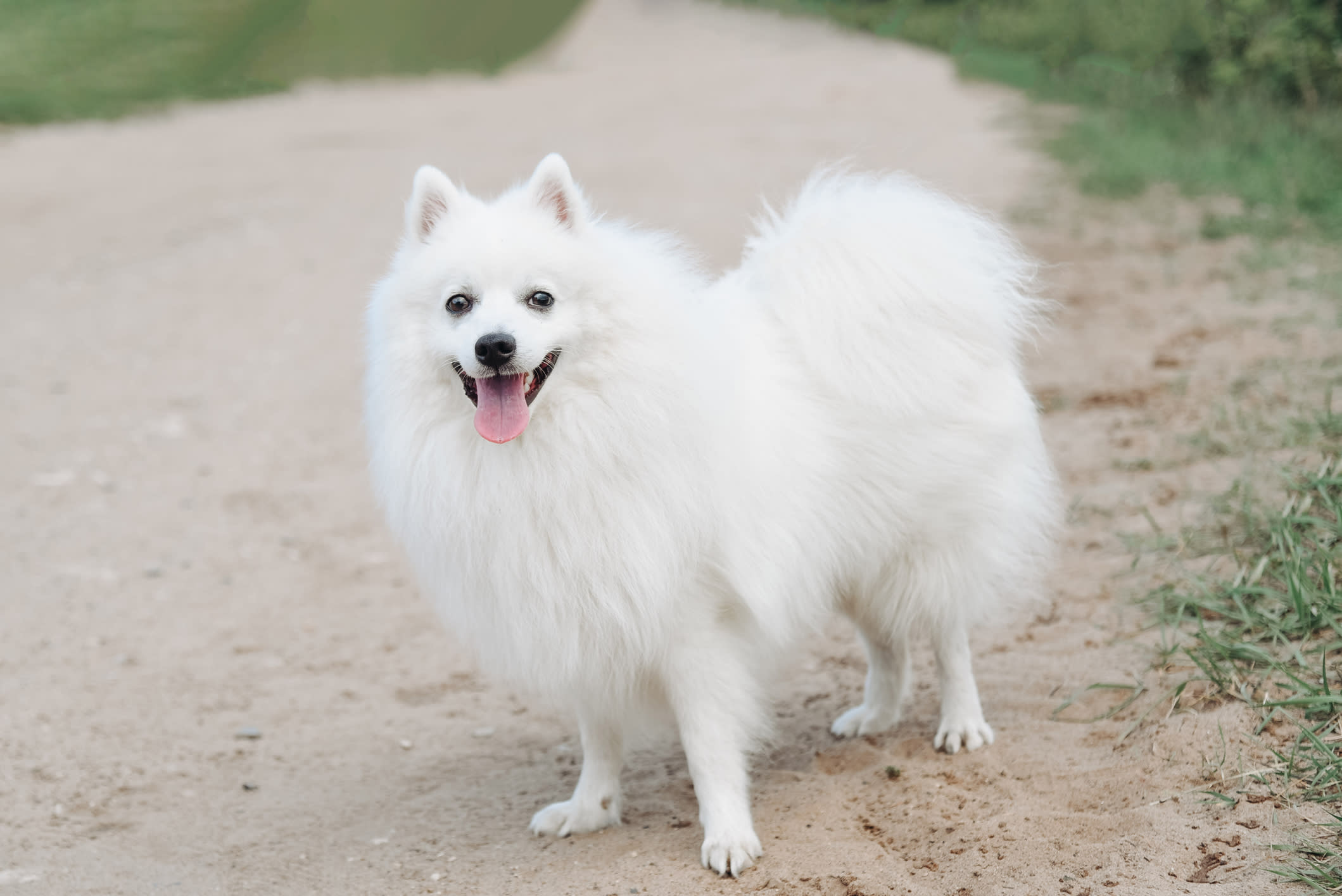
Caring for white dogs, regardless of breed, comes with unique responsibilities aimed at preserving their health and appearance. Many of these breeds, especially those with longer coats, require specific grooming routines, diet considerations, and exercise regimens to remain happy and healthy. Factors such as climate and living space significantly influence how well you can meet these needs.
Understanding the natural history and traits of each breed can help prospective owners anticipate the care demands and tailor their routines accordingly. Regular grooming, balanced diet, exercise, and mental stimulation are central to their well-being. Education about breed-specific needs ensures that the charm of these types of white dogs remains intact while also fostering a strong, mutually rewarding relationship built on trust and understanding.
Grooming Needs for White-Coated Breeds
The distinguishing feature of many white dogs is their pristine coat, which often requires meticulous grooming. Breeds like the Samoyed and Maltese have long, flowing hair that can mat easily if neglected, necessitating daily brushing and regular trims to maintain their signature appearance.
Grooming routines do more than just keep the dog looking good; they prevent skin issues, reduce shedding, and help owners spot early signs of health concerns, such as skin irritation or parasitic infestations. For breeds with curly or dense coats, professional grooming services can be invaluable. In addition, proper bathing using gentle, breed-specific shampoos can help preserve their white coat’s brightness and health.
Nutrition and Dietary Considerations
White dogs, especially those with high energy levels like the Bichon Frisé and Samoyed, benefit from a balanced diet rich in essential nutrients. Their dietary needs vary depending on age, size, and activity level, but high-quality dog foods that support skin and coat health are generally recommended.
Protein is vital for maintaining muscle tone, while omega fatty acids contribute to a shiny, healthy coat. Some breeds may be prone to allergies, meaning dietary choices should exclude potential irritants. Regular vet checkups play a crucial role in tailoring the diet to individual health needs, ensuring these beautiful types of white dogs stay vibrant and robust.
Exercise and Mental Stimulation
While some white breeds are active and require vigorous exercise—like the Samoyed—others such as the Maltese enjoy more moderate activity levels. Regardless, all benefit from regular walks, playtime, and mental stimulation to prevent boredom and behavioral issues.
For breeds with high intelligence and energy, like the Bichon Frisé, puzzle toys, obedience training, and interactive games are beneficial. Proper exercise routines support their physical health and promote mental well-being, ensuring these types of white dogs remain healthy and happy.
Pros and Cons of Owning Different Types of White Dogs
Choosing a white dog breed involves weighing various advantages and disadvantages based on personality, grooming needs, activity level, and compatibility with your environment. Understanding these pros and cons can help make more informed decisions and manage expectations about pet ownership.
White breeds are often admired for their stunning appearance and friendly temperaments. However, some breeds might present challenges that require commitment, patience, and additional care. The decision should balance personal lifestyle with breed-specific traits to achieve a harmonious relationship.
Benefits of White Dogs
White dogs tend to have a striking, clean appearance that is often associated with elegance and purity. Many breeds are known for their affectionate, loyal, and sociable natures, making them ideal companions for families, singles, and seniors alike. Their generally friendly temperament fosters strong bonds with their owners and makes them excellent therapy or service animals.
Many white breeds are also relatively adaptable to different living environments, from city apartments to large countryside homes, provided their exercise and grooming needs are met. Their bright, cheerful demeanor contributes positively to household dynamics, making them uplifting additions.
Challenges and Considerations
Despite their appealing qualities, white dogs often require more maintenance, particularly in grooming to keep their coats looking pristine. Some breeds, such as the Samoyed and Maltese, need dedicated grooming routines that can be time-consuming and costly.
Additionally, white coats can make shedding or dirt more visible, necessitating meticulous cleanliness and regular bathing. Certain breeds are also prone to skin conditions or allergies that manifest more evidently on white fur, requiring vigilant health monitoring. Lastly, their sensitive nature might make some breeds resistant to harsh training methods, urging owners to adopt patient, positive reinforcement strategies.
Alternatives and Step-by-Step Guide to Choosing the Right White Dog
If after exploring the broad spectrum of types of white dogs, you feel overwhelmed or unsure, several alternatives and approaches can help streamline your decision process. Understanding your lifestyle, preferences, and commitments is crucial when selecting the right breed.
A systematic approach involves researching breed temperaments, grooming needs, and health concerns, then matching these with your capacity to provide proper care. Consulting breeders, rescue groups, and veterinarians can further clarify your options and ensure you find a breed that complements your lifestyle.
For someone considering a white dog, starting with a checklist of traits—such as size, energy level, grooming needs, and temperament—helps narrow choices. Visiting local shelters or breed-specific rescue organizations can also provide opportunities to meet dogs in person and make more informed choices.
Following a step-by-step plan can simplify the process: first, determine your living situation and daily routines; second, identify the breed traits that align with your needs; third, gather information about grooming, dietary, and exercise requirements; and finally, select a reputable source for adoption or purchase. This careful approach ensures a mutually fulfilling relationship rooted in understanding and shared joy.
Tips for Caring for and Loving Your White Dog
Caring for a white dog extends beyond basic needs; it’s a dedication to preserving their health, appearance, and happiness. Developing routines that cater specifically to their breed’s demands can prolong their lifespan and deepen your bond.
Regular grooming is essential to maintain the luminous white coat of these breeds. Combining professional grooming with daily brushing prevents mats and keeps their fur looking immaculate. Investing in gentle grooming products designed specifically for white coats can enhance their brightness and protect against skin irritations.
Nutrition plays a crucial role in their well-being. A balanced diet rich in omega fatty acids, antioxidants, and high-quality protein supports a healthy coat and reduces the risk of skin issues. Pairing a nutritious diet with daily exercise and mental enrichment ensures your white dog remains physically fit and mentally stimulated.
Finally, best practices include providing a safe environment, socialization with other animals and humans, and consistent training rooted in positive reinforcement. Loving and caring for your white dog is a continuous journey that involves understanding their unique needs and creating an environment where they can thrive, ensuring their beauty and spirit remain vibrant for years to come.
FAQs About Types of White Dogs
What are the most popular types of white dogs?
The most popular types of white dogs include the Maltese, Bichon Frisé, Samoyed, West Highland White Terrier, and the American Eskimo Dog. These breeds are appreciated for their distinct appearances and personalities and are often chosen for their beauty and companionship qualities.
Are white dogs prone to skin problems?
Many white dogs are more susceptible to skin irritations, allergies, and sunburns because their pale coats make skin issues more visible. Regular grooming, proper skincare, and early veterinary intervention can help manage and prevent common health concerns linked to their skin.
How much grooming do white dogs require?
Most white breeds, especially those with long or curly hair like the Maltese, Bichon Frisé, and Samoyed, require consistent grooming routines including daily brushing, regular baths, and professional trims. Proper grooming not only keeps them looking beautiful but also promotes healthy skin and coat.
Do white dogs shed a lot?
Shedding varies by breed; for example, the West Highland White Terrier sheds minimally, while the Samoyed sheds heavily seasonally. Regular brushing helps control shedding and keeps their coats clean and manageable.
Can white dogs live in apartments?
Yes, many white breeds such as the Maltese and Bichon Frisé adapt well to apartment living due to their small size and moderate exercise needs. However, breeds like the Samoyed require more space and activity, making them better suited to homes with yards or access to outdoor areas.
Conclusion
The types of white dogs offer a captivating array of options for prospective pet owners, blending remarkable beauty with diverse temperaments and care needs. From the cheerful Samoyed’s fluffy charm to the regal elegance of the Maltese and the playful nature of the Bichon Frisé, each breed brings its own unique flavor to the household. Choosing the right breed involves understanding their grooming requirements, exercise needs, health considerations, and how well they fit into your lifestyle. Proper care and love can ensure these stunning white companions remain vibrant, healthy, and happy, enriching your life with their boundless affection and charm.
