

Dog
Discover the World of Dog Collars: Types of Dog Collars for Every Pup’s Need and Style

Apr
When it comes to choosing the perfect accessory for your furry friend, understanding the various types of dog collars is essential. Not only do they serve functional purposes like training and control, but they also reflect your dog’s personality and your lifestyle. With so many options available, knowing which collar suits your dog’s size, breed, and behavior is key to ensuring their comfort and safety. Dive into this comprehensive guide to explore the different types of dog collars and find the best fit for your canine companion.
Who Types of Dog Collars – Understanding the Variety for Different Needs
Knowing who uses what types of dog collars helps in making informed decisions based on specific needs. From small breed puppies to large working dogs, every dog has unique requirements that influence the ideal collar choice. This understanding assists pet owners, trainers, and breeders in selecting the right tool for training, everyday walks, or special activities.
The world of dog collars is incredibly diverse, reflecting the multitude of roles dogs fulfill. Whether it’s a casual leash for a small apartment dog or a specialized training collar for a working K9, the variety ensures that every dog receives appropriate care and control. Recognizing the features, advantages, and limitations of each type of dog collar helps ensure both the owner’s convenience and the dog’s well-being.
Headed by purpose, dog collars can broadly be classified into categories like everyday collars, training collars, and decorative collars. Each type caters to different who—dog owners who seek practicality, trainers looking for behavioral tools, or fashion-conscious pet parents. Understanding the who also includes considering the age, temperament, and behavior of the dog, which heavily influences the choice of collar.
Different types of dog collars are suited for specific groups of dogs:
- Small puppies and toy breeds often need lightweight or adjustable collars for comfort.
- Large breed dogs, requiring sturdier materials, benefit from heavy-duty designs for safety.
- Active dogs or working breeds may need specialized collars to support training or outdoor activities.
- Rescue dogs or those in transition may need durable, multi-purpose collars with added identification features.
Understanding these distinctions enables owners to match the types of dog collars to their dog’s particular needs, fostering a safer and more enjoyable experience during daily activities or training sessions.
How to Choose the Right Types of Dog Collars – A Guide to Selection
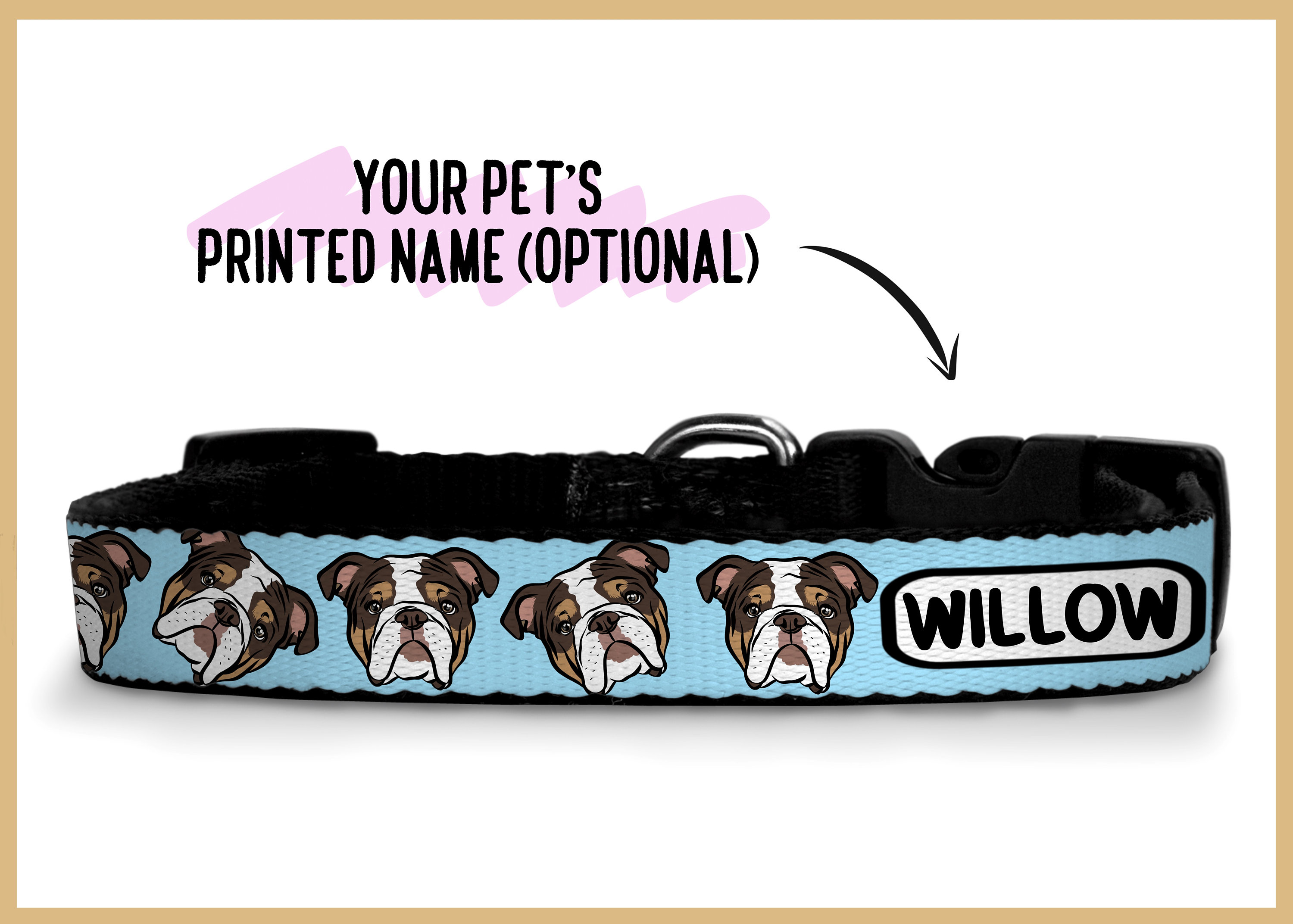
Selecting the ideal types of dog collars involves assessing several key factors: the dog’s size, breed, activity level, behavior, and your specific goals. It’s not just about style; the right collar ensures safety, comfort, and effectiveness. A thoughtful approach to choosing among the many options helps prevent discomfort or accidents and enhances training success.
Before diving into the specific collar types, it’s vital to evaluate your dog’s individual characteristics. For instance, small dogs might require lightweight, gentle options to avoid strain, while large or strong dogs may need durable, secure collars. Also, consider where and how you’ll use the collar—daily walks, training sessions, or special occasions—which directly influences your choice.
The selection process begins with understanding the purpose of the collar. Do you need a collar primarily for identification and daily walks, or are you looking for something designed explicitly for training or behavior correction? For casual use, a simple flat collar might suffice. For behavioral issues, more specialized options like martingales or head collars may be appropriate.
Additionally, collar features such as material, buckle style, and adjustability are crucial. Soft, breathable fabrics help prevent chafing, while sturdy buckles ensure durability. It’s equally important to ensure the collar fits correctly—snug but not tight—allowing space for two fingers to fit comfortably between the collar and the dog’s neck. This proper fit enhances safety and comfort, preventing issues like choking or slipping.
Understanding the pros and cons of various types of dog collars further aids in making the best choice. For example, traditional flat collars are versatile but may not provide enough control for strong pullers. Conversely, training collars like choke chains or prong collars are effective for correction but require responsible use and training. Exploring these options helps you balance safety, control, and comfort in your decision-making process.
In conclusion, choosing the right types of dog collars is a multifaceted process that involves considering your dog’s specific needs and your training or lifestyle goals. By understanding the options and their applications, you can select a collar that promotes safety, enhances training, and complements your pet’s personality. Remember, a well-chosen collar is not just an accessory but a vital part of your dog’s daily life.
Pros and Cons of Different Types of Dog Collars – Balancing Utility and Comfort
Every type of dog collar offers unique advantages and potential drawbacks, making it crucial to carefully weigh options before making a purchase. Understanding these pros and cons ensures you choose the most suitable collar for your dog, addressing safety, comfort, control, and training needs. From everyday wear to specialized training, each collar type has its place in a well-rounded pet care routine.
When examining types of dog collars, the benefits often revolve around their functionality, durability, and comfort. However, some designs may also pose challenges or risks if used improperly. Being aware of these aspects helps prevent common pitfalls such as discomfort, escape, or training setbacks.
Let’s first explore the typical advantages of everyday collars like flat collars. These collars are popular for their simplicity, affordability, and ease of use. They come in various materials, from nylon and leather to neoprene, making them suitable for most dogs. Flat collars also accommodate ID tags, which are critical for pet safety, cost-effective, and straightforward for daily use. However, they may not be effective for training or managing strong pullers.
The training collars—such as choke chains, prong collars, and head halters—offer enhanced control, especially in behavioral correction. Their pros include quick correction and increased leash control, aiding in behavioral modification. Despite this, many trainers advise careful use of these collars to prevent discomfort or injury. Misapplication or overuse can cause stress, pain, or damage to the dog’s neck, making responsible handling essential.
Specialized collars like harnesses or martingales provide unique benefits. Harnesses, for example, distribute pressure across the chest, making them ideal for dogs prone to pulling or those with respiratory issues. Their advantage lies in promoting a gentle and safe walk, but they may lack the control needed for serious behavioral issues, where a different collar might be preferable. On the other hand, martingale collars prevent slipping while offering gentle correction, but over-reliance on them can diminish their effectiveness in training if not paired with other behavioral techniques.
Durability is another key factor. Materials like leather and nylon are popular for their resilience, but they have their trade-offs. Leather is stylish and strong but can be susceptible to wear and weather damage if not maintained. Nylon is lightweight, inexpensive, and easy to clean, but it can fray or break under stress. Each material’s advantages and disadvantages influence longevity and comfort, impacting how often you need to replace or repair the collar.
The safety considerations of each type of dog collar are paramount. For example, choke chains are effective but can be dangerous if misused, leading to neck injuries or behavioral anxiety. Conversely, head collars are safer when fitting well and used properly, providing excellent control without causing discomfort. Understanding these nuances allows pet owners to optimize safety and training outcomes.
In summary, selecting the ideal collar depends on weighing these pros and cons against your dog’s temperament, size, and your training style. The goal is to find a type of dog collar that balances safety, control, comfort, and durability. Being aware of both the advantages and limitations helps prevent issues and improves your dog’s overall well-being, making every walk, training session, or outing a positive experience.
Alternatives to Traditional Dog Collars – Innovative Options for Comfort and Control
While traditional collars remain popular, a growing number of pet owners are exploring alternatives that provide enhanced comfort, safety, or functionality. These options cater to specific needs like training, medical conditions, or personal style preferences, offering diversified solutions beyond classic flat or choke collars.
These innovative options often focus on improving the dog’s overall comfort while maintaining effective control. For instance, harnesses have gained widespread popularity due to their ability to distribute pressure evenly across the chest and avoid strain on the neck, especially for dogs prone to pulling or with respiratory issues. These alternatives are not only useful for everyday walks but also simplify the management of dogs with health concerns or behavioral challenges.
Another notable alternative is the use of head collars, which essentially function like halters for horses. They give owners superior control over dogs that are difficult to manage on a leash. These devices work by gently guiding the dog’s head, reducing pulling and enhancing obedience without the need for correction-based collars. Proper fitting and training are critical to ensure they are used humanely and effectively.
Technology-driven alternatives such as GPS collars or smart collars also expand options for dog owners. GPS collars offer location tracking, ideal for outdoor adventures or securing escape-prone dogs. Smart collars can monitor health metrics, activity levels, or even provide behavioral feedback. These high-tech options are especially valuable for owners with active or anxious dogs and reflect a new era of pet care that combines functionality with modern innovation.
Slip collars, or gentle leader-style options, are designed to minimize choking risks while still offering control. They are often used for training purposes and are adjustable for comfort. These alternatives are popular among trainers seeking humane, less invasive solutions, as they focus on guiding rather than correcting. Proper education on their use ensures that they serve as effective tools without causing distress.
The broader spectrum of alternatives to traditional dog collars responds to evolving needs and preferences. Whether it’s for grooming, medical conditions, behavioral correction, or fashionable purposes, these options provide pet owners with choices that prioritize the well-being of their dogs while meeting individual lifestyle demands. For example, soft, padded collars can prevent chafing for sensitive skin or aging dogs, while decorative or personalized collars allow for style expression.
Exploring these alternatives involves understanding the specific purpose, fitting, and behavioral impact. Transitioning from traditional collars to more humane or specialized options requires patience and a commitment to training. In this regard, partnering with trainers or veterinarians ensures that the chosen alternative aligns with the dog’s health, personality, and training goals.
In conclusion, alternatives to common types of dog collars are expanding the ways pet owners can provide enrichment, safety, and control. From harnesses and head halters to smart technology, these options demonstrate that caring for a dog involves innovation, compassion, and understanding. By considering these alternatives, owners enhance their pet’s quality of life while maintaining control and safety during every adventure or routine activity.
Step-by-Step: How to Properly Fit and Use Types of Dog Collars
Proper fitting and correct usage of types of dog collars ensure safety, comfort, and effectiveness in training or everyday walks. The process isn’t just about selecting the right collar but also about understanding how to implement it properly to prevent injuries or discomfort. Pet owners should learn this step-by-step guide to foster a positive relationship with their dogs through safety and training.
To begin, choosing the correct size and material is fundamental. The collar should be snug enough to prevent slipping off but loose enough to allow two fingers to slide comfortably between the collar and the dog’s neck. Checking the fit regularly is especially important as dogs grow or during weight fluctuations. In terms of material, soft nylon or leather is usually suitable for daily use, while more specialized collars may require specific fitting considerations, such as adjusting buckles or fittings to prevent chafing.
Next, properly fitting a collar involves placing it high on the dog’s neck, just below the jawline. This position offers better control and minimizes the risk of slipping or choking. For adjustable collars, tighten the buckle so that it is snug but not restrictive. Always double-check that the collar isn’t too tight by performing the two-finger test and observing the dog’s comfort and freedom of movement.
Once properly fitted, educate yourself on how to use the collar in various situations. For example, use a loose leash when walking and ensure the collar is securely attached to the leash clip. When training, especially with correctional collars, employ humane handling practices—never jerk or pull harshly. For head collars or harnesses, start gradually to help your dog get accustomed to the device, rewarding positive behavior during the transition.
Consistency in usage is key. Always supervise your dog when wearing a collar, especially during the initial training period or when introducing a new type. Regularly inspect the collar for signs of wear or damage and replace as necessary to prevent accidental breakage or injury. Proper maintenance extends the lifespan of the collar and ensures ongoing safety.
Training your dog to accept wearing a collar respectfully is as critical as the fit itself. Use positive reinforcement by rewarding calm behavior when putting on or taking off the collar. Gradually increase wear time until your dog is comfortable, and always make the experience as stress-free as possible. If your dog shows signs of discomfort or escape attempts, reassess the fit, style, or even the suitability of the type of dog collar for that individual dog.
Finally, educating yourself about appropriate use, such as avoiding collars that can cause harm if misused, contributes to your dog’s safety and well-being. Responsible use also involves being aware of the limitations of each collar type; for example, correction collars should be used with proper training techniques and never as punishment. When in doubt, seek advice from professional trainers or veterinarians to ensure your collar choices are both humane and effective.
In essence, the step-by-step approach to fitting and using types of dog collars combines careful selection, correct fitting, humane handling, and ongoing supervision. When mastered, this knowledge ensures your dog’s comfort, safety, and training success, fostering a bond built on trust and respect.
Tips for Choosing and Using Types of Dog Collars Effectively
Navigating the wide variety of types of dog collars requires strategic tips to maximize safety, control, and comfort. By adopting practical tips, pet owners can enhance the effectiveness of their chosen collar while ensuring a positive experience for their dog. These insights help prevent common mistakes and promote responsible pet ownership.
First and foremost, always prioritize safety when selecting a type of dog collar. Verify that the collar is appropriate for your dog’s size, strength, and activity level. Ill-fitting collars can slip off or cause injuries, so regular checks are essential. Also, choose materials that suit your climate—moisture-resistant fabrics for rainy weather or breathable options for hot days—ensuring your dog remains comfortable regardless of conditions.
Secondly, consider your training goals and behavioral traits before choosing a specific collar type. For example, if your dog pulls when walked, a harness might be more effective than a flat collar. Conversely, if your main goal is ID tagging, a simple flat collar may suffice. Tailoring the collar choice to your dog’s personality helps achieve better control and enhances training outcomes without compromising comfort.
The third tip involves responsible usage. For correctional collars like choke chains or prong collars, proper fitting and humane handling are critical. Never use these as punishment tools; instead, pair their use with positive reinforcement strategies. For softer options like martingales or head collars, gentle guidance and patience ensure your dog adapts happily and confidently.
Another effective tip is to educate yourself on the nuances of each type of dog collar. For example, learning how to correctly fit and adjust a martingale collar prevents choking while maintaining control. Understanding the purpose and proper application of head collars ensures humane correction during walks. The more informed you are, the more responsible and effective your use of these accessories becomes.
Finally, consider the maintenance and longevity of your dog collar. Regular cleaning keeps collars hygienic, especially for outdoor dogs exposed to dirt and weather. Inspect collars for signs of wear, such as fraying or broken buckles, and replace them when necessary. Investing in durable, high-quality collars reduces long-term costs and enhances your dog’s safety.
In essence, the best way to optimize the benefits of each type of dog collar is through informed choices, careful fitting, responsible handling, and ongoing education. Proper application of these tips fosters a safe, comfortable, and effective control method that strengthens the bond between you and your pet while promoting good behavior and safety in everyday life.
FAQs About Types of Dog Collars
What is the safest type of collar for a puppy?
The safest type of dog collar for a puppy is usually a soft, adjustable flat collar or a harness. These options minimize the risk of choking and comfort during the puppy’s developmental stages, making them ideal for daily use and training.
Can I use a head collar for a strong puller?
Yes, a head collar can be effective for managing strong pullers when used properly. It guides the dog’s head gently, reducing pulling without causing discomfort when fitted correctly and combined with positive reinforcement training.
Are leather collars better than nylon?
Leather collars are often more durable and stylish but may require maintenance. Nylon collars are lightweight, inexpensive, and easier to clean. The choice depends on your dog’s activity level and personal preference, as each has its benefits and limitations.
How do I know if my collar fits correctly?
A correctly fitted collar should be snug but not tight. You should be able to slide two fingers comfortably between the collar and your dog’s neck. Regularly check and adjust the fit as your dog grows or if their weight fluctuates.
Are electronic or smart collars safe?
When used responsibly and according to manufacturer instructions, electronic or smart collars are safe and effective for tracking, health monitoring, or training. It’s crucial to consult with professionals to ensure humane and appropriate deployment, especially for training purposes.
Conclusion
Understanding the wide range of types of dog collars and their specific applications is vital for responsible pet ownership. From simple flat collars to sophisticated smart options, selecting the appropriate collar involves consideration of safety, comfort, control, and the dog’s individual needs. Proper fitting and responsible use maximize benefits, promote good behavior, and keep your dog safe and happy. Investing time in understanding and choosing the right type of dog collar ultimately strengthens the bond with your pet while ensuring they lead a comfortable, controlled, and joyful life.
