

Dog
Discover the Charming World of Asian Dog Types – Characteristics, Care Tips, and Cultural Significance

Apr
Many dog enthusiasts and potential pet owners are increasingly intrigued by Asian dog types, renowned for their unique appearances, personalities, and cultural histories. These breeds, hailing from various regions across Asia, offer a diverse range of features—from the tiny, spirited companions to majestic, sturdy breeds rooted in history. In this comprehensive guide, we’ll explore who Asian dog types are, how to care for them, their advantages and disadvantages, and practical tips for pet ownership. Whether you’re an experienced dog lover or just starting your journey, understanding these remarkable breeds can help you make an informed and compassionate choice.
Who Are Asian Dog Types? An Introduction to Their Diversity and Heritage
Asian dog types encompass a remarkable spectrum of breeds originating in the vast and culturally rich continent of Asia. These dogs have evolved over centuries, often shaped by the climates, terrains, and lifestyles of their respective regions. Their roles have ranged from hunting, guarding, and herding to being loyal companions and spiritual symbols.
Asian breeds reflect a combination of versatility, resilience, and unique appearance, often entangled with the history and mythology of their countries of origin. Recognizing Asian dog types involves understanding not only their physical traits but also their social importance and the traditional roles they have played in Asian societies.
For example, some of the most renowned Asian breeds include the Shiba Inu from Japan, the Chow Chow from China, and the Thai Ridgeback from Thailand. Each of these breeds embodies distinct characteristics suited to their environments, showcasing a fascinating blend of inherited traits, temperament, and appearance that makes them stand out on the global stage.
The rich diversity among Asian dog types is a reflection of their breeding history—some bred for independence and toughness, others for affectionate companionship. Exploring their origins reveals a tapestry woven with myths, cultural symbolism, and utilitarian functions that continue to influence how these breeds are perceived and cherished today.
The Evolution and Cultural Significance of Asian Dog Types
Asian breeds are uniquely intertwined with the cultures and histories of their regions. Many serve as national symbols or are revered in folklore. For example, the Shiba Inu is considered a national treasure in Japan, symbolizing loyalty, stamina, and agility. Similarly, the Chow Chow’s lion-like appearance and blue-black tongue make it a symbol of status in ancient Chinese imperial courts.
Throughout history, Asian dog types have been selectively bred to suit particular needs—whether for guarding homes and livestock, hunting game, or acting as royal companions. As a result, their physical traits often reflect purposeful adaptations—short legs for stability, thick coats for cold climates, or particular coat colors serving ceremonial purposes.
Today, these same dogs have gained worldwide popularity for their distinctive looks and personalities. Their cultural backgrounds, combined with their adaptability and protective instincts, make them compelling choices for experienced dog owners seeking breeds that are both unique and meaningful.
How to Care for Asian Dog Types – Essential Tips for Happy and Healthy Pets
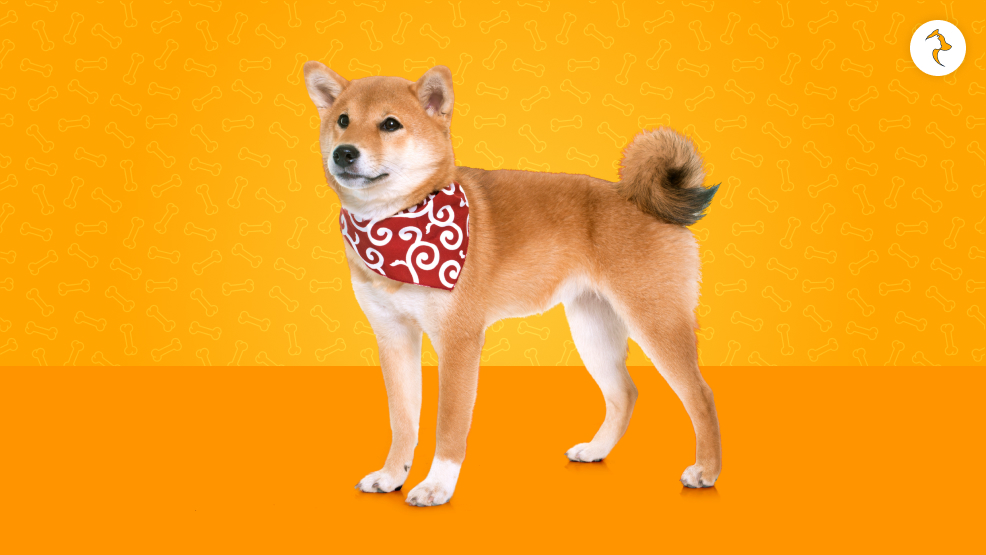
Proper care is crucial to maintaining the health and happiness of Asian dog types. Due to their diverse origins, each breed might have specific needs—climatic preferences, grooming routines, dietary requirements, and social behaviors—necessitating tailored care approaches.
Understanding these needs, establishing a balanced routine, and providing early socialization and training are key aspects of responsible ownership. Additionally, recognizing the potential health issues common among specific breeds can prevent future complications, ensuring your pet’s well-being and longevity.
Caring for Asian dog types may involve more than just routine walks and feeding; it often requires a nuanced understanding of their physical and psychological traits. For instance, breeds with dense coats need regular grooming to prevent matting, while athletic breeds require ample exercise to prevent boredom and destructive behaviors.
In this section, we’ll delve into specific care guidelines by breed traits, including dietary considerations, grooming routines, health checkups, and behavioral management. This comprehensive approach helps foster a strong bond between owner and pet, ensuring a fulfilling companionship.
Grooming and Maintenance
Regular grooming is essential, particularly for breeds with thick, dense, or long fur, such as the Chow Chow or the Tibetan Mastiff. Periodic brushing prevents mats, reduces shedding, and keeps the coat healthy. Short-haired breeds like the Thai Ridgeback are easier to maintain but still benefit from routine brushing to remove dirt and loose hair.
Bathing frequency depends on the breed and lifestyle but generally ranges from monthly to bi-weekly for active or outdoor dogs. Use gentle, breed-appropriate shampoos to avoid skin irritations.
Grooming isn’t just about appearance—it’s also an opportunity to check for skin issues, parasites, or abnormalities. Additionally, trimming nails, cleaning ears, and brushing teeth should be integrated into a consistent maintenance routine to promote overall health.
Diet and Nutrition
Asian dog types often have specific dietary needs influenced by their size, activity level, and metabolic rates. Typically, medium to large breeds like the Tibetan Mastiff require nutrient-dense diets rich in protein and healthy fats to sustain energy and muscle mass.
For smaller breeds like the Shiba Inu, portion control and balanced nutrition prevent obesity, a common concern. Many Asian breeds are prone to certain hereditary health issues, so tailored diets—potentially with supplements such as joint support or skin conditioners—are beneficial.
Consulting with a veterinarian about breed-specific diets enhances health, longevity, and coat condition. Fresh, high-quality ingredients combined with regular feeding schedules foster a balanced digestive system and vibrant coat.
Exercise and Mental Stimulation
Most Asian dog types are active, intelligent breeds that require daily exercise and mental stimulation. Without these outlets, they may develop destructive behaviors or become bored, impacting their mental well-being.
For example, the Korean Jindo is known for its agility and independence, thriving on activities like obedience training and outdoor adventures. The Thai Ridgeback’s natural guarding instincts also mean they benefit from socialization to prevent over-aggression.
A mix of physical activity—such as walks, fetch games, or agility exercises—and mental challenges like puzzle toys, obedience tasks, or scent work keeps these breeds engaged, reducing anxiety and promoting a well-rounded personality.
Healthcare Considerations Specific to Asian Breeds
Certain breeds are predisposed to genetic conditions—such as hip dysplasia, autoimmune disorders, or coat-related skin issues. Regular vet visits, health screenings, and preventive measures like vaccinations are critical.
For instance, the Chow Chow may develop entropion, a condition where eyelids roll inward, causing discomfort or corneal damage. Early diagnosis and treatment are essential for such breed-specific conditions.
Preventive care, including timely dental cleanings and skin checks, enhances quality of life and reduces long-term veterinary costs. Proper training and socialization also contribute to a confident, balanced pet capable of thriving in diverse environments.
Pros and Cons of Asian Dog Types – Weighing the Advantages and Disadvantages
While Asian dog types boast many charming qualities, they are not suited for every owner or living situation. Understanding the benefits and challenges associated with these breeds can aid prospective owners in making well-informed decisions.
Some main advantages include their distinctive looks, loyalty, intelligence, and deep cultural significance. Conversely, potential disadvantages involve grooming needs, specific health concerns, and temperament traits that require experienced handling.
In this section, we will analyze the pros and cons, giving you a balanced perspective on what to expect when considering an Asian breed as your new companion.
Advantages of Asian Dog Types
Asian breeds are widely admired for their striking appearances, often characterized by unique coat colors, patterns, and facial features. For example, the fluffy, lion-like Chow Chow’s distinctive blue-black tongue captures fascination, while the sleek Shiba Inu boasts an alert expression that fits any modern home décor.
Beyond appearance, many Asian dog types are known for their loyalty and strong bond with families. Their protective instincts make them excellent watchdogs, providing added security without necessarily requiring aggressive training.
Their adaptability adds to their appeal — many breeds can thrive in urban environments while still enjoying outdoor activities like hikes or playtime. Their moderate to high intelligence levels make training feasible when approached with patience and consistency.
Disadvantages of Asian Dog Types
Despite their numerous appealing qualities, Asian dog types can present certain challenges. Their grooming requirements might be demanding, especially for long-haired or dense-coated breeds like the Tibetan Mastiff or Chow Chow, requiring regular professional grooming or meticulous home maintenance.
Many breeds are prone to hereditary health conditions, necessitating vigilant veterinary care and possibly costly treatments. For example, the Japanese Chin is susceptible to respiratory issues due to its flat face, demanding owners to monitor breathing health carefully.
Temperament-wise, some breeds tend to be independent, stubborn, or territorial, which can be frustrating for first-time dog owners. Additionally, their size and strength may require experienced handling and training to ensure safety and good manners.
Temperament and Behavioral Concerns
Certain Asian breeds have strong guarding instincts and can be wary of strangers or unfamiliar dogs. This trait is rooted in their historical roles as protectors and hunting companions, which can pose socialization challenges if not addressed early.
These breeds often require skilled training to manage their behavior and prevent issues like aggression or excessive aloofness. Potential owners need to assess whether their lifestyle and experience align with the breed’s temperament traits.
Adaptability and Living Conditions
While some Asian dog types adapt well to apartment living with sufficient exercise, others—like the Tibetan Mastiff or Korean Jindo—prefer larger spaces and outdoor environments. Lack of adequate space or activity can lead to behavioral problems.
Choosing an Asian breed without recognizing its environmental needs could lead to dissatisfaction for both owner and pet. Proper research and honest self-assessment are necessary to select a breed compatible with your lifestyle.
Alternatives to Traditional Asian Dog Types – Exploring Other Unique and Compatible Breeds
If you’re drawn to Asian dog types but concerned about their specific needs or restrictions, numerous alternative breeds could fulfill similar roles or offer comparable traits.
Some alternative breeds possess the loyal, alert, or distinctive qualities of traditional Asian breeds but with differing maintenance requirements or temperaments that might better suit your household.
Crossbreeds and Hybrid Options
Crossbreeding Asian breeds with other popular breeds can produce dogs with balanced traits, potentially reducing health risks or grooming demands while retaining appealing characteristics.
For example, a Shiba Inu mixed with a more laid-back breed might temper its independence, or a Chow Chow mixed with a lower-maintenance breed could produce a unique, manageable companion.
Hybrid breeds often have the advantage of combined traits—such as affectionate nature, manageable size, or hypoallergenic features—making them attractive options for a broader range of owners.
Other Distinctive Breeds of Similar Temperament
Breeds like the Akita, Siberian Husky, or Basenji share traits such as independence, intelligence, and strong guarding instincts similar to Asian dog types. These breeds might demand similar care but offer different appearances and temperaments.
Selecting these breeds as alternatives requires understanding their specific needs—such as high energy levels and grooming requirements—and ensuring your environment aligns with their characteristics.
Dogs with Cultural Significance but Less Maintenance
Certain breeds like the Staffordshire Bull Terrier or the Bearded Collie—though not Asian—hold cultural importance and exhibit loyal, protective traits. They often require less intensive grooming than traditional Asian breeds and could serve as suitable alternatives for active owners.
It’s essential to evaluate each breed’s activity level, grooming needs, and health considerations before making a choice. The goal is to find a breed that complements your lifestyle while fulfilling your desire for unique, culturally rich companions.
Step-by-Step Guide to Choosing and Caring for Asian Dog Types – From Selection to Loving Ownership
Selecting and caring for an Asian dog type is a rewarding endeavor that requires detailed planning, research, and preparedness. Follow these structured steps to ensure a successful bond with your new furry family member.
Step 1: Research and Breed Selection
Start by identifying which Asian breed aligns with your living situation, activity level, experience, and preferences. Read reliable sources, liaise with breeders or rescue groups, and attend breed-specific events if possible.
Evaluate the breed’s temperament, health concerns, grooming needs, and size to ensure compatibility with your household. Visiting reputable breeders or shelters can also provide insight into the breed’s typical behavior and health.
Step 2: Assess Your Environment and Lifestyle
Your housing situation—apartment, house with yard, rural land—can influence your choice. Active breeds like the Jindo or Thai Ridgeback thrive in larger, outdoor-connected environments, while smaller or less energetic breeds adapt well to apartment living with regular exercise.
Consider your schedule, budget for veterinary care, grooming, and training, and your ability to engage and socialize your dog daily. Honest self-assessment helps prevent mismatches and fosters a happy, balanced relationship.
Step 3: Prepare Your Home
Create a safe and welcoming environment for your Asian dog type. Purchase necessary supplies—food bowls, quality food, grooming tools, toys, and comfortable bedding.
Modify your home if needed—secure fences, remove hazardous items, and designate spaces for training and rest. Establish routines early, including feeding, walks, and training, to foster stability and trust.
Step 4: Find a Responsible Breeder or Rescue
Choose ethical sources that prioritize health and temperament testing. Avoid puppy mills or unverified sellers. Alternatively, adoption from shelters or rescue groups can be a fulfilling way to give a second chance to a deserving dog.
Ask for health clearances, references, and observe the environment where the dogs are raised. Responsible sourcing ensures your pet starts life with a good foundation.
Step 5: Initial Training and Socialization
Begin training promptly using positive reinforcement methods. Early socialization with other animals and humans reduces fear and aggression later on.
Introduce your dog to different sounds, environments, and experiences gradually. Patience and consistency build confidence and desirable behaviors.
Step 6: Ongoing Care and Enrichment
Maintain regular veterinary visits, grooming, and exercise routines. Keep your dog mentally stimulated—use toys, training, and scent games.
Pay attention to nutrition, watch for health issues, and adapt care as your dog ages. Enriching your pet’s environment fosters a fulfilling, long-lasting relationship.
Tips for Managing Asian Dog Types – Ensuring a Harmonious and Rewarding Bond
Caring for Asian dog types involves understanding their unique traits and adopting strategies that promote health, happiness, and good behavior. Here are practical tips gleaned from expert experience and personal insights.
Building Trust and Social Skills
Many Asian breeds are naturally cautious or independent, making early socialization vital. Introduce your pup to various people, animals, and environments calmly and positively.
Consistent exposure helps build confidence and reduces anxiety or territorial behaviors. Using treats and praise reinforces desired behaviors, transforming socialization into an enjoyable experience for your dog.
Addressing Grooming and Health Needs
Develop a grooming schedule tailored to your breed’s coat and skin requirements. Regular brushing prevents matting, while scheduled vet visits can detect issues early.
For breeds prone to hereditary ailments, like eye or joint problems, proactive health checks and specialist consultations are crucial. Maintaining a health journal supports ongoing care.
Training and Behavioral Management
Use patience, consistency, and positive reinforcement to train Asian dog types. Enforce boundaries gently but firmly, especially for breeds with territorial or guarding instincts.
Enroll in obedience classes or consult professional trainers if needed. Proper training prevents behavioral issues and enhances your companionship quality.
Ensuring Adequate Exercise and Stimulation
These breeds thrive on activity—daily walks, playtime, and interactive games are essential. Lack of stimulation can lead to boredom, destructive behaviors, or anxiety.
Provide a safe, engaging environment with diverse toys and activities. Social outings and mental challenges keep your dog fulfilled and balanced.
Respecting Their Cultural and Personal Traits
Recognize the individuality of your Asian dog type—respect their preferences for independence or affection. Be patient with their temperament, and avoid forcing interactions that stress your dog.
Your understanding and respect foster trust, reinforcing your role as a compassionate owner and friend.
FAQs About Asian Dog Types
What are the most popular Asian dog breeds?
Some of the most popular Asian dog breeds include the Shiba Inu, Chow Chow, Japanese Chin, Tibetan Mastiff, and the Thai Ridgeback. Each has distinctive traits and cultural significance, making them favorites among dog lovers globally.
Are Asian dog types good for first-time pet owners?
While some Asian breeds are manageable for first-time owners, many are independent or have specific grooming and health needs that could challenge inexperienced handlers. Researching the breed’s temperament and requirements before commitment is essential.
How much grooming do Asian dog types typically need?
Grooming varies across breeds. Long-haired breeds like the Chow Chow need regular brushing and professional grooming, whereas shorter-haired breeds like the Jindo or Thai Ridgeback are easier to maintain. Always tailor grooming routines to your specific dog.
Do Asian dog breeds have common health issues?
Yes, many Asian breeds are prone to hereditary conditions such as joint problems, skin issues, or specific genetic diseases. Regular veterinary care, health screening, and a balanced diet help mitigate these risks.
Can Asian dog types live comfortably in apartments?
Many Asian breeds adapt well to apartment living if they receive sufficient daily exercise and mental stimulation. Smaller breeds like the Shiba Inu or Japanese Chin are particularly suited to smaller spaces, but larger breeds may need access to outdoor areas regularly.
Conclusion
Asian dog types are a fascinating group of breeds rich in history, culture, and distinctive traits. Their varied appearances and personalities make them intriguing choices for diverse households, but they require thoughtful care, training, and environment considerations. Understanding their origins and behavioral tendencies helps owners nurture a loving and healthy relationship, ensuring these remarkable companions thrive. Whether you seek a loyal guardian, an independent explorer, or a majestic family member, Asian dog types offer a wonderful array of options grounded in centuries of tradition and evolution, promising companionship that is both meaningful and enduring.
