

Dog
Exploring the Unique Charm of Different Types of Corgi Dogs — A Guide to Their Varieties, Traits, and Care

Apr
The world of corgis is richer and more diverse than many dog lovers realize. The different types of corgi dogs each boast unique characteristics, personalities, and histories that make them fascinating companions. Whether you’re considering adding a corgi to your family or simply want to deepen your appreciation for these charming canines, understanding the distinctions among various corgi breeds can help you choose the right one. In this comprehensive guide, we’ll explore the different types of corgi dogs, how to identify and care for them, and what makes each variety special.
Understanding the Different Types of Corgi Dogs — An Introduction to Their Diversity
Corgis are undeniably adorable, with their short legs, expressive eyes, and lively personalities. However, not all corgis are the same. The two most recognized and historically significant types are the Pembroke Welsh Corgi and the Cardigan Welsh Corgi. These breeds share certain attributes but also display notable differences in appearance, temperament, and history.
Additionally, over the years, enthusiasts and breeders have occasionally distinguished other variations, including mixed breeds and regional or lineage-based subgroups. Recognizing these differences can be crucial for potential owners seeking a specific temperament or appearance and for understanding the cultural and historical background that shapes each type.
The different types of corgi dogs each bring their own set of traits, care needs, and quirks. From their origins to their modern-day roles as companions, understanding these differences enables a more meaningful appreciation and responsible ownership.
The Two Main Types: Pembroke Welsh Corgi and Cardigan Welsh Corgi
The primary distinction among these corgi types begins with their lineage and physical appearances. While both breeds are famously linked to working herds and have served as loyal companions, their genetic and physical differences are quite profound.
Pembroke Welsh Corgis are the more widely recognized of the two, often featured in media and popular culture. Known for their distinctive fox-like face and shorter tail, Pembrokes are typically more refined in appearance.
Cardigan Welsh Corgis, on the other hand, boast a more substantial build, rounded ears, and a long, bushy tail. Their history is deeply rooted in the rural areas of Wales, where they were versatile farm dogs.
Understanding these main types sets the foundation for exploring their unique traits, care requirements, and suitability for different families or lifestyles.
How to Identify and Differentiate Between the Types of Corgi Dogs — Physical and Behavioral Traits
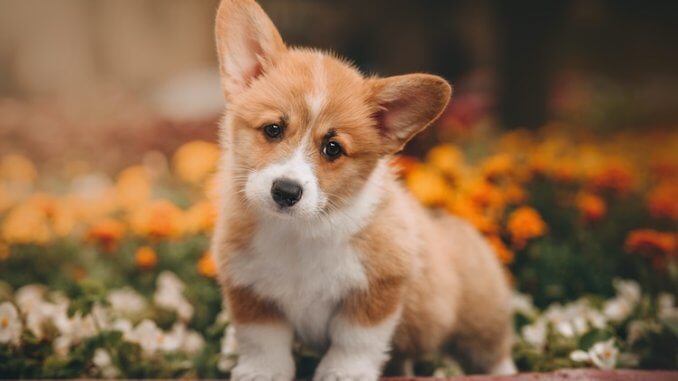
Knowing how to distinguish the different types of corgi dogs can help you select the right mix for your household, as well as enhance your appreciation for their distinct personalities and looks.
Both breeds might seem similar at first glance, but several features—physical and behavioral—set them apart and deepen the intrigue of these beloved dogs.
Physical Characteristics and Differences
The Pembroke Welsh Corgi is generally smaller, with a more refined, agile build. They have a shorter stature but are known for their remarkable agility and speed. Their ears are pointy and upright, and their tail can be naturally short or docked in some cases, though docking is now controversial and banned in many areas.
The Cardigan Welsh Corgi tends to be slightly larger and more robust, with a longer body and a broad chest. Their rounded ears are set wider apart, and their tails are long and bushy, often heavy and expressive. Their coat also tends to be thicker, providing extra insulation for the working dogs that they historically were.
Behavioral and Temperament Differences
In terms of personality, Pembrokes are often described as more energetic, independent, and confident, with a playful and sometimes mischievous streak. They tend to be very social but can be somewhat territorial, especially with other pets or unfamiliar visitors.
Cardigans tend to be more reserved and cautious around strangers but are incredibly loyal and affectionate with their families. They often develop strong bonds and are known for their adaptiveness, making them excellent watchdogs due to their alertness.
Additional Distinguishing Traits
The difference in tail type is one of the most noticeable features, with Pembrokes having a naturally short tail and Cardigans a long, plush one. Additionally, their coat patterns and colors vary, with Cardigans offering a broader color palette. Such physical distinctions are complemented by subtle behavioral differences that reflect their historical roles.
Understanding these distinctive features offers invaluable insights into each breed’s personality, potential health considerations, and care needs, helping owners make more informed choices.
Pros and Cons of Different Types of Corgi Dogs — What to Know Before Choosing
Choosing between the different types of corgi dogs involves weighing the benefits against potential challenges. Each breed offers unique advantages and drawbacks based on their physical traits, temperament, and care requirements.
While both breeds make excellent companions, their differences mean they might flourish in different environments or lifestyles.
Pros of Pembroke Welsh Corgis
One of the primary benefits of Pembrokes is their adaptability and lively energy. They thrive in active households and are well-suited for outdoor activities, agility competitions, and even as therapy dogs due to their friendly nature.
Their smaller size makes them more manageable in apartments and urban settings, and their generally affectionate demeanor fosters strong bonds within families. Additionally, their striking appearance and historical popularity make them a favorite among dog enthusiasts.
Cons of Pembroke Welsh Corgis
However, their energetic nature and need for stimulation mean they can develop behavioral issues if bored or neglected. They may chew furniture or become vocal, which requires consistent training and mental engagement.
Their short legs and active lifestyle also predispose them to certain health problems such as hip dysplasia and obesity. Owners should be prepared for regular exercise, maintenance, and vigilance regarding their diet and health.
Pros of Cardigan Welsh Corgis
Cardigans are prized for their loyalty and calm demeanor, making them ideal for families seeking a more reserved yet attentive companion. Their robust physique makes them resilient and capable of handling more rigorous physical activities.
Their long tails and thicker coats give them a distinctive look, and their inquisitive nature ensures a playful yet more laid-back household atmosphere.
Cons of Cardigan Welsh Corgis
The main challenge with Cardigans is their tendency to develop certain hereditary health issues, such as back problems due to their longer bodies. They can also be more reserved around strangers, necessitating early socialization to prevent shyness or separation anxiety.
Their coat requires regular grooming, especially in shedding seasons, to keep them comfortable and hygienic. Potential owners must also be prepared for their strong herding instincts, which can lead to nipping or chasing behaviors if not properly trained.
Balancing Pros and Cons
Both types of corgi are highly trainable and social, but understanding their benefits and challenges is essential for maintaining their health and happiness. The decision ultimately depends on your environment, activity level, and what personality traits align with your household.
Considering these aspects carefully ensures that you can offer the best life for whichever corgi type you choose, fostering a mutually rewarding relationship.
Alternatives and Crossbreeds — Other Varieties Similar to Corgis
While the primary focus is on the different types of corgi dogs, it’s worthwhile to consider other breeds that share similar traits or origins, either as alternatives or delightful crossbreeds.
The world of small herding dogs and territorial companions offers a handful of breeds that mimic corgi characteristics or bring unique qualities to the table.
Other Small Herding Dogs
Breeds such as the Australian Kelpie or the Belgian Laekenois, though not as similar in appearance, share the herding instincts and agility that make corgis special. They often excel in working roles and canine sports, making them suitable options for active owners.
While these breeds are larger and require more space, their intelligence and herding aptitude resemble the qualities loved in corgis, especially for experienced dog owners willing to meet their needs.
Crossbreed Variations
Mixing a corgi with other breeds has become increasingly popular, resulting in delightful hybrids like the Corgi Bulldog or Corgipoo. These mixes often combine physical features and temperaments, offering unique qualities tailor-made for specific household needs.
Crossbreeds may inherit the best traits from both parents—such as the playful energy of a corgi with the calmness of another breed—rendering them adaptable and engaging pets.
Regional and Historical Variants
Regional variants of corgis or lesser-known related herding breeds originate from similar environments and cultural histories. For instance, the Pembroke and Cardigan have distinct Welsh roots, but other European herding dogs share similar traits and history.
Exploring these breeds broadens understanding of the corgi’s heritage and offers alternative choices for enthusiasts or potential owners.
Choosing Alternatives
If a purebred corgi doesn’t seem like the perfect fit, these alternatives might provide suitable traits or behaviors. For example, if size or shedding is a concern, certain terrier or small shepherd breeds can fulfill similar roles or companionship needs.
Ultimately, understanding these alternatives allows for a more personalized approach to selecting a dog that complements your lifestyle, space, and preferences.
Step-by-Step Guide to Caring for the Different Types of Corgi Dogs
Caring for the different types of corgi dogs involves understanding their specific needs, including diet, exercise, grooming, and health management.
Each breed, while sharing some common traits, has nuances that should inform your care routine to ensure they remain happy and healthy.
Establishing a Suitable Diet
Corgis are prone to obesity, making proper nutrition vital regardless of their type. A diet rich in high-quality protein, moderate in fats, and appropriate in calories helps maintain ideal weight and supports their active lifestyles.
Feeding guidelines should be adjusted based on age, activity level, and health conditions. Regular vet check-ups are essential for customizing diet plans and managing health concerns such as allergies or food sensitivities.
Exercise and Mental Stimulation
Both corgi types thrive on regular physical activity, but they differ slightly in stamina and agility needs. Pembrokes, with their energetic and agile nature, benefit from activities like agility training, fetch, or long walks.
Cardigans, while equally active, often enjoy more leisurely walks and mental exercises like puzzle toys, which also help curb herding instincts that might lead to nipping or chasing.
Grooming and Coat Maintenance
Grooming requirements vary primarily based on coat length and density. The Cardigan, with its thicker coat, demands more frequent brushing, especially during shedding seasons. Regular baths and coat trimming, when necessary, keep them comfortable.
The Pembroke’s shorter coat still requires routine brushing to remove loose hairs and prevent matting. Both breeds need ear cleaning, dental hygiene, and nail trimming as part of their overall care routine.
Health Monitoring and Preventive Care
Genetic predispositions influence health concerns within each type. Pembrokes are prone to obesity, hip dysplasia, and eye problems, whereas Cardigans may encounter back issues due to their longer spine.
Routine veterinary visits, vaccinations, and screenings are essential for early detection of hereditary issues. Owners should also be vigilant about training and socialization to foster well-adjusted, well-behaved pets.
Creating a Safe and Stimulating Environment
Corgis are intelligent and energetic but can be prone to destructive behaviors if left unstimulated. Providing ample playtime, training, and social interactions nurtures their mental and physical health.
A secure yard or safe play area, coupled with engagement in obedience or agility training, keeps them active and mentally sharp, contributing to long-term happiness.
Tips for Training and Socializing Different Types of Corgi Dogs — Building a Strong Bond
Effective training and socialization are key components of caring for the different types of corgi dogs. While both breeds are intelligent and eager to please, their distinct personalities influence the approach you should take.
Building a solid bond with your corgi promotes obedience, reduces behavioral issues, and ensures a mutually fulfilling relationship.
Starting Early with Socialization
Early exposure to various people, animals, environments, and sounds helps prevent shyness or aggression issues later. Corgis, especially Cardigans, can be cautious around strangers, so gradual introduction paired with positive reinforcement is essential.
Take them to puppy classes, neighborhood walks, and different settings to cultivate confidence and friendliness. Consistent socialization from a young age fosters balanced and well-mannered adult dogs.
Positive Reinforcement Techniques
Both breeds respond well to reward-based training methods such as treats, praise, and play. Recognizing and rewarding good behavior encourages repetition and builds trust.
Avoid harsh punishments, which can lead to fear or aggression, particularly in more reserved breeds like the Cardigan. Patience and consistency are crucial for successful training.
Addressing Herding and Behavioral Traits
Corgis have innate herding instincts, which might manifest as nipping, chasing, or circling. Redirecting these behaviors into acceptable outlets like agility or herding exercises can help prevent problem behaviors.
Teaching basic commands like sit, stay, and leave it forms the foundation for controlling unwanted behaviors and enhances communication between owner and dog.
Maintaining a Routine and Setting Boundaries
Structured daily routines provide security. Consistent feeding, potty times, walks, and playtimes help manage their expectations and reduce anxiety.
Establishing clear boundaries or designated areas for rest and play ensures your corgi understands acceptable behaviors, fostering independence and reducing destructive tendencies.
Encouraging Independence and Confidence
While corgis are loyal and affectionate, nurturing their independence ensures they don’t become overly clingy or anxious when left alone. Training them gradually to tolerate solitude builds confidence and reduces separation anxiety.
Providing engaging toys and puzzles keeps their minds occupied, decreasing the likelihood of disruptive behaviors driven by boredom or stress.
FAQs — Common Questions About Different Types of Corgi Dogs
What are the main differences between Pembroke and Cardigan Welsh Corgis?
The main differences lie in their appearance, temperament, and history. Pembrokes are generally smaller, with a more slender build and erect ears, and often have a naturally short tail. Cardigans are slightly larger, more substantial, with rounded ears and a long, bushy tail. Their temperaments also vary, with Pembrokes being more energetic and outgoing, whereas Cardigans tend to be more reserved and loyal.
Are all corgis hypoallergenic?
No breed of dog, including corgis, is fully hypoallergenic. However, corgis have short coats that shed moderately, which can be manageable for some allergy sufferers. Regular grooming and cleaning can help reduce dander, but individuals with severe allergies should spend time around corgis before deciding to adopt.
How much exercise does each type require?
Both breeds are active and energetic, requiring daily exercise to stay healthy and happy. Pembrokes, with their high energy levels, benefit from vigorous activities like agility and long walks. Cardigans also enjoy exercise but may prefer more varied mental stimulation, such as obedience training and interactive toys. Regular activity helps prevent behavioral issues related to boredom.
Do corgis have any common health problems?
Yes. Pembrokes are prone to obesity, hip dysplasia, and certain eye conditions, while Cardigans can face back problems due to their longer spine and may develop joint issues. Regular veterinary checkups, a balanced diet, and appropriate exercise are essential to maintaining their health.
Are corgis good family dogs?
Absolutely. Both types of corgi are affectionate, loyal, and good with children when properly socialized. Their playful nature makes them suitable for active families, but their herding instincts mean they may try to herd small children or other pets. Early training and socialization help foster positive family relationships.
Conclusion
The different types of corgi dogs each offer a unique blend of traits, physical features, and temperaments that make them beloved companions worldwide. The Pembroke’s lively, agile, and playful disposition contrasts with the Cardigan’s robust, reserved, and loyal nature, yet both breeds excel in family environments and active lifestyles. Understanding their distinct needs—from grooming and diet to training and health care—is essential for providing a happy, healthy life for your furry friend. Whether you prefer the energetic sparkle of a Pembroke or the steadfast loyalty of a Cardigan, choosing the right corgi breed depends on your lifestyle, home environment, and personal preferences. Embracing their unique qualities allows you to foster a rewarding relationship with this remarkable breed, celebrating their shared heritages and individual personalities.
In exploring the different types of corgi dogs, you gain a deeper appreciation for their diversity, history, and suitability for various households. With proper care, socialization, and love, these charming dogs can become lifelong companions that bring joy, fun, and loyalty into your life.
