

Dog
Discovering the Dog Type Pomeranian – An Adorable Companion with a Big Personality

Apr
The dog type pomeranian is a popular breed admired worldwide for its adorable looks, lively personality, and undeniable charm. Known for their fluffy coat and spirited demeanor, Pomeranians are more than just a pretty face—they are intelligent, energetic, and loyal companions. This article explores everything you need to know about the dog type pomeranian, from understanding who they are and how to care for them to evaluating their pros and cons and exploring alternatives. Whether you’re considering adding a Pomeranian to your family or simply want to learn more about this delightful breed, keep reading for comprehensive insights.
Who Is the Dog Type Pomeranian – An Introduction to the Breed
Understanding the dog type pomeranian involves delving into their origins, characteristics, and personality traits. This breed is a small spitz-type dog that has captured hearts for centuries and has evolved significantly in appearance and temperament over generations. Recognizing what makes a Pomeranian unique provides a stronger foundation for their future care and companionship.
The dog type pomeranian traces its roots to the Arctic sled dogs and the Spitz family, with lineage linked to ancient northern breeds. Historically, they served as companions for royalty and aristocrats due to their charming looks and lively disposition. Today, their small size and big personality make them a favored pet for families, singles, and even seniors, thriving in indoor environments and social settings.
Pomeranians are often characterized by their thick, fluffy coat, expressive eyes, and a plume-like tail that arches over their back. Their personality is highly spirited—they are confident, curious, and playful, often displayed through their vocal nature and eagerness to explore. Despite their tiny stature, they boast a fearless demeanor that can sometimes seem disproportionate to their small size, a trait affectionately nicknamed “big dog in a small body.”
This breed’s adaptability and outgoing gene make them excellent companions in various living situations. They tend to form strong bonds with their owners and can be both affectionate and lively. However, their spirited nature also means they require proper socialization and training to prevent behavior issues like excessive barking or aggression. Understanding their physical traits, personality, and history helps prospective owners connect more deeply and prepare for their care needs.
How to Care for the Dog Type Pomeranian – A Guide to Raising a Happy, Healthy Pomeranian
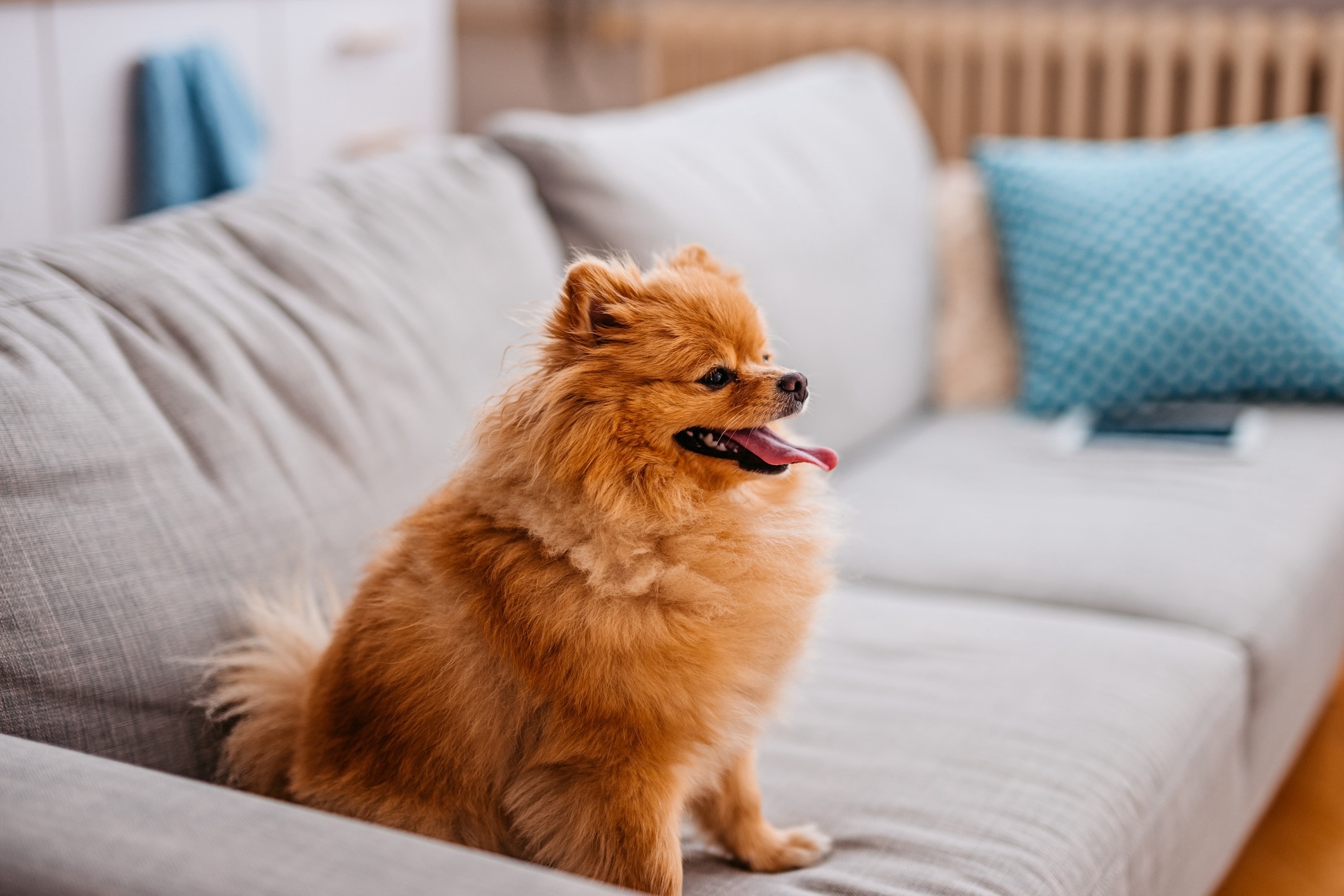
Caring for a dog type pomeranian requires dedicated attention to their grooming, diet, health, and mental stimulation. Due to their small size and particular needs, owners must invest time in understanding how to create a balanced lifestyle that ensures their breed thrives. This section covers essential aspects of caring for these adorable yet energetic companions.
First and foremost, grooming is key for maintaining a Pomeranian’s signature fluffy appearance. Their thick double coat needs regular brushing, ideally 3-4 times weekly, to prevent matting and reduce shedding. During shedding seasons, daily grooming may be necessary to keep their coat healthy and manageable. Regular baths using gentle dog shampoos help keep their coat clean and free from parasites or skin issues. Additionally, routine trimming around the paws, ears, and sanitary areas maintains hygiene and overall comfort.
Diet plays a crucial role in the health and vitality of the dog type pomeranian. High-quality, balanced dog food tailored to small breeds should be prioritized. Portion control prevents obesity, which they are prone to due to their tiny frame paired with a love for treats. Providing fresh water at all times, along with limiting human foods that can be toxic to dogs (like chocolate or onions), promotes long-term wellness. Obesity and dental health are common concerns; therefore, regular dental cleanings and portion control are vital.
Regular vet checkups, including vaccinations and parasite control, help maintain your Pomeranian’s health. Small breeds are delicate and can be prone to specific health issues such as patellar luxation, tracheal collapse, and dental problems. Responsible breeders or shelters can guide owners on health screenings and preventive care. Mental stimulation through toys, training, and social interaction keeps a dog type pomeranian engaged and prevents behavioral problems stemming from boredom. Exercising these little dogs should be moderate but consistent, with daily walks and playtime to burn off excess energy.
Training and socialization are crucial. The dog type pomeranian can be wary of strangers or other animals if not socialized properly. Positive reinforcement techniques work best, helping them develop confidence and good manners. From puppyhood onwards, establishing routines ensures they feel secure and understand behavioral expectations. Social outings, exposure to different environments, and calm interactions build their confidence, making them well-adjusted companions.
Lastly, affection and companionship are essential for these lively dogs. Pomeranians are known for their loyalty and enjoy being close to their owners, thriving in environments where they receive love and attention. Enrich their lives with interactive toys, training sessions, and cuddles. Their lively and affectionate nature makes them perfect for active households, but they also adapt well to quieter environments if their needs for social interaction are met.
Pros and Cons of the Dog Type Pomeranian – An Honest Evaluation
The dog type pomeranian offers many appealing qualities, but like any breed, they come with limitations that potential owners should consider thoroughly. Assessing these pros and cons helps owners determine if this energetic and charming breed aligns with their lifestyle and expectations.
One undeniable advantage of Pomeranians is their size, making them suitable for apartment living or homes with limited space. Their portability and manageable size mean owners can take them almost anywhere, providing companionship on trips or outings. Additionally, their lively personality and expressive nature make them entertaining and engaging, often drawing attention at social gatherings or around the neighborhood.
Their intelligence and eagerness to please make training a rewarding experience, especially with consistent positive reinforcement techniques. When properly socialized, Pomeranians are loyal, affectionate, and excellent watchdogs—they tend to bark at unfamiliar sounds or visitors, providing an extra layer of security for owners. Their adaptability to various living environments and their relatively low exercise requirements compared to larger breeds also make them appealing for busy households or elderly owners.
However, these adorable dogs also come with challenges. One of the most notable is their tendency toward excessive barking, which can become problematic if not managed early. Their vocal nature necessitates training to prevent neighbor disturbances or behavioral issues. Their thick coat requires regular grooming, demanding significant time and attention to keep them looking their best and avoid skin health problems.
Health issues can be another drawback; small breeds like Pomeranians are more susceptible to dental problems, patellar luxation, and tracheal collapse. Their delicate bones and joints mean care must be taken to prevent injury from rough handling or accidental falls. Additionally, heightened alertness can translate to nervousness or anxiety if they are not introduced gently to new people or environments.
Finally, the breed’s high energy level, despite their size, necessitates regular play and mental stimulation. Owners must be prepared to invest time in training and social practices to keep them well-behaved and happy. Without proper attention, their tendencies to bark excessively or develop behavioral issues can become challenging, leading to an unhappy environment for both dog and owner.
Alternatives to the Dog Type Pomeranian – Exploring Similar Breeds
While the dog type pomeranian is a delightful and distinctive breed, some owners may seek alternatives that offer similar traits but with variations in size, personality, or grooming needs. Exploring other small, spirited breeds can aid in making an informed choice aligned with lifestyle and preferences.
One popular alternative is the Japanese Spitz, which shares many physical similarities with the Pomeranian, such as fluffy white fur and a lively disposition. However, Japanese Spitz tends to be slightly larger, more tolerant, and sometimes less prone to excessive barking, catering to owners seeking a balanced companion. Their friendly nature and lower grooming needs make them a practical choice for families or first-time dog owners.
Another breed worth considering is the Papillon, known for its distinctive butterfly-like ears and intelligent demeanor. Though smaller in stature than some Pomeranians, Papillons are equally energetic and trainable. They thrive on mental stimulation and social interaction, making them excellent for active households. Their grooming requirements are comparable but a bit less demanding, appealing to those desiring a manageable grooming routine.
The Chihuahua is also a close alternative, especially for those seeking tiny lap dogs. While they have a different coat type and personality—being more reserved and sometimes wary—Chihuahuas offer a portable companionship similar to that of the Pomeranian. Their low grooming needs and adaptability to apartment living make them attractive for urban dwellers.
In considering alternatives, it’s crucial to weigh each breed’s temperament, grooming needs, health concerns, and activity levels. The dog type pomeranian excels in companionship and lively energy, but other breeds like the Maltese, Shih Tzu, or Yorkshire Terrier might suit varying lifestyles better. Each alternative brings its unique personality and aesthetic, ensuring that prospective owners can find the perfect match for their home and preference.
Step-by-Step Guide to Raising a Dog Type Pomeranian – From Puppy to Adult
Raising a dog type pomeranian involves a series of planned steps that encompass careful selection, training, health care, and ongoing socialization. Through structured guidance, owners can foster a confident, well-behaved, and happy dog, ensuring a rewarding pet ownership experience.
The first step is choosing the right puppy from a reputable breeder who prioritizes health, temperament, and breed standards. Ensure the puppies come with health clearances, vaccinations, and a clean environment. Meeting the pup’s parents or observing their health and demeanor can give insight into the future traits of your pet. Early socialization begins at this stage—introduce the puppy to a variety of sounds, sights, and gentle handling to foster confidence.
Once the puppy arrives home, the next important step is establishing routines. Consistent feeding, potty training, and sleep schedules create a stable environment that promotes good habits. Potty training should be gentle and patient, using praise and treats to reinforce success. Short training sessions that focus on basic commands like sit, stay, and come help build obedience and a bond of trust between owner and dog.
As your dog type pomeranian matures, socialization becomes increasingly vital. Expose them to different people, animals, and environments to prevent shyness or overprotectiveness. Regular veterinary visits for health checks, vaccinations, and dental cleanings are fundamental in maintaining their well-being. Grooming routines should be introduced early, making brushing, bathing, and coat trimming a positive experience for the pup.
Encourage physical activity suited to their size—short walks, indoor play, and mental stimulation with puzzle toys or obedience exercises are effective ways to burn excess energy. Training should focus on positive reinforcement, patience, and consistency, helping the dog develop a friendly and obedient nature. As they grow older, reinforce good manners and social cues to ensure they are harmonious members of your household.
Building a strong emotional connection through affection, patience, and regular interaction creates a secure environment for your Pomeranian. This bond enhances their confidence and happiness, making them a loyal companion for years to come. Ongoing training, health care, and adaptation to life changes help their owner nurture a well-rounded, contented pet.
Tips for Owning a Dog Type Pomeranian – Ensuring a Happy, Healthy Relationship
Owning a dog type pomeranian can be an incredibly fulfilling experience, but it requires dedication, knowledge, and patience. Here are some essential tips that can help owners foster a positive environment and lifelong bond with their lively and adorable dog.
Firstly, establish a consistent training regimen early in life. Pomeranians are intelligent but can be stubborn if not trained with patience and positive reinforcement. Use treats, praise, and gentle corrections to guide behavior. Socialization is equally important—introduce your dog to new people, places, and other pets gradually to develop confidence and reduce anxiety. This proactive approach helps prevent behavioral issues as your dog matures.
Grooming is not just about aesthetics; it’s a health necessity. Regular brushing minimizes shedding and prevents matting, which can lead to skin infections. Pay special attention to their teeth, cleaning them daily or several times a week to prevent dental disease—an issue that many small breeds face. Routine ear cleaning and nail trims also contribute to their overall health and comfort.
Providing mental stimulation is critical for these intelligent dogs. Interactive toys, obedience puzzles, and training games keep their minds active and prevent boredom-induced issues like excessive barking. Maintain a playful yet disciplined environment that balances activity with rest. Because they are small and delicate, avoid rough handling or high-impact activities that can injure their tiny joints.
Lastly, love and companionship are what make owning a dog type pomeranian so special. They thrive on human interaction and being part of the family. Regular affection and attention not only strengthen your bond but also help monitor their health and behavior. Be attentive to signs of stress or illness, and never neglect the importance of routine health checks. With proper care and nurturing, your Pomeranian can be a lively, affectionate, and well-behaved member of your household for many joyful years.
FAQs about the Dog Type Pomeranian
What is the typical lifespan of a Pomeranian?
Most Pomeranians live between 12 to 16 years, provided they receive proper healthcare, diet, and grooming. Regular vet visits and a healthy lifestyle are essential to ensuring they enjoy a long, happy life.
Are Pomeranians good family pets?
Yes, Pomeranians can be excellent family pets when properly socialized. They enjoy attention and camaraderie, but they may be best suited for households without very young children, as their tiny size makes them more vulnerable to accidental injuries.
How much grooming does a Pomeranian require?
Pomeranians require frequent grooming—about 3-4 times weekly—to keep their coat free of mats and tangles. During shedding season, daily brushing is recommended. Regular baths and trims are also necessary for maintaining their fluffy appearance.
Do Pomeranians shed a lot?
Yes, Pomeranians shed year-round, with increased shedding during seasonal changes. Regular brushing helps manage hair loose and keeps their coat healthy. Many owners find shedding manageable with consistent grooming.
Are Pomeranians good watchdogs?
Absolutely. Pomeranians are naturally alert and tend to bark at unfamiliar sounds or visitors, making them excellent watchdogs. Their vigilant nature provides a sense of security, though training can help manage excessive barking.
Conclusion
The dog type pomeranian embodies a perfect blend of size, personality, and charm that captivates dog lovers worldwide. Their energetic, affectionate nature makes them ideal companions for a range of households, from singles to families. Understanding their origins, needs, and traits allows owners to provide the best environment for them to thrive, highlighting the importance of grooming, health care, socialization, and training. While they are adorable and lively, Pomeranians require dedicated care, patience, and love—an investment that rewards owners with a loyal and spirited friend. Their unique personality and striking appearance ensure they remain beloved members of any family fortunate enough to welcome them.
