

Dog
Exploring the Mystique of Wolf Type Dog Breeds – Nature’s Canine Reflection

Apr
The wolf type dog breed captures the imagination of many dog lovers and enthusiasts alike. These breeds resemble wolves in appearance, behavior, and sometimes in personality traits, making them some of the most intriguing and complex canine companions. Their striking looks and wild nature often evoke a mix of admiration, curiosity, and caution. This article delves into who these breeds are, how to care for them, their pros and cons, and alternatives for prospective owners.
Who Are Wolf Type Dog Breeds — An In-Depth Exploration
Understanding wolf type dog breeds requires a look into their origins, evolutionary traits, and distinctive features. These breeds are not merely visually similar to wolves, but often share behavioral traits that come from their ancient lineage. Many of them have been selectively bred over generations for specific traits, whether for work, companionship, or preservation of their wild traits.
This breed classification encompasses various breeds—some are domesticated descendants of wolves, while others are selectively bred to resemble wolves in appearance. Recognizing these differences helps in managing expectations around their behavior, training needs, and compatibility with human families and other pets.
In essence, these breeds embody a fascinating blend of wild instincts and domesticated traits. They carry genetics that can make them independent, alert, and sometimes challenging to train. Before considering such a breed, it’s vital to understand both their strengths and their limitations, which go beyond just looks—encompassing temperament, health, and care requirements.
Origin and Evolution of Wolf Type Dog Breeds
Many wolf type dog breeds trace their lineage back thousands of years, with roots in ancient societies where dogs and wolves shared a common ancestry. The genetic connection is often evident in their physical features—pointed ears, bushy tails, and thick coats—resembling their wild ancestors.
Breeds like the Siberian Husky, Alaskan Malamute, Samoyed, and the German Shepherd descended from working dogs that were bred for specific tasks such as herding, pulling sleds, and guarding. Others, like the Czechoslovakian Wolfdog or the Saarloos Wolfdog, are recent creations, intentionally bred with wolves or wolf-like breeds to capture the wild essence.
The selective breeding process involved maintaining particular traits—strength, independence, high stamina—that reflect their wolf-like heritage. These breeds also share similar social structures—they tend to be pack animals, often displaying behaviors such as dominance, territoriality, and independence, which can vary greatly from more traditional domestic breeds.
Physical Characteristics of Wolf Type Dog Breeds
The physical traits of wolf type dog breeds are the most immediately recognizable aspect. Generally, these breeds boast strong, athletic builds, with a sleek or muscular physique suited for endurance and agility. Their size can range significantly, from medium to large, with some breeds exhibiting an imposing presence due to their height, weight, and commanding gaze.
Features such as erect ears, bushy tails, and a thick double coat are common. These physical traits are adaptations to colder climates in many cases, helping the dogs to withstand harsh conditions. The coloration spans from silvery grays and whites to various shades of browns and blacks—mimicking wolf camouflage in many environments.
Behaviorally, their alertness and keen senses are visible in their stance and attentive posture. This sense of awareness is vital for their traditional roles—guarding, herding, or sled pulling—making them naturally alert and sometimes territorial guardians.
How to Care for a Wolf Type Dog Breed — A Guide to Management
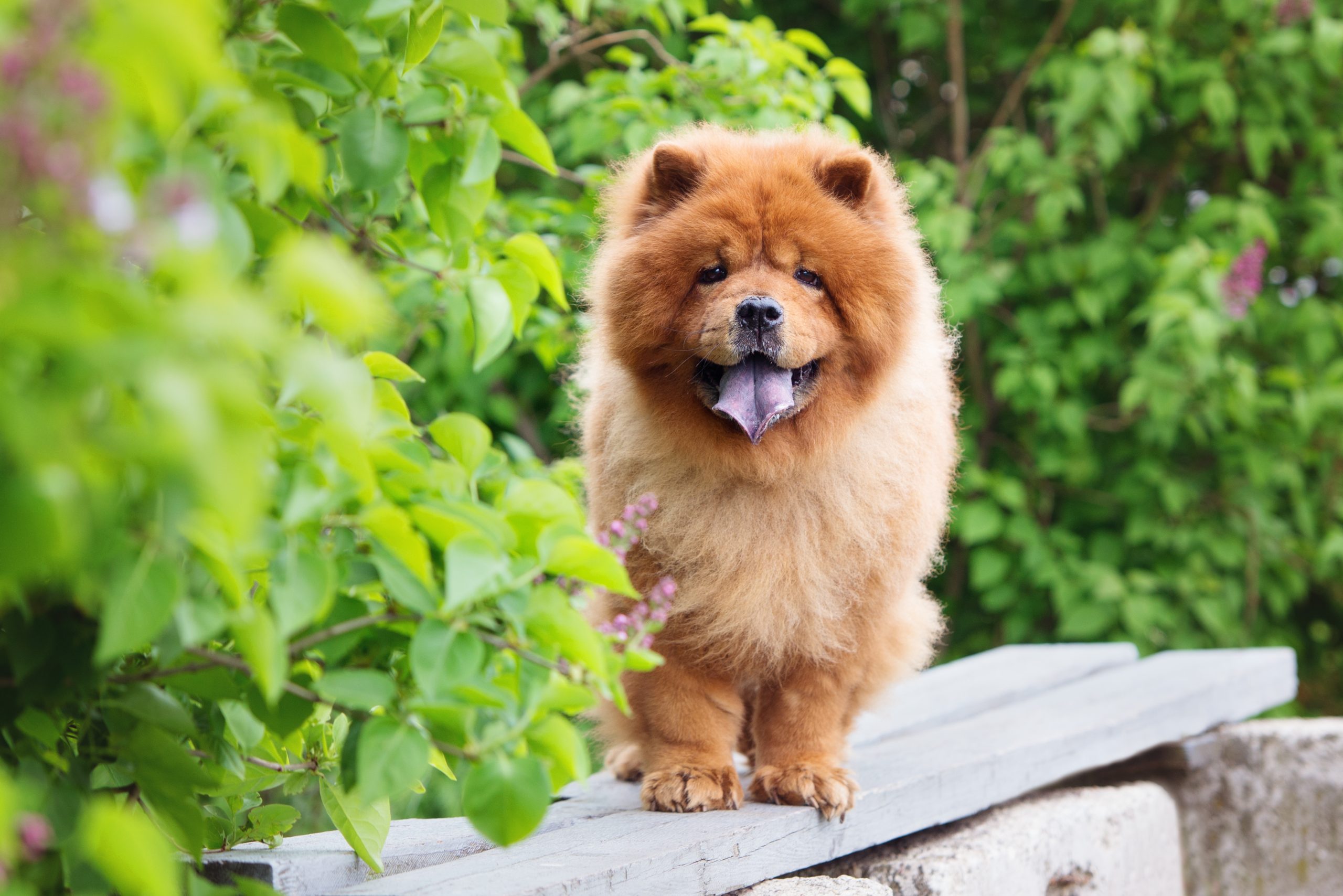
Caring for wolf type dog breeds is quite different from more domesticated breeds due to their unique needs and instincts. They require a committed owner who understands their complex nature and can provide a structured, engaging environment to thrive. Proper care involves understanding their dietary needs, exercise routines, mental stimulation, and social behavior.
First and foremost, these breeds thrive on physical activity. Their high energy levels mean daily vigorous exercise is essential. Without sufficient activity, they can become bored or destructive, as their innate instincts as working or hunting dogs drive them to explore and chase.
Additionally, their mental stimulation is equally crucial. These breeds are intelligent, which means boredom can lead to behavioral problems. Providing puzzle toys, training sessions, and interactive activities helps to keep their sharp minds engaged. Socialization from an early age is another key aspect—exposing them safely to various environments, people, and other animals ensures they develop into well-rounded companions.
Finally, grooming and health management should be tailored to their specific coat and size. Some breeds shed heavily during certain seasons, necessitating regular brushing to maintain healthy fur and minimize shedding indoors. Routine veterinary checkups, a balanced diet rich in essential nutrients, and preventative health care are vital to keeping these breeds at their best.
Building a Suitable Environment for Wolf Type Dog Breeds
Given their high energy and hunting instincts, these breeds require an environment that allows freedom of movement. A large, secure yard or access to open spaces is ideal. Confinement in small spaces or apartments without adequate outlets for their energy can lead to stress, anxiety, and unwanted behaviors such as digging or barking.
Training is another significant factor in their environment. Early and consistent training helps manage their independent streak and reinforces boundaries. The use of positive reinforcement techniques aligns well with their intelligent and responsive nature. It’s important for owners to establish themselves as confident pack leaders, as these breeds can sometimes display dominance if not properly socialized.
Creating routines and maintaining structure are also beneficial. These dogs tend to thrive when they know what to expect each day, whether that’s scheduled exercise, training time, or rest. This stability allows them to channel their natural behaviors into constructive activities, fostering a balanced and happy relationship with their owners.
The Pros and Cons of Wolf Type Dog Breeds — Weighing the Attributes
Before deciding whether to bring a wolf type dog breed into your home, understanding their advantages and potential challenges is essential. These breeds offer unique qualities but also require specific commitments from their owners.
The appealing aspects of these breeds include their intelligence, loyalty to their family, and striking appearance. They often form strong bonds with their owners and can be excellent protectors due to their alertness and territorial nature. Their stamina and physical prowess make them suitable for active individuals or families who enjoy outdoor activities.
However, potential drawbacks include their strong prey drives, independent nature, and sometimes aloof demeanor with strangers. Their wild heritage can make training difficult for inexperienced owners, requiring patience, consistency, and often professional guidance. Additionally, their health concerns, such as hip dysplasia or specific genetic conditions, necessitate regular vet checkups and responsible breeding.
In terms of social compatibility, they might not be suitable for families with small children or other pets unless properly socialized from an early age. Their territorial instincts can result in aggressive behaviors if not managed correctly, requiring owners to invest time and effort in training and socialization.
Strengths and Weaknesses of Wolf Type Dog Breeds
The strengths of these breeds lie in their physical resilience, protective instincts, and their capacity to serve as working dogs or companion animals for experienced owners. They tend to excel in activities that match their stamina and intelligence—such as agility, protection training, or endurance sports.
Conversely, their weaknesses include their potential for high barking, escapism tendencies, and difficulty in adapting to urban living situations. These traits often stem from their hunting and territorial instincts, making them less suitable for apartment life or inexperienced dog owners. The necessity for ongoing training, socialization, and environment management underscore the demands of these breeds.
In summary, wolf type dog breeds are a compelling choice for dedicated individuals who seek a canine companion with a connection to the wild and value active, engaging lifestyles. Understanding both their benefits and inherent challenges is key to fostering a healthy, fulfilling relationship with these remarkable dogs.
Alternatives to Wolf Type Dog Breeds — Exploring Similar Companions
If owning a wolf type dog breed sounds exciting but also comes with concerns about their wild traits, several alternative breeds might suit different lifestyles. These breeds may not have the exact appearance but can offer similar levels of intelligence, activity, or a wolf-like aesthetic without some of the complexities.
Breeds like the Belgian Malinois or the German Shepherd share many traits with wolf-influenced breeds but tend to be more adaptable and easier for less experienced owners. They have strong protective instincts, high intelligence, and require ample exercise, making them suitable for active households. Unlike some pure wolf breeds, they are generally more manageable and have well-established training protocols.
Another option is the Finnish Lapphund or the Shiba Inu, which feature wolf-like looks but possess more manageable temperaments. These breeds can be excellent companions for families or individuals who want a striking appearance without the intense independence or territorial behavior.
Ultimately, choosing an alternative depends on the owner’s experience level, living situation, and the specific traits they value most. Consulting with breeders or rescue organizations specializing in these breeds can provide valuable insights and help match the right canine companion to your lifestyle.
Matching Lifestyle and Expectations with Appropriate Breeds
Selecting a suitable dog involves evaluating your daily routine, activity levels, and experience as a dog owner. The breeds that resemble wolves often demand high energy, rigorous training, and socialization, which might not be feasible for everyone.
Many people prefer breeds that retain an energetic and alert nature but are easier to care for. For mountain or rural living, breeds like the Akita or the Klee Kai can mimic some wolf-like traits while offering a more compliant temperament. Urban dwellers may consider mixed breeds with wolf-like features, which can be found in shelters or rescue organizations.
In the end, aligning your lifestyle with the breed’s needs is crucial in ensuring a positive and enriching relationship. Recognizing your limitations and preferences will lead to a rewarding experience, whether with a pure wolf type breed or a more manageable alternative.
Step-by-Step Guide to Owning a Wolf Type Dog Breed — From Purchase to Daily Life
Owning a wolf type dog breed is a commitment that involves more than just providing food and shelter. It demands a structured approach to socialization, training, and ongoing care. This step-by-step guide highlights the key stages of bringing a wolf-like breed into your life and maintaining their well-being.
Begin with research and choosing a reputable breeder or rescue organization that prioritizes health and responsible breeding practices. Once you acquire your dog, focus on early socialization—exposing them to various environments, people, and other animals in a controlled and positive manner. This helps mitigate potential aggressive tendencies and builds confidence.
Training should be consistent, firm, yet positive. Establishing boundaries and reinforcing desirable behaviors from an early age set the foundation for a well-behaved companion. Remember, patience is crucial—these breeds can be stubborn but respond remarkably well when handled correctly. Incorporate mental stimulation with puzzle toys, obedience exercises, and interactive activities to challenge their minds.
Creating an environment that caters to their instincts involves providing ample space to roam, regular exercise routines, and mental engagement. Maintaining a balanced diet tailored to their size and activity level supports overall health. Routine visits to the veterinarian and preventive health measures will prolong their lifespan and improve quality of life.
Practical Tips for Successful Ownership
Maintaining a consistent routine, establishing clear boundaries, and providing leadership are critical when caring for these breeds. Regular physical activity—such as hiking, agility training, or obedience trials—channel their energy constructively. Socialization classes and early exposure to different stimuli help them develop steady temperaments.
Providing mental stimulation prevents boredom, which can lead to destructive behaviors. Training sessions should be brief, positive, and frequent, reinforcing good habits. Owners should educate themselves about the breed’s inherent traits—high prey drive, independence, and territoriality—and develop strategies accordingly.
Ultimately, investing time, patience, and knowledge ensures not only the health and happiness of the dog but also the development of a deep bond built on trust and understanding. This comprehensive approach transforms ownership into a rewarding partnership, enabling the owner to appreciate the beauty and complexity of wolf type dog breeds.
FAQs About Wolf Type Dog Breeds
What characteristics define a wolf type dog breed?
A wolf type dog breed typically exhibits physical features such as pointed ears, bushy tails, and a lean, muscular body. Behaviorally, these breeds are known for their high intelligence, independence, alertness, and strong territorial instincts. They often have a high energy level and require significant mental and physical stimulation.
Are wolf-like dog breeds suitable for families with children?
While some wolf-like breeds can be good family dogs, they are generally more suitable for experienced owners who understand their instincts and behavior. Proper socialization and training are essential to ensure they are safe around children. Due to their territorial and sometimes aloof nature, supervision during interactions is advised to prevent accidental injuries.
Can wolf type dog breeds be trained easily?
Training these breeds can be challenging for novice owners because of their independent and sometimes stubborn personalities. Consistency, patience, and positive reinforcement techniques are most effective. Early socialization and professional training can significantly improve obedience and behavior management.
Do wolf-like breeds require a special diet?
Their diet should be tailored to their size, activity level, and health needs. High-quality protein sources, balanced nutrients, and appropriate portion sizes are crucial. Some breeds may have genetic predispositions to certain health issues, so consulting a veterinarian for diet recommendations is advisable.
Are wolf type dog breeds good for urban living?
Most wolf type dog breeds thrive best in environments with ample space and outdoor access due to their high energy and need for mental stimulation. They may not adapt well to small apartment living unless owners commit to rigorous daily exercise and mental activities. Proper fencing and secure outdoor areas are essential if kept in urban settings.
Conclusion
Wolf type dog breeds embody a captivating connection to the wild, combining striking appearance with complex, intelligent behavior rooted in their ancestral lineage. They excel in active households that understand their innate traits, demanding dedicated training, socialization, and environmental management. While they offer remarkable loyalty, protection, and companionship, their high energy and behavioral demands are not suitable for every owner. Alternatives with similar aesthetic and mental qualities can serve as suitable companions for those less prepared for the challenges these breeds present. Whether choosing to welcome a wolf-like breed or opting for a more manageable companion, understanding their unique nature is critical to fostering a successful, enriching relationship based on mutual respect and shared adventure. This awareness ensures that owners are ready to meet the needs of these magnificent, wild-spirited canines and enjoy the profound bond they have to offer.
