

Dog
Exploring the Diverse World of Dogs – Types of Dogs in Australia

Apr
Australia is known for its unique environment, vibrant culture, and a diverse range of dog breeds that cater to different lifestyles and preferences. From energetic herding breeds to affectionate lap dogs, the types of dogs in Australia are as varied as the landscapes themselves. Whether you’re a seasoned dog owner or considering a canine companion for the first time, understanding the different types of dogs in Australia can help you make an informed decision that aligns with your lifestyle, climate, and personal needs.
This comprehensive guide will cover the main categories, characteristics, pros and cons, and practical tips for choosing the perfect dog among the many types of dogs in Australia. Let’s dive into this fascinating canine world and discover how to find the right furry friend for you.
Who Types of Dogs in Australia
Australia’s love for dogs is deeply rooted in its history and culture. Its diverse climate ranges from tropical rainforests to arid deserts, influencing the popularity and suitability of different breeds. The country boasts a wide array of dog types, including Aboriginal breeds, imported purebreds, and crossbreeds adapted to local environments.
Many Australians prefer breeds that are adaptable, resilient, and suited for outdoor activities due to the outdoor lifestyle many lead. With an increasing focus on training, health, and socialization, certain breeds become more popular than others. Additionally, the large number of rescue organizations in Australia fosters an environment where mixed breeds also thrive.
Understanding the range of types of dogs in Australia helps prospective owners choose a breed that matches their living conditions and activity levels. From the loyal and intelligent Australian Shepherd to the compact and friendly French Bulldog, there’s a perfect match for everyone.
How to Identify and Choose the Right Types of Dogs in Australia
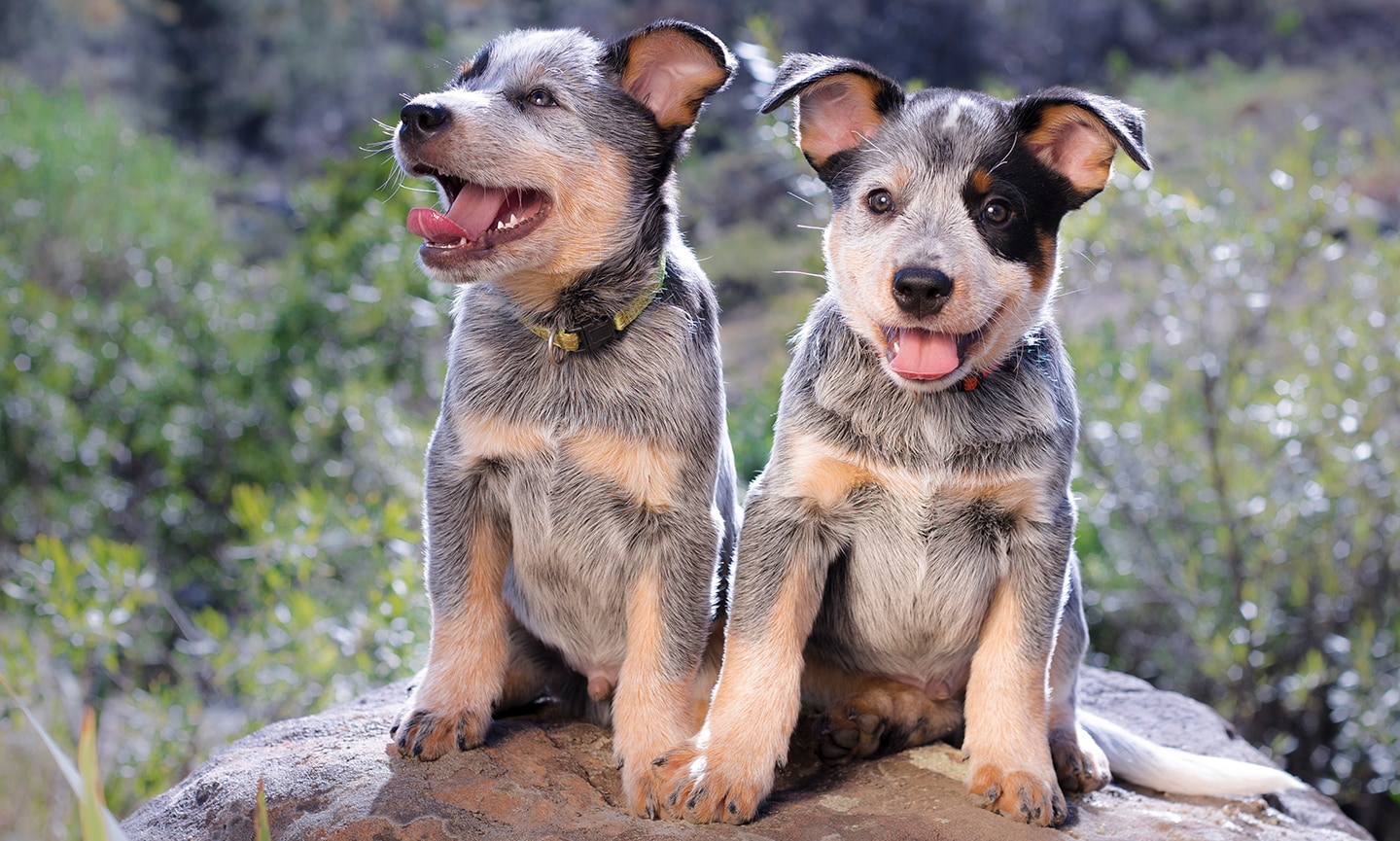
Selecting the right type of dog involves a combination of understanding breed characteristics, assessing your environment, and knowing your lifestyle. Australian dog enthusiasts often emphasize the importance of researching breeds to balance temperament, size, energy levels, and grooming needs.
Before acquiring or adopting a dog, prospective owners should consider several factors, including their daily schedule, size restrictions, activity level, and even climate conditions. This process ensures you find a compatible breed that will thrive in your environment and bring joy to your life.
Researching local breed availability and consulting with breeders or rescue organizations can significantly aid in making an informed decision. It’s also crucial to meet the dog beforehand, especially if adopting, to see how it interacts with you and your family. Remember, the right dog is not only about appearance but also about shared compatibility and long-term happiness.
Pros and Cons of the Most Popular Types of Dogs in Australia
Australian dog owners appreciate certain breeds for their adaptability, loyalty, and suitability for local lifestyles. However, each breed also comes with its own set of challenges. Understanding the pros and cons of popular breeds provides clarity for prospective owners.
For example, the Australian Kelpie is highly prized in rural and working environments due to its intelligence and agility. Yet, it requires a lot of mental stimulation and physical exercise. Conversely, smaller breeds like the Cavalier King Charles Spaniel are well-suited for apartment living but may demand more grooming and regular vet visits.
Recognizing these factors helps in making a balanced decision. For breeds like the Border Collie, their extraordinary intelligence makes them excellent working dogs but can lead to behavioral issues if not sufficiently engaged. On the other hand, the smaller and calmer French Bulldog is easier to maintain but might struggle in hot weather, which is common in Australia.
This section aims to shed light on the nuanced advantages and difficulties of various breeds, guiding owners to choose breeds that align with their capacity and environment.
Alternatives to Traditional Dog Breeds in Australia
In recent years, alternative options to traditional purebred dogs have gained popularity among Australians. These include mixed breeds, rescue dogs, and hybrid breeds that often offer excellent companionship and health benefits. Many owners find that adopting a mixed breed or rescue dog not only helps reduce pet overpopulation but also provides a loving home to a dog in need.
Additionally, there are breed-specific rescue groups across Australia dedicated to rehoming dogs of particular types. Meanwhile, some owners opt to consider less common or emerging breeds such as Australian Kelpies or Australian Shepherd mixes, which bring unique traits suited to outdoor lifestyles and active families.
Choosing alternatives like these can be a rewarding experience, combining the joy of dog ownership with compassion and social responsibility. Whether you’re looking for an energetic working companion or a calm lapdog, exploring options beyond traditional breeds can broaden your perspectives and find you a perfect furry friend suited to your Australian lifestyle.
Step-by-step Guide to Choosing Your Dog in Australia
Picking the ideal dog involves a structured process designed to match your needs with a suitable breed. This step-by-step approach begins with self-assessment, followed by research, and ends with a thoughtful decision.
First, evaluate your daily routine, living space, and activity levels. For instance, a single apartment dweller with a busy schedule may prefer a smaller, lower-energy breed. On the other hand, a family with backyard space and outdoor pursuits might seek a larger, active breed like an Australian Shepherd or Kelpie.
Second, research breeds that fit your criteria. Consider factors like grooming needs, temperament, lifespan, and health risks. Visiting local shelters, breeders, or rescue organizations enables you to see potential dogs firsthand and assess their behavior.
The third step involves consulting with professionals—veterinarians, trainers, and experienced owners. They can provide insights and personalized advice to fine-tune your choice. Once you find a compatible dog, ensure your home is prepared with the necessary supplies and a plan for training and socialization.
Following these steps can significantly increase the chances of forming a lasting and harmonious bond with your new dog.
Tips for Caring for Different Types of Dogs in Australia
Caring for a diverse range of dog breeds in Australia requires understanding specific needs and adapting your routine accordingly. Temperatures, climate, and lifestyle influence how you should approach grooming, nutrition, training, and health.
For dogs like the Australian Kelpie or Border Collie, high energy and mental stimulation are vital. Regular exercise, training sessions, and engaging activities like agility or herding are necessary to prevent boredom and destructive behaviors. In contrast, smaller or older breeds may require less strenuous exercise but more gentle grooming and regular health checks.
Grooming varies across breeds; for instance, long-haired breeds such as the Afghan Hound need frequent brushing, while short-haired breeds require less maintenance. Nutritional needs also differ, with active breeds requiring higher-calorie diets, especially during growth or working seasons.
Lastly, understanding the health risks particular to certain breeds, such as respiratory issues in brachycephalic breeds or joint problems in larger dogs, enables you to provide preventive care. Pets in Australia are also exposed to specific challenges like heat stress; thus, providing shade, water, and avoiding peak heat hours is crucial.
With attentive care tailored to your dog’s breed and environment, your dog will thrive as a happy and healthy family member.
FAQs About Types of Dogs in Australia
What are the most popular dog breeds in Australia?
The most popular dog breeds in Australia include the Labrador Retriever, Staffordshire Bull Terrier, Border Collie, Cavalier King Charles Spaniel, and the Australian Kelpie. These breeds are favored for their friendly nature, intelligence, and adaptability to outdoor and family environments.
Are there any native Australian dog breeds?
Yes, Australia has indigenous dog breeds such as the Australian Stumpy Tail Cattle Dog and the Australian Kelpie. These breeds have a long history of herding and working with livestock across the Australian landscape.
What factors should I consider when choosing a dog in Australia?
When choosing a dog in Australia, important factors include your living space, activity level, climate, grooming needs, and whether the breed suits your lifestyle. Resilience to heat and ability to handle outdoor activities are also key considerations due to Australia’s diverse climate.
Can I adopt mixed breeds or rescue dogs in Australia?
Absolutely. Australia has a robust network of shelters and rescue groups offering mixed breeds and purebred dogs in need of homes. Adopting a rescue dog can be a gratifying experience and contribute positively to reducing stray and abandoned animals.
What is the average lifespan of popular Australian breeds?
The lifespan of popular Australian breeds varies but generally ranges from 10 to 15 years. Smaller breeds tend to live longer than larger breeds. Regular veterinary care, a balanced diet, and proper exercise can help maximize your dog’s lifespan.
Conclusion
The rich tapestry of types of dogs in Australia reflects the country’s diverse landscapes, culture, and outdoor lifestyle. From highly energetic herding breeds like Kelpies and Border Collies to affectionate small breeds suited for urban living, Australia offers a wide array of choices for dog lovers. Selecting the right dog involves careful assessment of your environment, lifestyle, and the breed’s specific needs. Considering the pros and cons of each type, exploring alternatives like rescue dogs, and following a systematic approach to choosing your furry friend can lead to a rewarding companionship. Proper care, tailored to the breed’s characteristics, ensures a healthy, happy, and fulfilling relationship. Whether you prefer a rugged working dog or a cozy lapdog, understanding the different types of dogs in Australia helps you find a lifelong friend ready to adapt to your Australian lifestyle.
